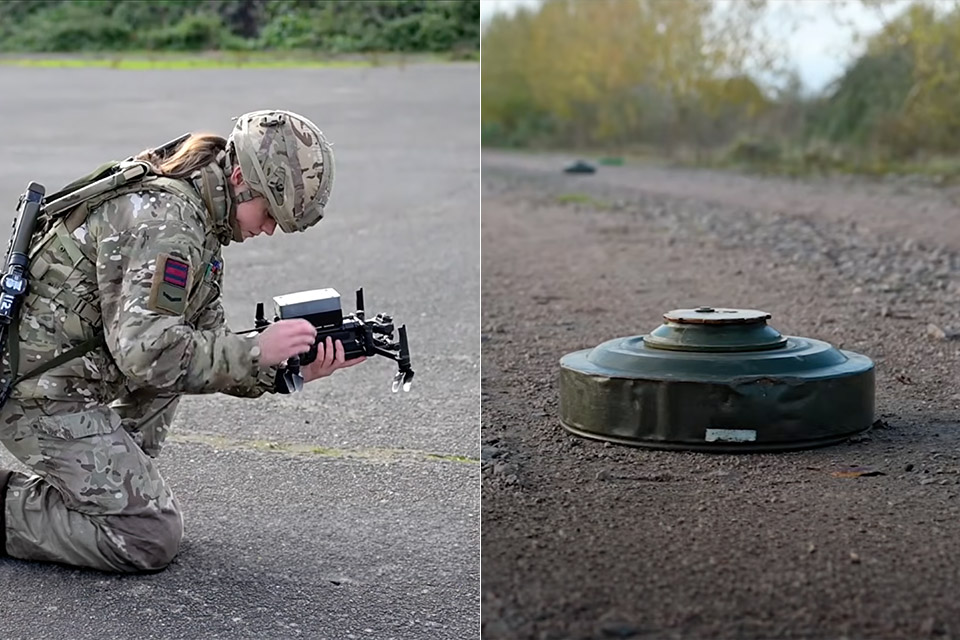
Landmines and unexploded shells transform tracts of terrain into silent time bombs, slowing armies and claiming lives long after the conflict has ended. The British have begun employing small drones to undertake reconnaissance work for them first, allowing the computer to identify the threats so that soldiers can stay back and complete the job more quickly.
Small quadcopters take to the air, flying low over rugged terrain while carrying a host of sensors that detect a variety of things. A typical camera captures what it can see on the surface, whereas heat-sensitive gear detects minor temperature variations that indicate something is buried beneath your feet. Metal detectors detect even minute pieces of metal inside hidden gadgets, while infrared technology cuts through dust and poor lighting. All of that information is streamed back in real time to the operators, who remain securely out of reach.

- Due to platform compatibility issue, the DJI Fly app has been removed from Google Play. DJI Neo must be activated in the DJI Fly App, to ensure a...
- Lightweight and Regulation Friendly - At just 135g, this drone with camera for adults 4K may be even lighter than your phone and does not require FAA...
- Palm Takeoff & Landing, Go Controller-Free [1] - Neo takes off from your hand with just a push of a button. The safe and easy operation of this drone...
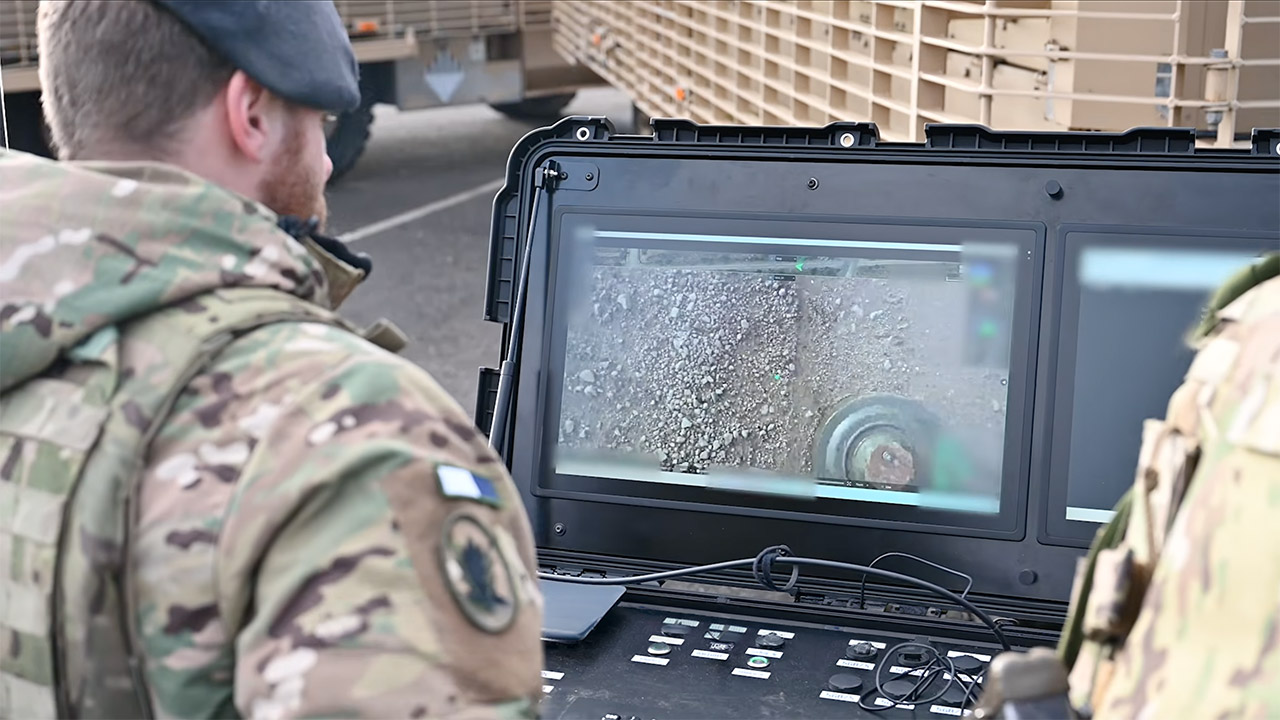
Once the data begins to flow in, the computer takes over. So the computer vision software examines each frame, determines whether it is looking at a mine or a piece of ordnance, sorts them apart, and marks the exact location on the map, and if the operators send over a new image of something they discovered in the field, the computer can update itself in minutes rather than weeks. That is what makes a difference when the opposition continues modifying what they are laying down.
A recent trial lasted many weeks at the Essex base of the 33 Engineer Regiment, the Army unit in charge of disposing of explosive devices. They set up a variety of dummy mines and shells in open fields, woodlands, and other terrain to simulate what you could find in the field. The drones flew around several times, the sensors recorded all of the data, and the computer program accurately identified and located almost everything they put out there. The soldiers watching the screens saw dangers appear as distinct marks before anyone entered the area.
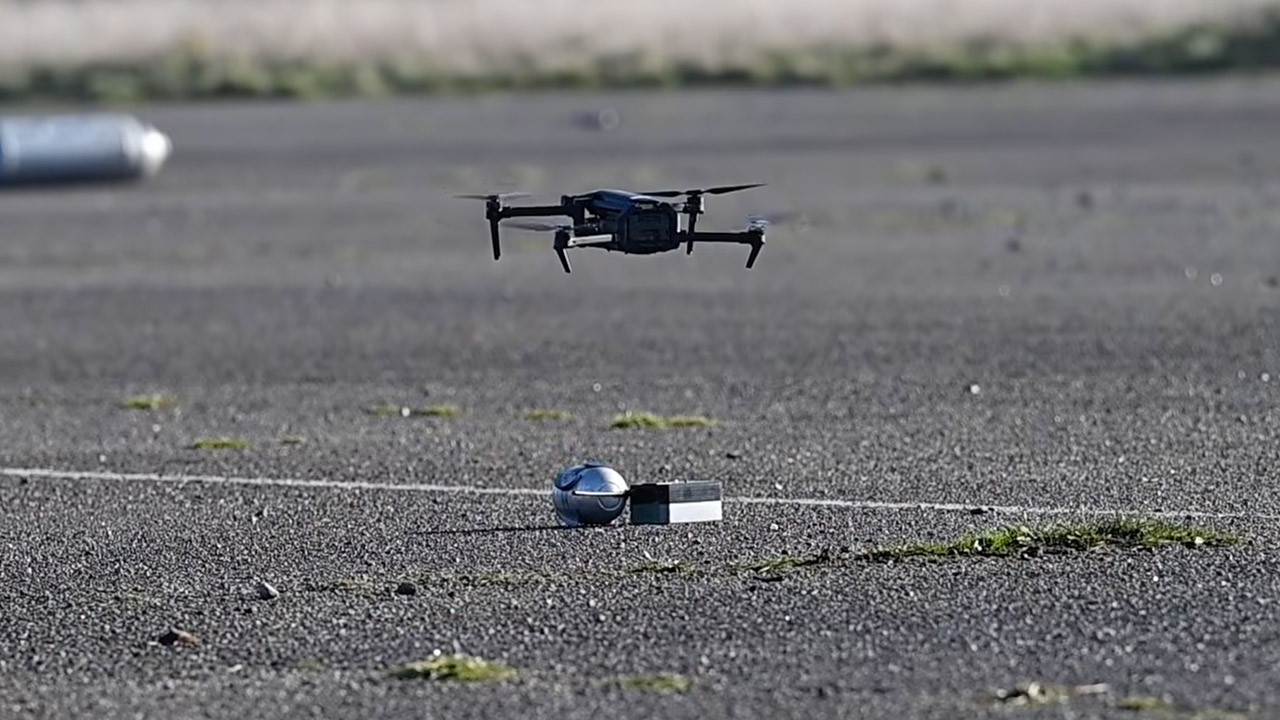
The Army developed Project GARA (Ground Area Reconnaissance and Assurance) to assist with the Army’s Future Counter-Explosive Ordnance Capabilities. The premise remains the same: cover a large area quickly, assess the dangers, and then delegate the rest to a robot or a remote tool to handle, while human teams will only intervene once all of the worst places have been identified and prioritized.
Major Mark Fetters, commander of the Future Counter-Explosive Ordnance Capability initiative, puts it plainly. The modern battlefield is rife with explosive devices. This type of technology allows disposal personnel to do their tasks more quickly while keeping people safe. He also said that as sensors become smaller and more efficient, even smaller drones would be able to provide the same punch, allowing teams to continue moving forward.
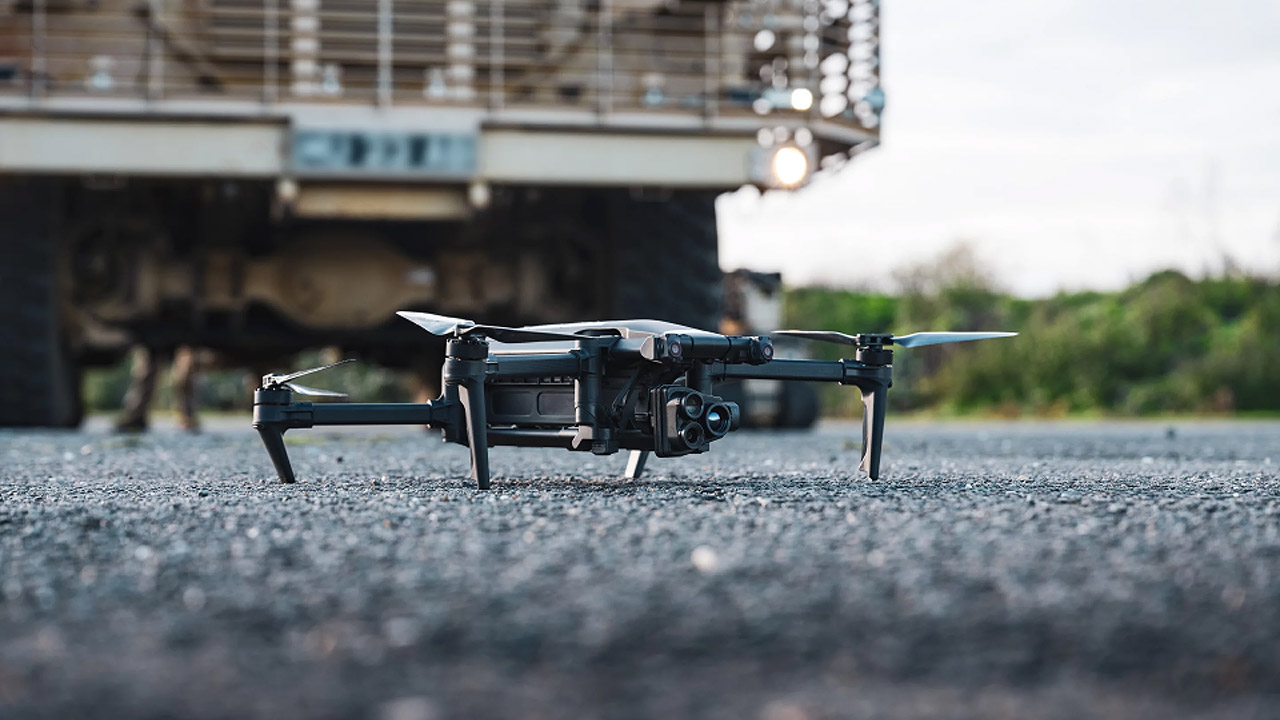
The Defence Science and Technology Laboratory conducted the trial with the regiment. They collaborated with a variety of providers to ensure that all of the components, including the sensors, flight systems, and software, worked together seamlessly under real-world situations. According to one of the lab’s top technicians, the risks are constantly changing, so the equipment must stay up as well. The team conducts tests, refines procedures, and displays the results so that forces may stay ahead of the competition on today’s battlefield.
[Source]