
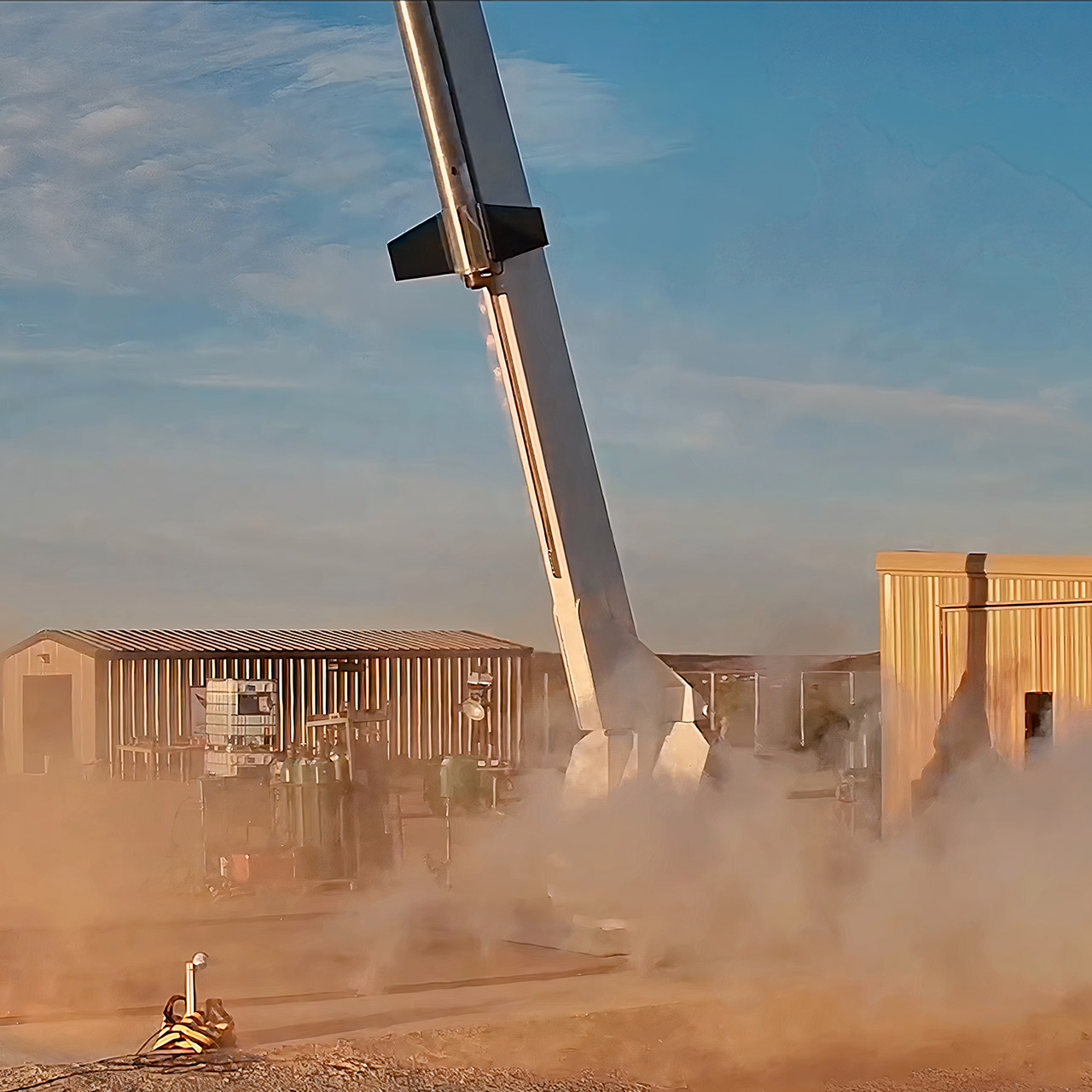
On a crisp morning (May 14) at Spaceport America in New Mexico, Houston-based startup Venus Aerospace made history, by conducting the first U.S. flight test of its Rotating Detonation Rocket Engine (RDRE). This propulsion breakthrough aims to transform high-speed travel, enabling flights from Los Angeles to Tokyo in under two hours.
Unlike conventional rocket engines that depend on steady, continuous fuel combustion, Venus Aerospace’s RDRE operates on a radically different principle. RDREs, by contrast, harness supersonic shockwaves—detonations—that generate more power with less fuel. This efficiency could make hypersonic flight, speeds exceeding Mach 5 (five times the speed of sound), not just possible but practical.

Creality K1 SE 3D Printer, with 600 mm/s Printing Speed CoreXY Auto Leveling and Z-Offset...
- Speedy with CoreXY and Easy to Start: K1 SE inherits the lightweight and agile CoreXY system of the K series. It offers a thrilling max printing speed...
- Auto Leveling and Z-offset: Creality K1 SE 3d printer, its auto-calibration gets everything ready, with one tap. Bid farewell to the frustrating...
- Flagship Extrusion Kit and 60 Watt Hotend: K1 SE uses the same extruder as K1C, it feeds the filament precisely without any slacking. The extruder...
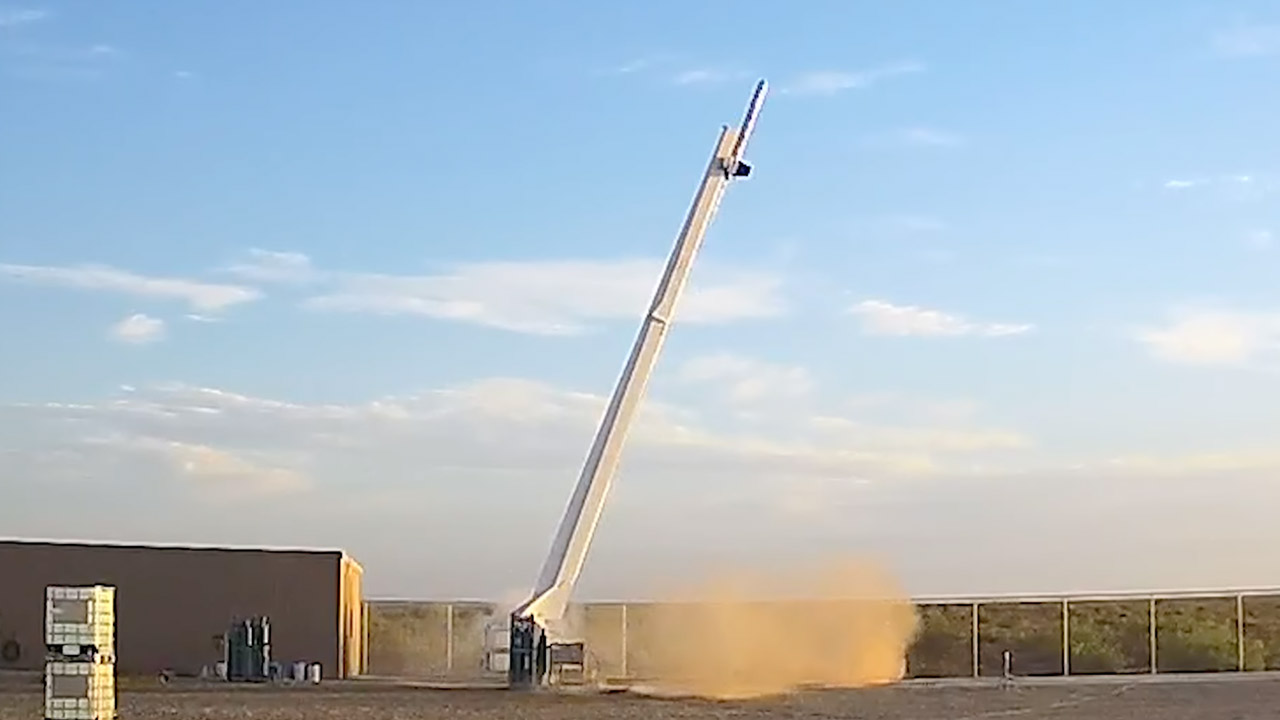
“We’ve built an engine that not only runs, but runs reliably and efficiently—and that’s what makes it scalable,” said Andrew Duggleby, Venus’s Chief Technology Officer. The engine’s compact design and high thrust output are engineered to work alongside Venus’s VDR2 air-breathing detonation ramjet, enabling aircraft to take off from conventional runways and cruise at speeds up to Mach 6 without bulky rocket boosters.
This test marked the first time an RDRE has flown in the United States, and possibly the world. “No other company or country has come close to this level of performance,” Duggleby noted, highlighting the engine’s ability to burn for seven seconds during the flight, reaching higher altitudes than a previous Polish test.
“This milestone proves our engine works outside the lab, under real flight conditions,” Duggleby emphasized. Venus’s team meticulously planned the demonstration to integrate the RDRE with NASA-supported technology, a nod to their collaboration with federal agencies to push hypersonic innovation.
Sassie Duggleby, CEO and co-founder, underscored the broader vision: “By proving this engine works beyond the lab, Venus brings the world closer to a future where hypersonic travel—traversing the globe in under two hours—becomes possible.” The company’s ultimate goal is the Stargazer M4, a reusable Mach 4 passenger aircraft that could transform commercial aviation.
The hypersonics market is expected to exceed $12 billion by 2030, fueled by defense, aerospace, and commercial demand, with Venus Aerospace’s RDRE offering a scalable, cost-effective solution for both military as well as civilian use. For the Pentagon, the engine’s efficiency enables longer-range missiles and aircraft, while commercial aviation could see ultra-fast travel without specialized infrastructure. “This is the foundation we need that, combined with a ramjet, completes the system from takeoff to sustained hypersonic flight,” Andrew Duggleby stated.
[Source]