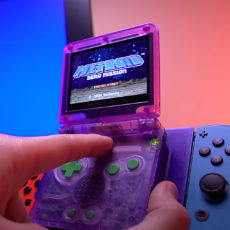
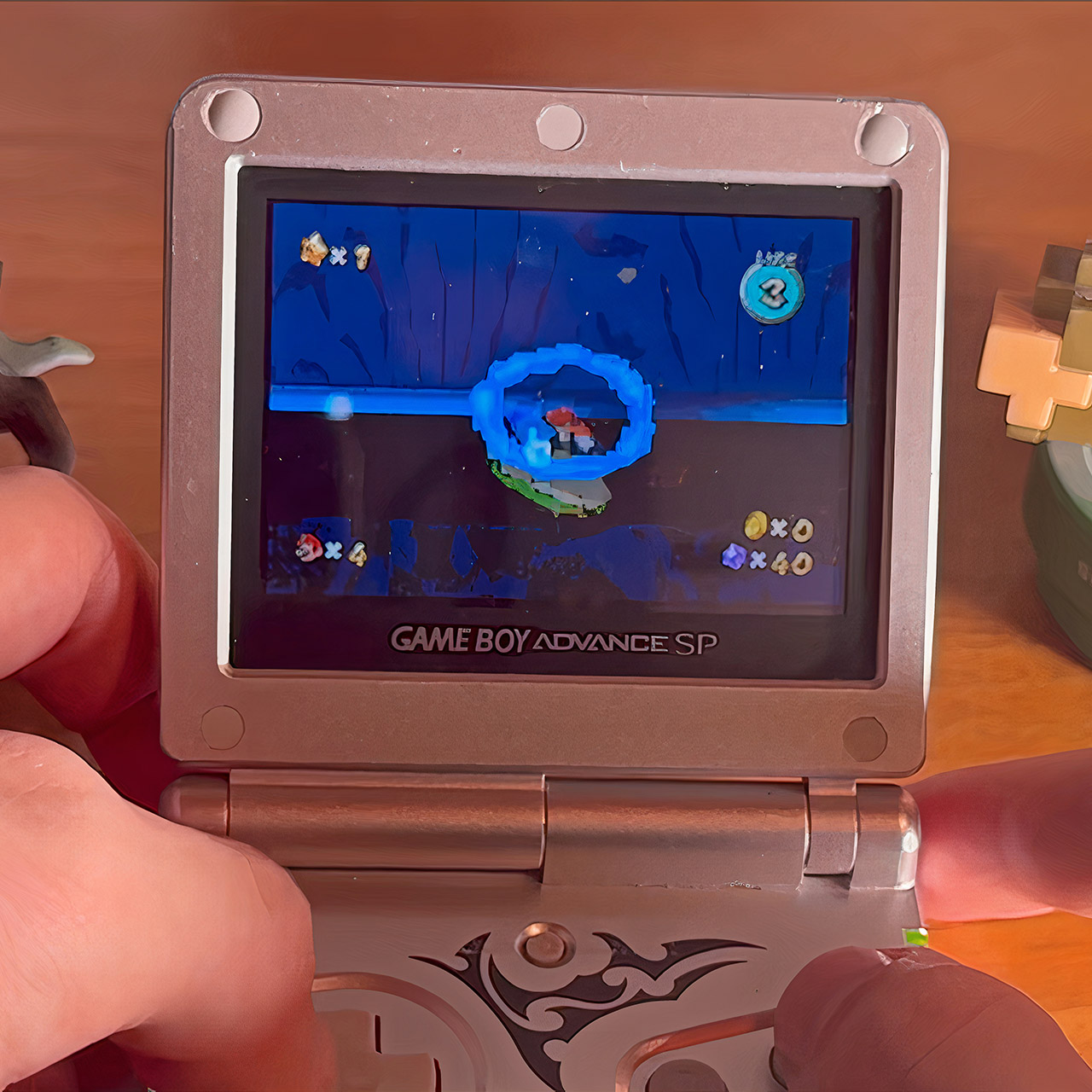
Tobias Friedly, known online as Game of Tobi, has put the source code for his Super Mario Galaxy Game Boy Advance port on GitHub after months of work that started as an ambitious side project. Players who supply their own legal USA Wii ISO can now build a ROM that runs the full movement system, planetary gravity, camera behavior, and a substantial amount of the original game on hardware that first shipped in 2001.
Movement feels like a continuous flow rather than a succession of steps. Mario handles small planets and larger bodies in the same way he does on the Wii, and the camera pans to keep the view from becoming cluttered on the little screen. There are domes, galaxy selection, sub-levels, and a variety of baddies and bosses. The power-ups you’ll be using include the Fire Flower, Ice Flower, and Bee suit, so you won’t have to skip any of the levels that require those unique transformations. Despite the fact that the GBA has many less buttons than the Wii remote, the star pointer is also mapped.

- BUILD AN ICON – Build the ultimate retro gaming display with the LEGO Game Boy (72046) model kit for adults ages 18 and up
- RELIVE THE EXCITEMENT – Remember powering up your Game Boy for the first time? Experience the thrill again with this authentic of the handheld...
- DISCOVER AUTHENTIC DETAILS – The instantly-recognizable Game Boy features classic button layout, contrast dial, and interchangeable Game Pak and...
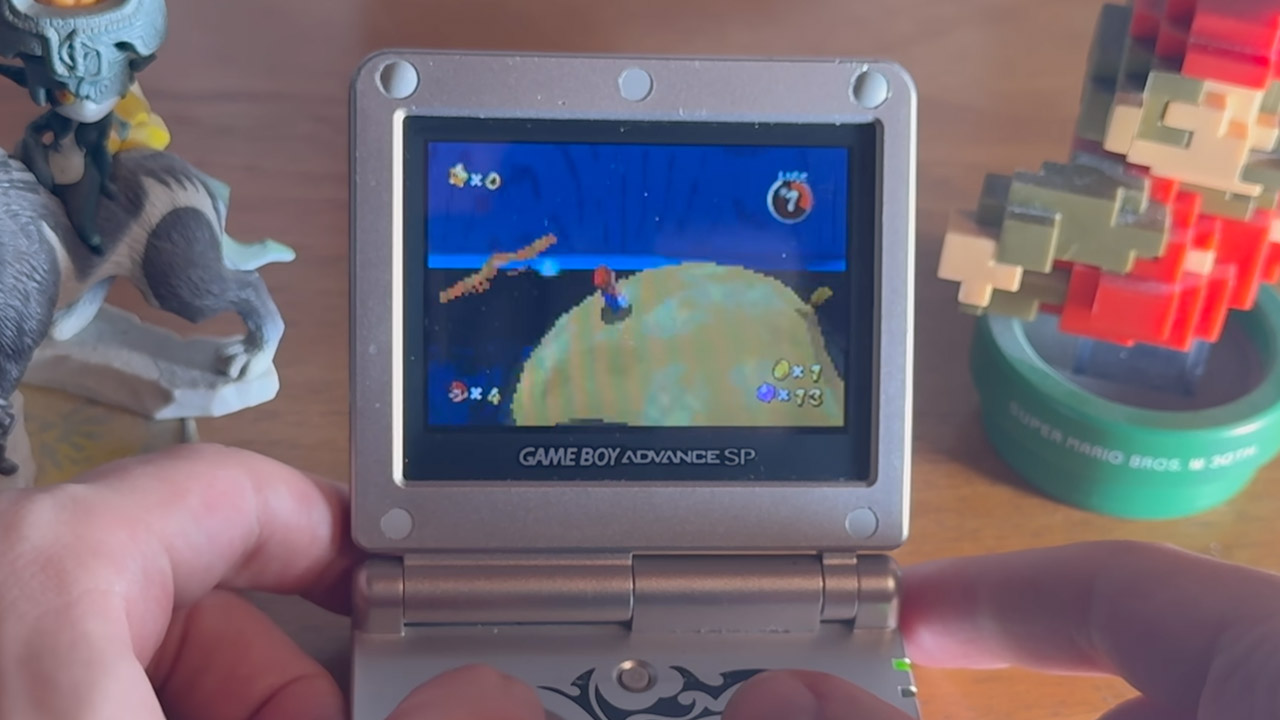
You can switch from D-pad to pointer control by holding both L and R down at the same time, and the rail portions allow the pointer to move independently of the D-pad. Star bits near Mario on the ground are collected automatically, removing the need to aim precisely for every one. Pull stars activate as you get close enough to the correct location, or you can select them manually using L and R if the context is less obvious. Friedly feels there is certainly potential for development, but the current mapping is adequate for the majority of platforming and gathering tasks.
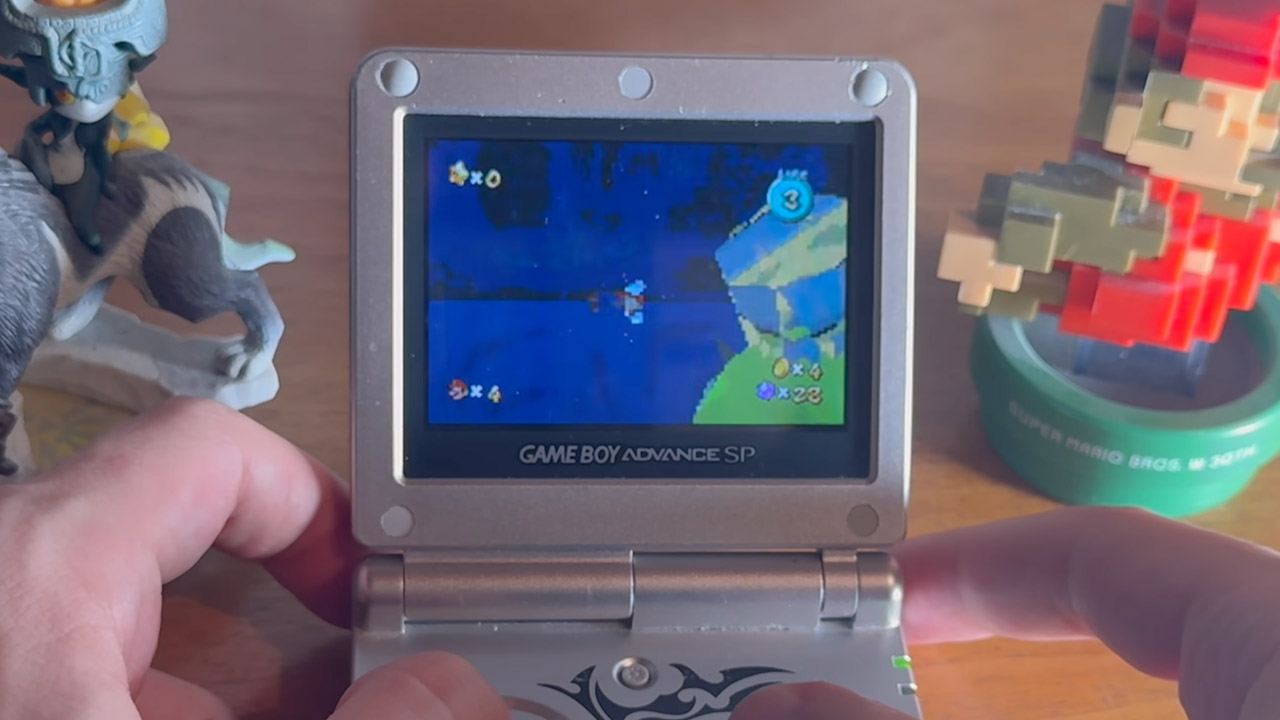
The engine starts with Joshua Barretto’s work on Mario 64 for the GBA, and then incorporates ideas developed by Friedly for his own 3D engine, which he used for Hopper Island. Drawing triangles with the triangle function is much faster now, and the far-off planets become less detailed, allowing those large open expanses to remain on screen without lowering the frame rate. A lot of the original logic for things like gravity, objects, and level flow came from the Petari Super Mario Galaxy decompilation, which saved a lot of time. The original models were carefully trimmed down because even the lowest detail versions required too many triangles for the handheld to handle. Scripts to rebuild those slimmed-down versions are run on the user’s own disk data during the compile process, therefore the repository does not contain any Nintendo content.
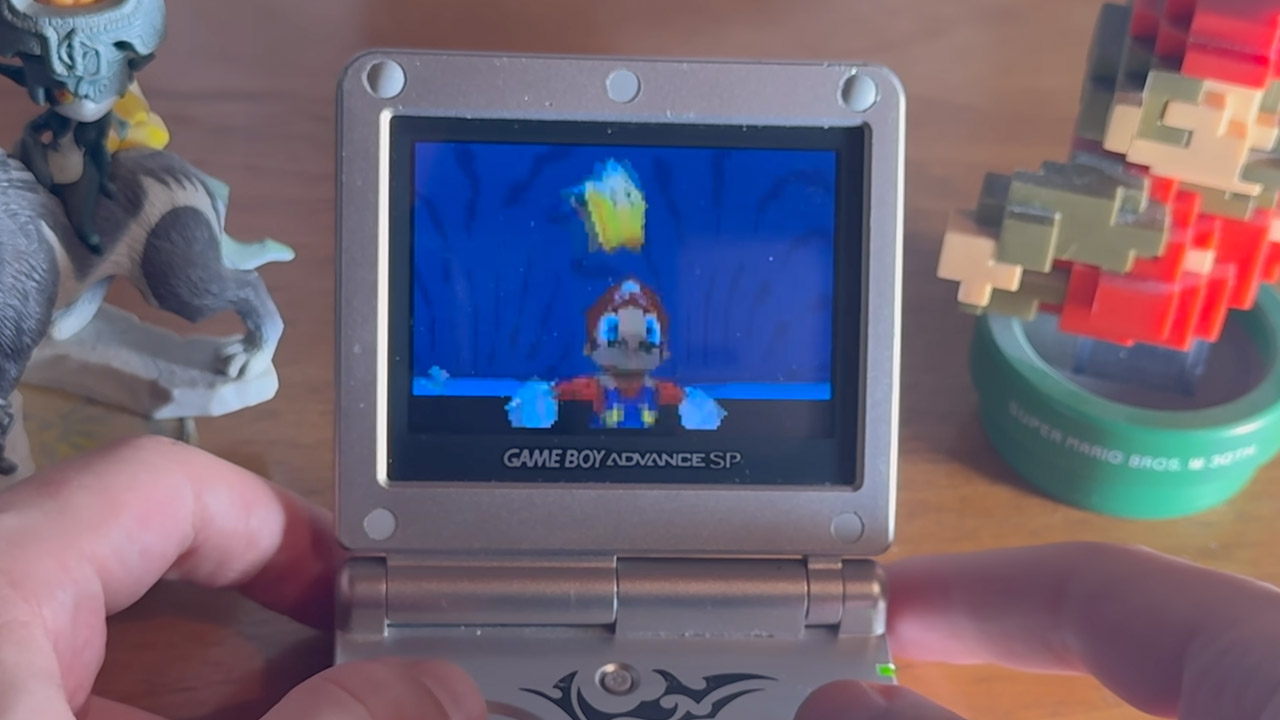
Building requires a USA Super Mario Galaxy ISO renamed to baserom_us.iso, the devkitPro toolchain, and a single make command. Instructions cover macOS, Windows through WSL, and Ubuntu or Debian. The first compile takes several minutes while tools unpack the disc, verify files, and generate the optimized models, textures, and audio. Friedly tested only the USA release, so other regions are unconfirmed. Audio is included and plays a large part in making the result feel closer to the original than a silent technical demo.
[Source]