Recent Apple products had begun to show more consideration for later repairs, from simpler battery swaps on certain iPads to cleaner openings on the second-generation HomePod. HomeView arrived looking like a natural next step, a seven-inch display paired with a speaker base for smart home control at a $299 price. Expectations ran high among the iFixit team. Reality turned out far harsher. By the time the device came fully apart, technicians had ripped a connector, snapped a speaker clean in two, and applied more force to the logic board than anyone on the bench wanted to risk.
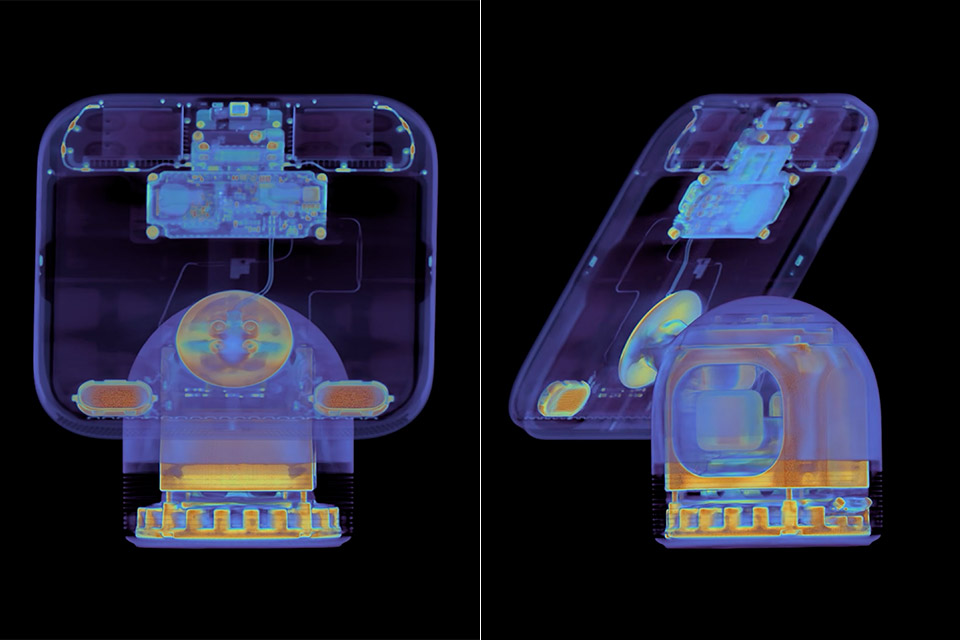
Freeing the display from its enclosure was a difficult task that took hours of heating. The aluminum casing was shedding heat far too quickly for the adhesive to ever properly dissolve, but even when it did, the bond proved to be far stronger than any other Apple product we’d opened recently. Behind the glass, the speakers just dominate the space, leaving the logic board crammed right back in. And this board carries an A18 system processor situated underneath a big 8GB of SK Hynix memory and a 64GB Kioxia storage chip, all of which is soldered in place permanently.

- DESIGNED FOR LIFE AT HOME—Apple HomeView (Wall Mounted) keeps the whole home connected, entertained, and in the know. All in one place.
- WALL MOUNTED—The wall-mounted option brings the Apple HomeView experience into places like the entrance or the hallway. Compatible wall mounts sold...
- UP TO SIX USERS—Apple HomeView (Wall Mounted) can recognize the faces and voices of up to six people and seamlessly switch between them, delivering...
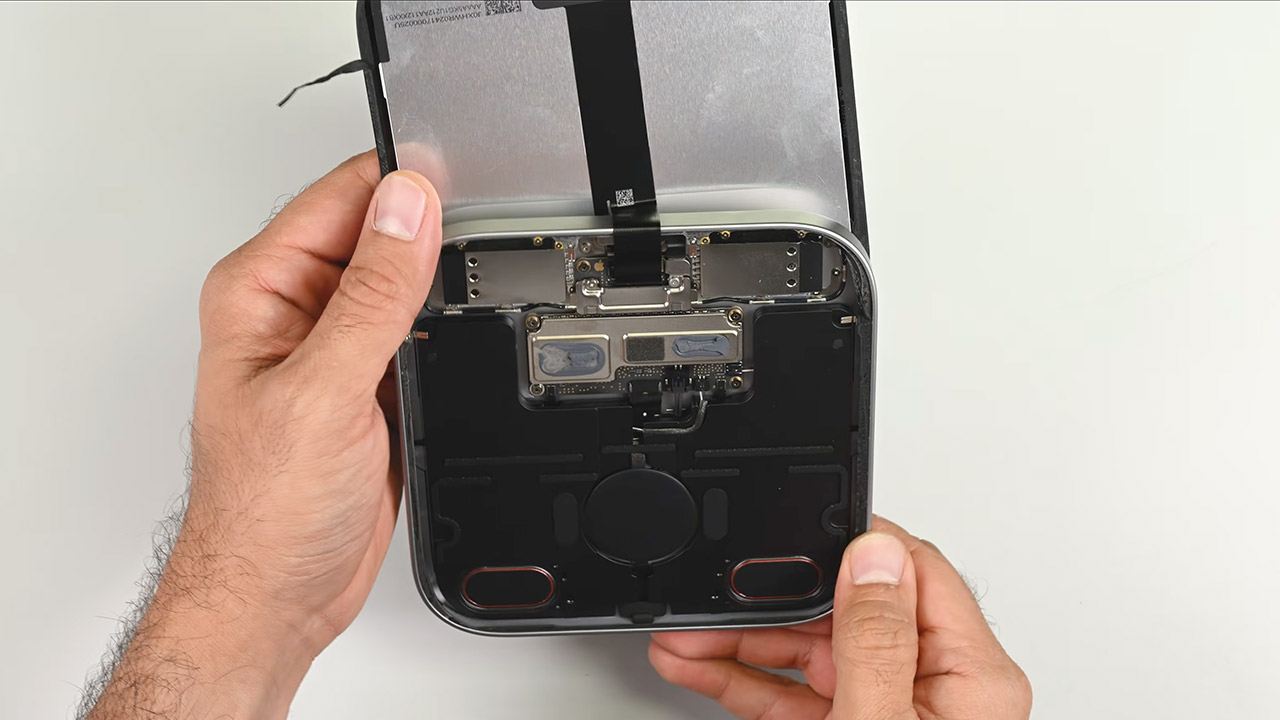
Apple chose to make the whole aluminum enclosure serve as a heat sink. A shield clipped to the logic board bonds directly into the chassis with thermal material and adhesive, so lifting the board became a remarkably risky step that required uncomfortable levels of force on a thin circuit. Those speakers are securely fastened in place with large adhesive pads. He tried soaking one in isopropyl alcohol until the extra liquid poured straight out, but even then, a metal pry tool bent and the speaker cracked due to its fragility. The speaker connectors are in fragile plastic shells that appear to be permanently bonded in place, and even after scraping, heating, and carefully cutting along the seams, the leads would not come loose. Then there’s the strangeness of screw kinds, with a Phillips on one side of a bracket and a Torx on the other, requiring you to constantly shift tools.
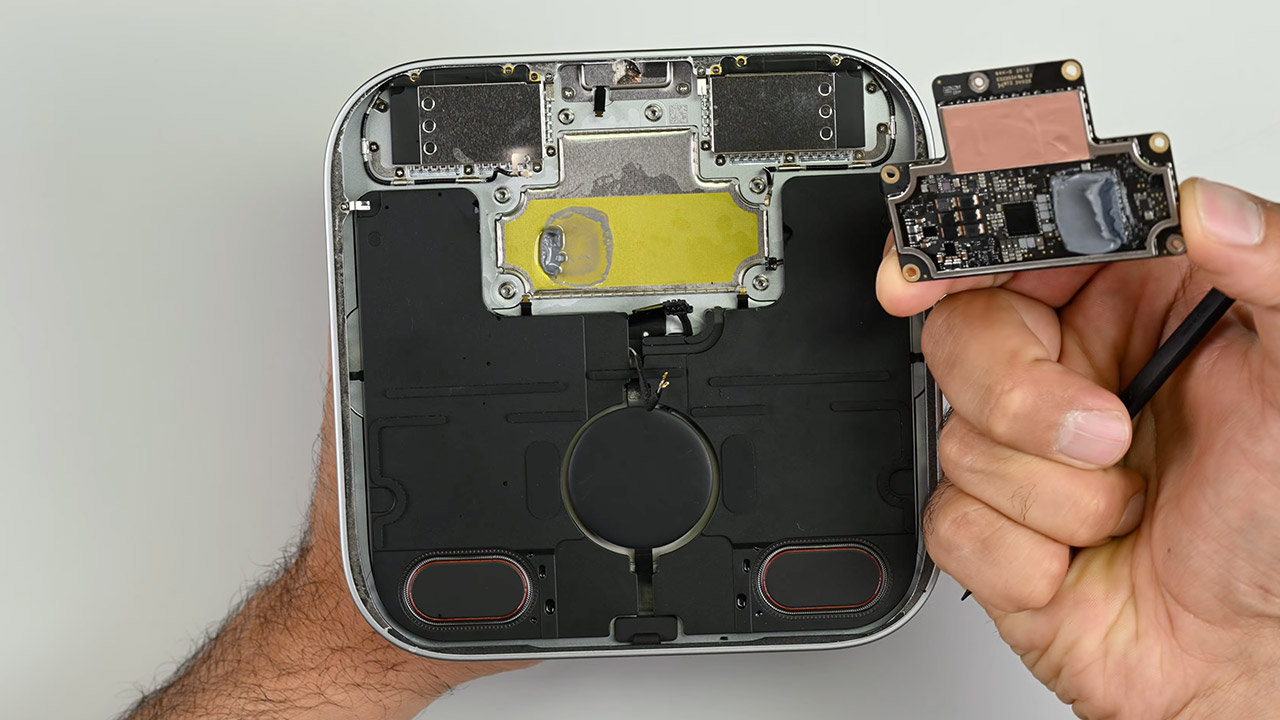
HomeView is available in two configurations at retailers. There’s a tabletop version with larger speakers behind the display and a circular pivot mount. Then there’s the wall-mounted one, which has smaller drivers, a broader logic board with some capacitors put in the base of the other model, and a few extra magnets for installation, but none of the pieces appear to be interchangeable. Both variants cost $299, but the wall version requires a separate mounting kit, so you spend more but get less sound out of it.
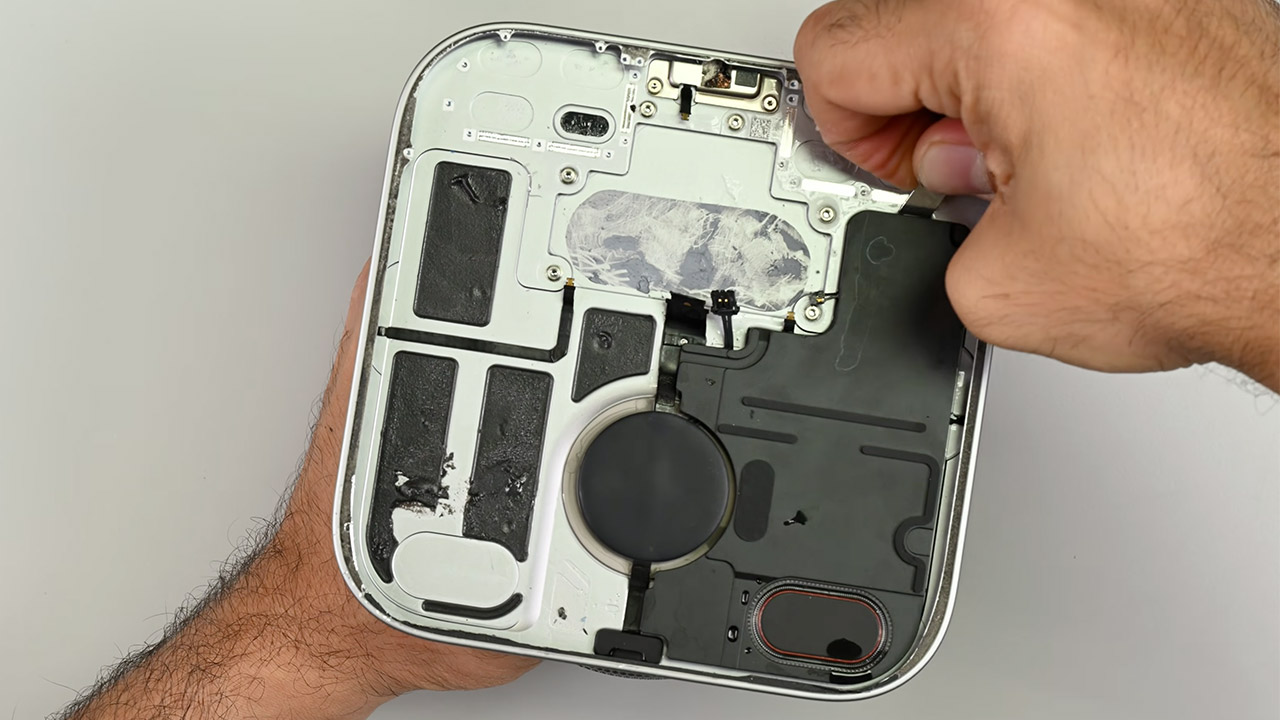
To be honest, the bottom of the speaker base was the easiest to break open. Four Torx screws and it was off, with the USB-C port attached to a little modular connector that you can replace out with relative simplicity. There’s a little woofer with an absurdly short cord, two passive radiators in a metal frame that provide deep bass, and a power board to keep everything running. This short cable makes reconnection a nightmare. Now, getting the display half to completely separate from the base is a real pain in the backside, with cables running through the pivot before you can even reach the large threadlocked screws stuck at awkward angles to set in place, as it’s the type of job that really requires a pro, or a lot of time to spare and an awful lot of patience.