
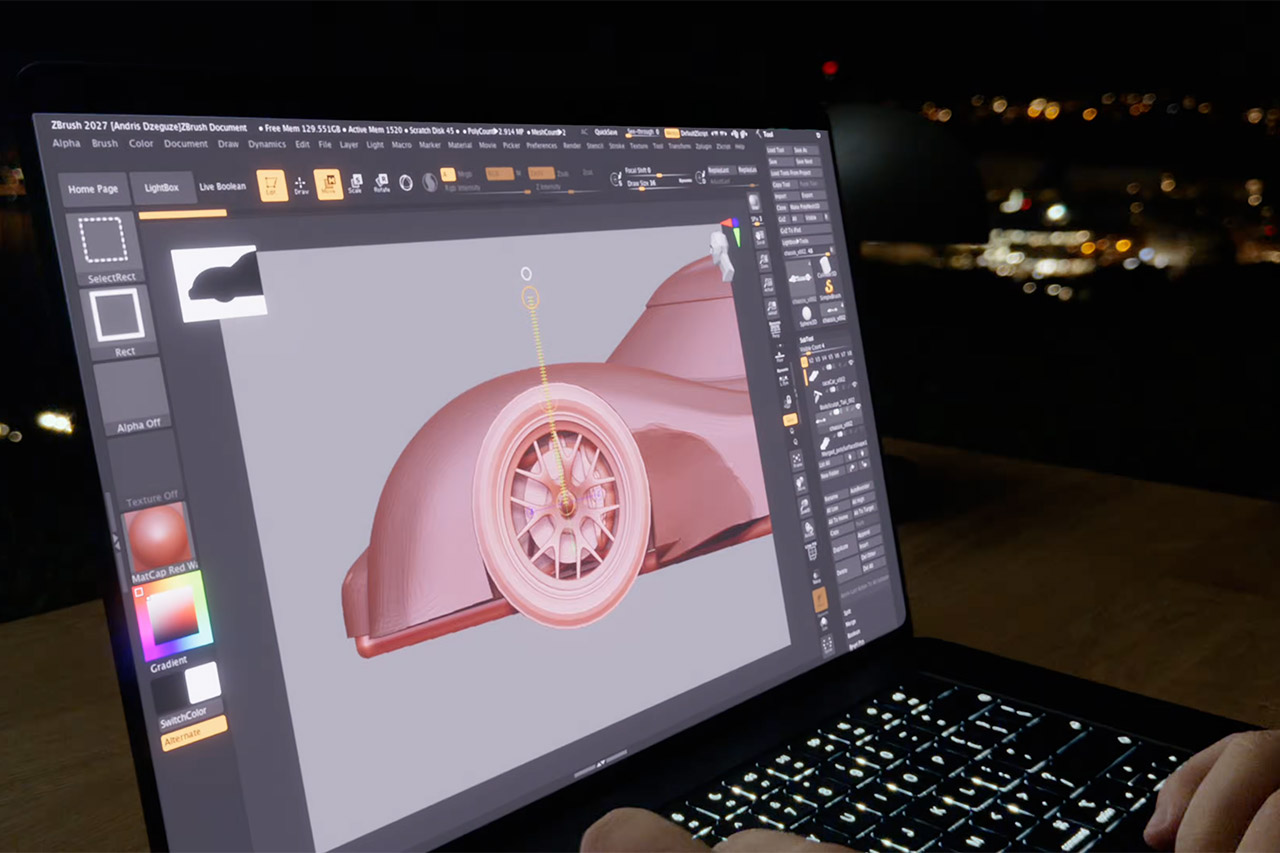
Apple finally put a touchscreen on a MacBook Pro and paired it with a tandem OLED panel called PROLED XDR that reaches 2000 nits of peak brightness for both HDR and ordinary SDR content. Available in 14.2-inch and 16.3-inch sizes, the display hits a 10,000,000:1 contrast ratio, supports ProMotion that ramps from 10Hz to 120Hz, and covers both the P3 and Adobe RGB color spaces with more than 80 percent of Rec. 2020.
A factory-calibrated display engine takes each pixel into account in real time for the type of content being shown, how hot the display is, and the amount of light in the room, all on top of the optional nano-texture glass that reduces glare for people working outside or in a studio. The result is a screen with extremely tight blacks around text and UI elements, yet the specular highlights remain bright enough for anyone doing major color-critical editing or grading HDR video; there is no blooming, unlike some Mini-LED panels.
- AN AMAZING MAC AT A SURPRISING PRICE — With an incredibly portable and durable aluminum design, up to 16 hours of battery life,* and the A18 Pro...
- FOUR STUNNING COLORS. ONE DURABLE DESIGN — Choose from four beautiful colors — Silver, Blush, Citrus, or Indigo — each with a color-coordinated...
- FLY THROUGH EVERYDAY ASSIGNMENTS — Whether you’re cramming for finals, using Apple Intelligence* to summarize class notes, creating presentations...
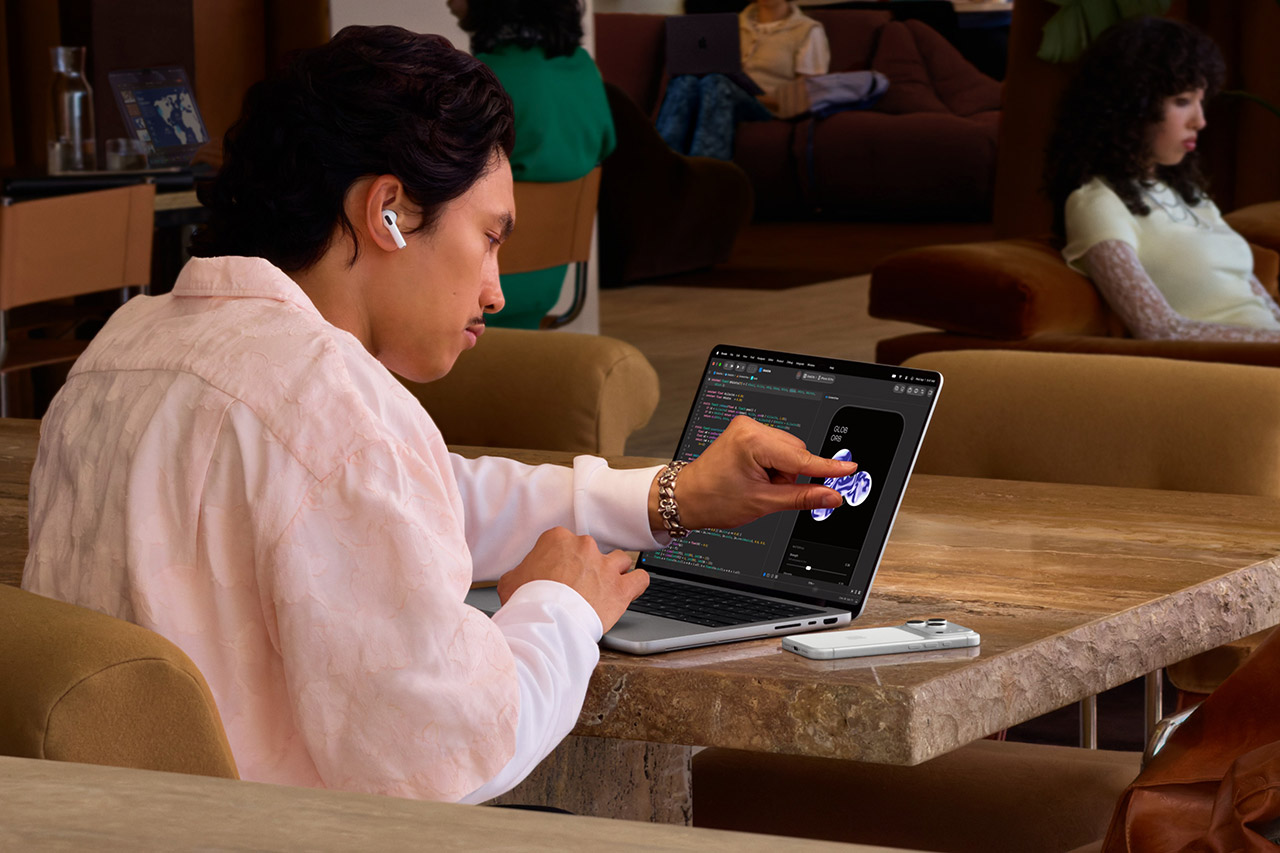
Touch input is built directly into the panel rather than as a separate layer on top. This means that when you pinch to zoom in on a photo, swiping across timelines, or dragging clips around in Final Cut Pro, the latency remains low, so you don’t have to wait for the laptop to catch up. With this device, designers can use the entire screen as a canvas, musicians can play software instruments directly on the glass, and developers can test iOS apps without ever leaving their laptop.
Apple’s macOS 27 is now smart enough to convert touches into clicks in existing apps, and Apple’s own software, as well as a growing list of third-party titles (such as DaVinci Resolve, Blender, and Adobe Lightroom), are getting their own dedicated gestures. Instead of the old notch, we now get Dynamic Island, which houses the Spotlight, Live Activities, and Siri, keeping status and controls visible without taking up any actual work area. The hinge on this gadget has been adjusted for stability, so it will keep the lid in place even if you put your hand on the screen during a video conference, and the camera also includes some stabilization.
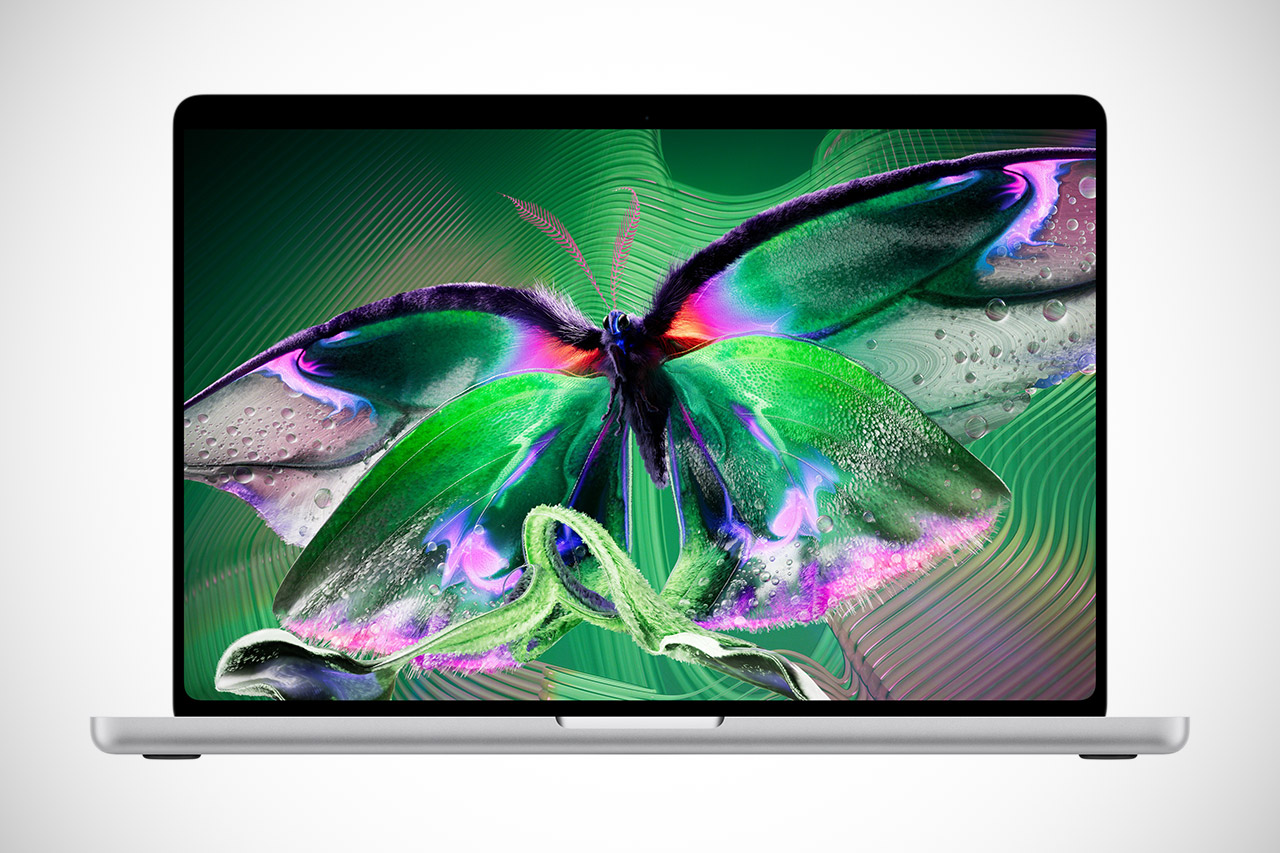
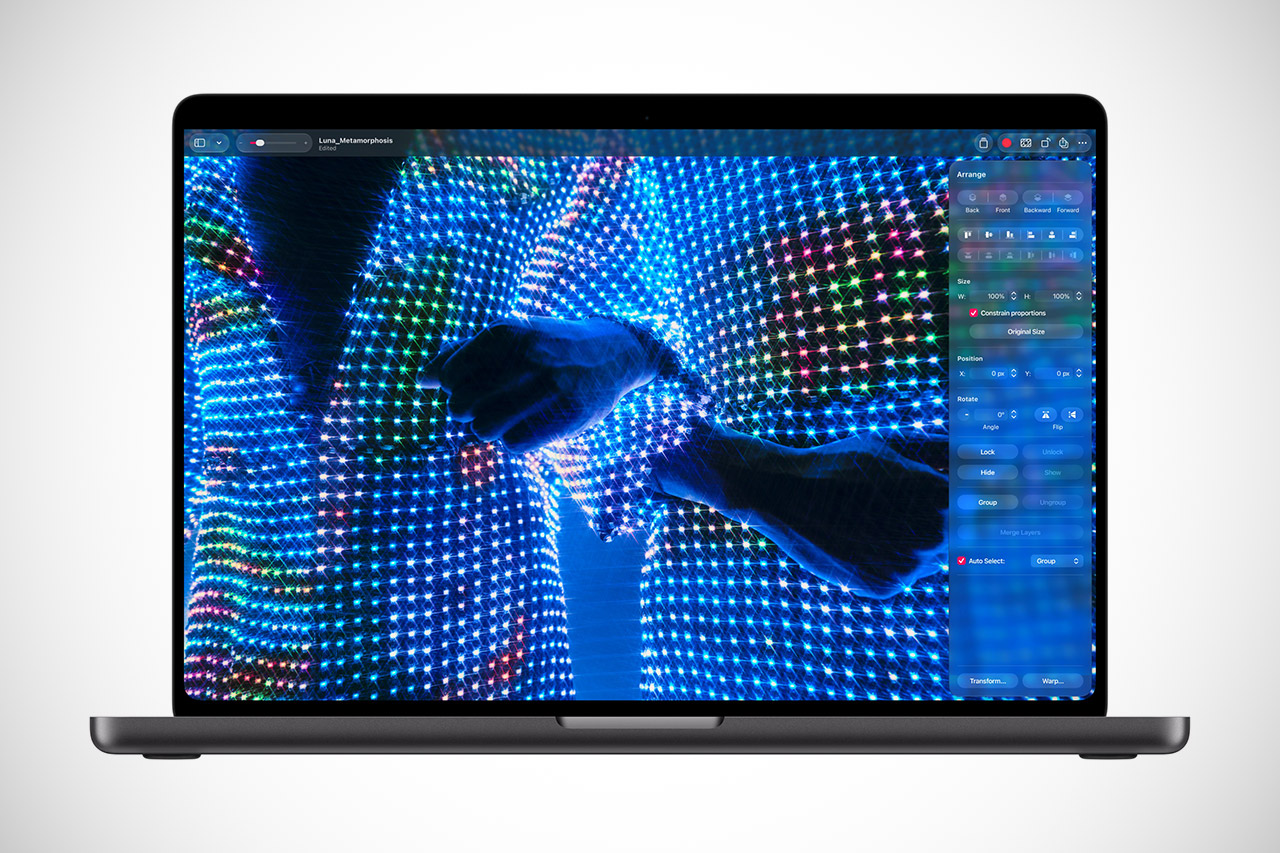
This machine has also dropped some weight. The new 14-inch model weighs 3.0-3.1 pounds and is 0.59 inches thick, while the 16-inch version weighs 4.0-4.1 pounds and is 0.63 inches thick. The Apple logo on the lid is back to glowing, and the color options are Silver or Space Black, with the casing made of recycled aluminum. Under the hood, we have the same M5 Pro and M5 Max chips as in non-OLED MacBook Pros, so you get CPU counts up to 18 cores, GPU counts up to 40 cores, Neural Accelerators in each GPU core, and hardware ray tracing, all while unified memory scales up to 128GB and storage reaches 16TB on M5 Max configurations. The battery life is rated at up to 24 hours, and it can be charged to 50% in roughly 30 minutes. The thermal design ensures that prolonged performance remains stable while the display remains lovely and even.

The M5 retains the same set of ports as the M5 Max, including three Thunderbolt 5 connectors, an HDMI port, an SDXC card slot, a MagSafe 3 connector, and a headphone socket, all of which may be used to connect four external displays. Onboard Wi-Fi has been upgraded to Wi-Fi 7, and we now have Bluetooth 6 owing to the new N1 wireless chip. On the audio front, the M5 has a brand new woofer that can deliver 50% deeper bass, some new tweeters to provide a clearer sound, and Apple has even thought about how to optimize the audio for when you’re running an external monitor off the laptop with the lid closed, which is a nice touch.


Pre-orders opened today (October 28th), and laptops begin shipping on November 6th. Apple has set the prices for the U.S. versions as follows: $2,899 for the 14-inch M5 Pro and $3,399 for the 16-inch Pro, with M5 Max variants starting at $4,499 and $4,799, respectively. The PROLED XDR models are expected to cost approximately $400 more than the existing Liquid Retina XDR MacBook Pros with the same CPUs and connectors. If you want one of the higher-end models with 128GB of memory and 16TB of storage, expect to pay well over $14,000. There’s also the option of upgrading to a nano-texture glass finish, which costs an additional $150. If you’re a student, participate in the Apple trade-in program, or simply want to pay it off monthly, the entry point becomes more fair, and the brighter touch-enabled panel is well worth the price.