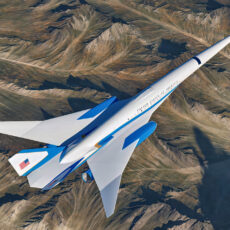
Blake Scholl founded Boom Supersonic with one single purpose in mind: to reintroduce commercial supersonic travel, which had been lost from our skies for decades. Ten years later, the Denver-based startup has quietly raised an eyebrow at that concept and moved it in a whole other direction.
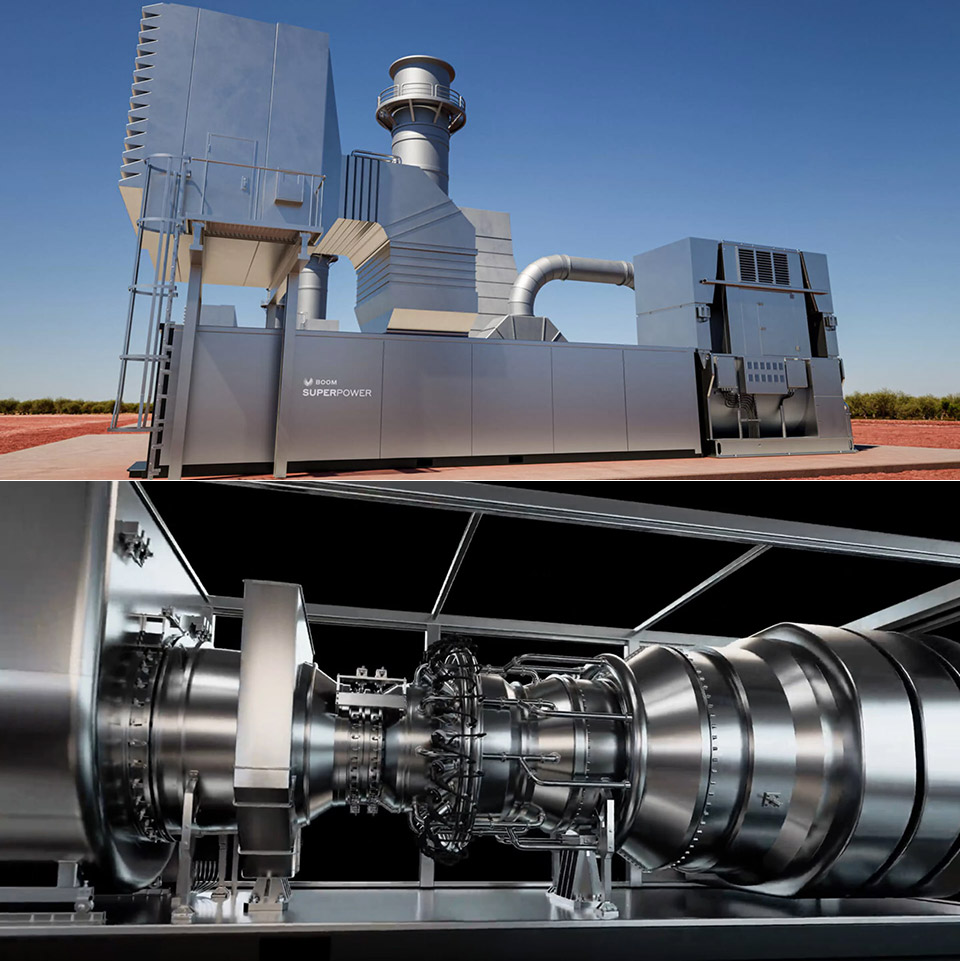
Earlier this week, Boom Supersonic revealed a small secret. They introduced the Superpower, a massive 42-megawatt natural gas turbine powered by the same engine technology that would drive the Overture aircraft to supersonic speeds beneath the Atlantic in less than four hours. But here’s the catch: this technology isn’t about achieving Mach speeds; it’s about landing on the earth to feed the energy explosion being swallowed by all those AI data centers. The first order calls for 29 units, which is enough to light up a small town.

- SIZE DOWN. POWER UP — The far mightier, way tinier Mac mini desktop computer is five by five inches of pure power. Built for Apple Intelligence.*...
- LOOKS SMALL. LIVES LARGE — At just five by five inches, Mac mini is designed to fit perfectly next to a monitor and is easy to place just about...
- CONVENIENT CONNECTIONS — Get connected with Thunderbolt, HDMI, and Gigabit Ethernet ports on the back and, for the first time, front-facing USB-C...
Boom’s team literally took the engine off their Symphony engine, the pit-bull of an engine that will be the heart of the Overture airliner project, which is still in prototype testing and must deal with the extremely harsh pressures of flying a jet faster than sound. They removed the sections that were only used in airplanes and refocused on providing a consistent ground level output for their Superpower. The end result is 42 megawatts packed into a footprint no larger than a shipping container, which is a nice design modification. Natural gas is used to power the turbines, with diesel as a backup in the event of a power loss, and they merely hum away; no water is necessary for cooling, unlike earlier turbines that break a sweat when the thermometer gets beyond 110 degrees. It is unsurprising that as temperatures rise, they lose up to 30% of their capability.
Crusoe Energy, an expert in sustainable computer infrastructure, was first in line for the 29 turbines. Their agreement requires them to cough over 1.21 gigawatts in total, enough electricity to keep a host of servers chewing through all the massive data sets that train the most powerful AI models available. AI data centers are having a difficult time keeping up: they consume power like a drain that is connected to a variety of other industries, and the advent of generative tools is further increasing the demand for electricity. New transmission lines are a tremendous headache to install, and when you consider in the years required, operators are searching for a local solution. That’s where Boom’s Superpower comes in handy: it’s quick to put together and doesn’t require any water to function, opening the door to arid locations where water is valuable.
According to Crusoe’s CEO, Chase Lochmiller, it was a perfect match for their bid to power their AI builds more efficiently: the turbine is reliable enough to allow them to get on with the job of scaling up without waiting on some distant power station or waiting for permits that never seem to appear.
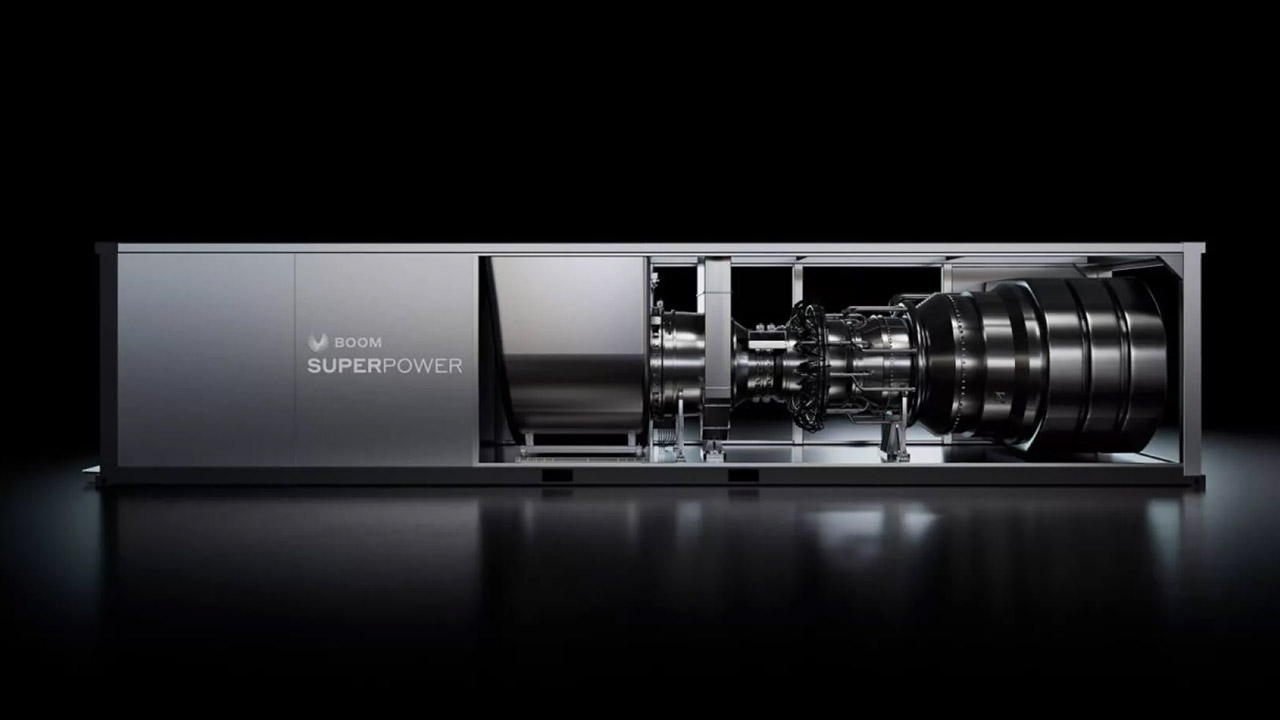
Aviation requires perfection, therefore Boom’s engineers simply integrated remote monitoring from test flights on the XB-1 demonstrator. Cloud dashboards now allow you to monitor performance in real time, so the guy on the ground can identify concerns before they become a problem. It’s worth noting that emissions are relatively low because the efficient core burns gasoline cleaner than many older designs, and the modular design allows you to stack units for larger loads without requiring much bespoke engineering. When you work in data centers striving to keep up with AI’s never-ending expansion, you have fewer headaches: no seasonal drops in output, no water supply issues, and power that scales with the task.