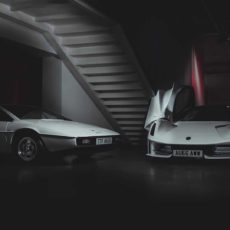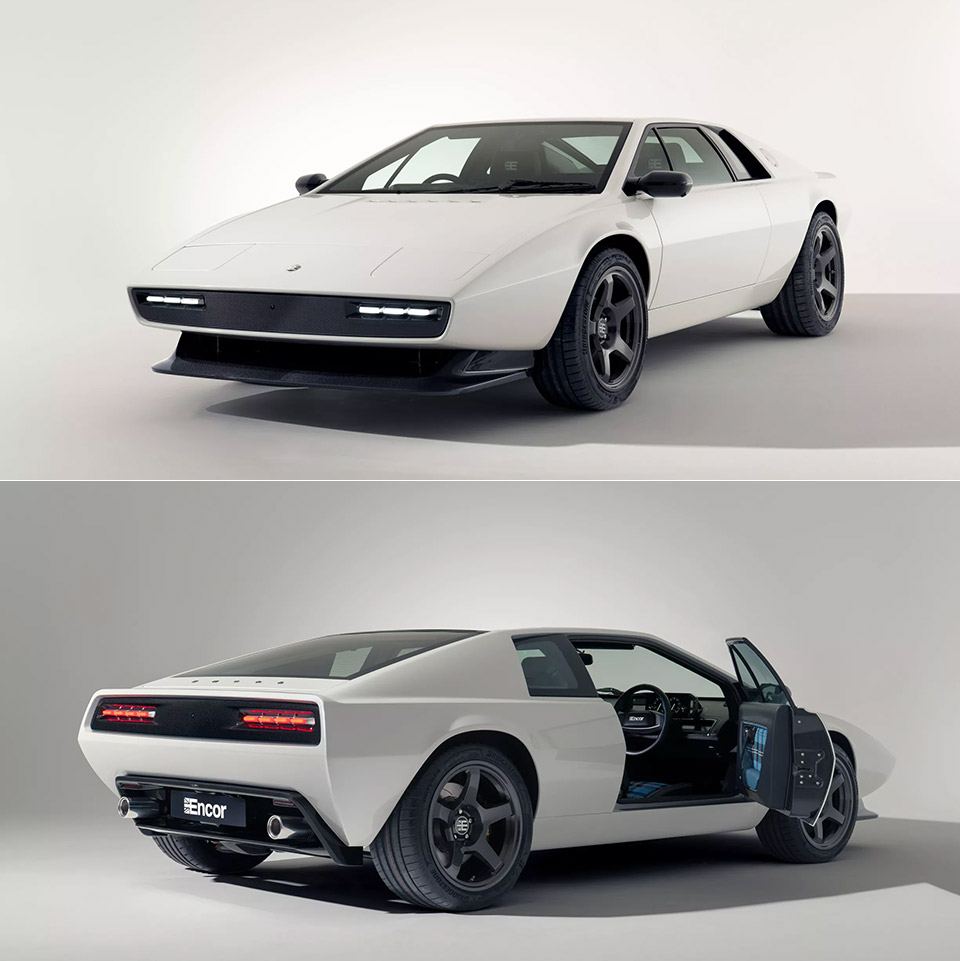
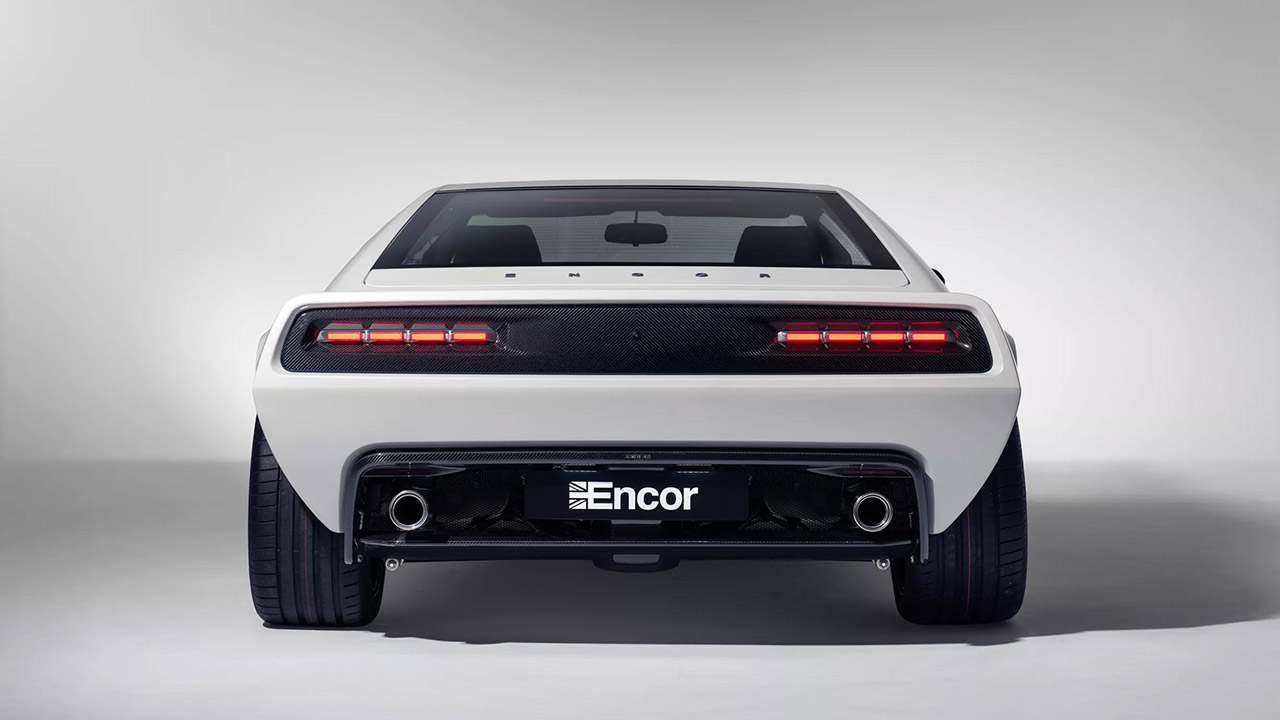
Encor Design unveiled its first creation last week, a car that took the Lotus Esprit from the realm of nostalgia and dropped it solidly in the present. Meet the Series I, a restomod that combines the crisp lines of the ’75 original with the power of a late-model V8 – all encased in a carbon-fiber shell so light you’d assume it was being towed by a helium balloon. Fifty years after Giorgetto Giugiaro’s wedge first drew attention at the Paris Motor Show, a small team of ex-Lotus engineers has managed to design a car that honors every curve of its predecessor while also resolving every significant problem.
Encor’s first step in any build is to find a donor from Lotus’ final run of V8 Esprits, which had twin turbos producing 3.5 litres of noise until 2004. They strip the item down to its bare bones before pouring a completely new body from a single piece of autoclaved carbon fiber provided by KS Composites. The original two-part fiberglass setup, with its inevitable seam running down the middle like a horrible scar, is no longer used. Instead, the surfaces are much more tight, with sharper edges and a cleaner appearance. The front track has been altered just enough to resemble Giugiaro’s original ideas, while the doors have been mined down to a flawlessly slimline dimension utilizing composite panels.

- BUILD A HYPERCAR ICON – Car fans ages 9 years old and up can experience the thrill of race day with the LEGO Speed Champions Bugatti Centodieci...
- AUTHENTIC BUGATTI DETAILS – Young builders can recreate signature Centodieci elements, including the 5 round air intakes, horseshoe radiator grille,...
- BUILD, RACE & DISPLAY – Kids can stage epic hyper car showdowns with their Bugatti toy car—complete with a driver minifigure in racing gear—then...
The main engine is, of course, the same V8 block, resurrected as the Encors Type 918. They bored it out with forged pistons, installed new turbos and impellers, and even added a larger throttle body. And to ensure that everything goes properly, they’ve installed a new electronic control unit to address the idle issues that plagued the originals. The results are a remarkable 400 horsepower and 350 lb-ft of torque, which is enough to propel the vehicle from zero to 60 in four seconds flat, not to mention a top speed of 175 mph. And you get to do it all with a fairly unique five-speed Quaife manual with closer ratios, a beefed-up shaft, and a twin-plate clutch that only bites off what it can chew. There are no sophisticated mechanized paddles on this one; instead, you earn your driving stripes with a flat-plane crank sound that happens to echo off canyon walls.
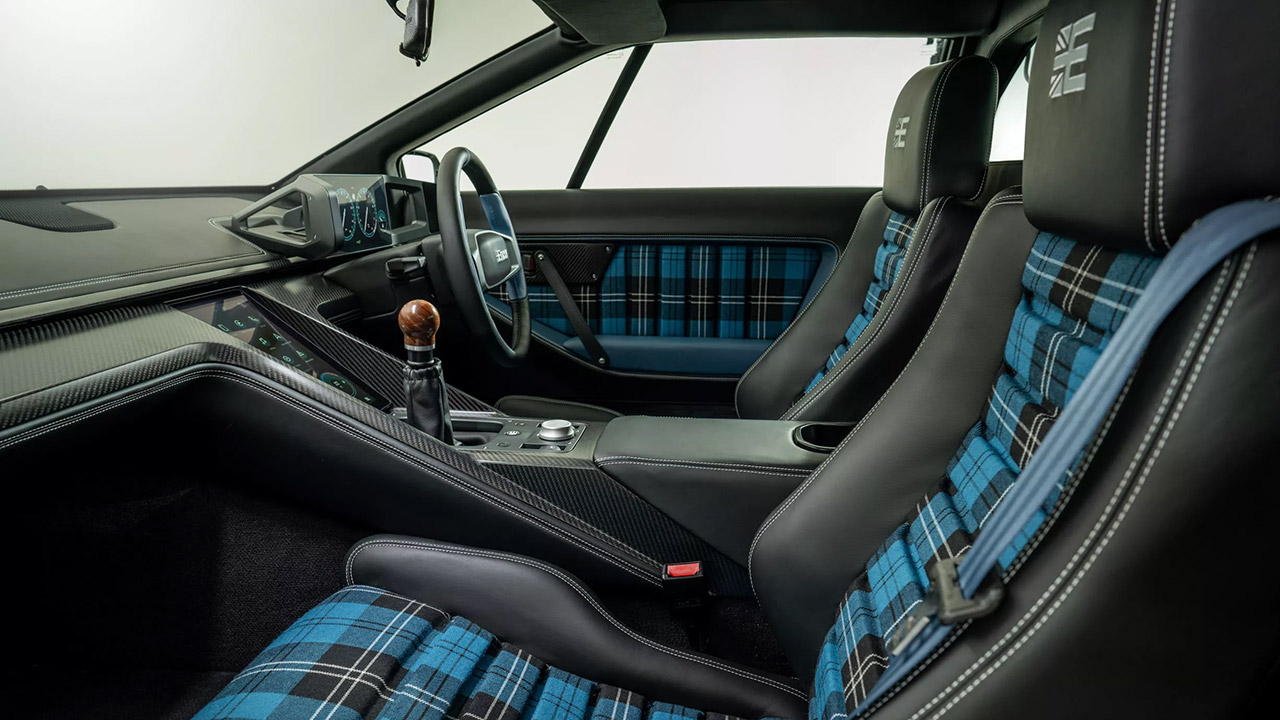
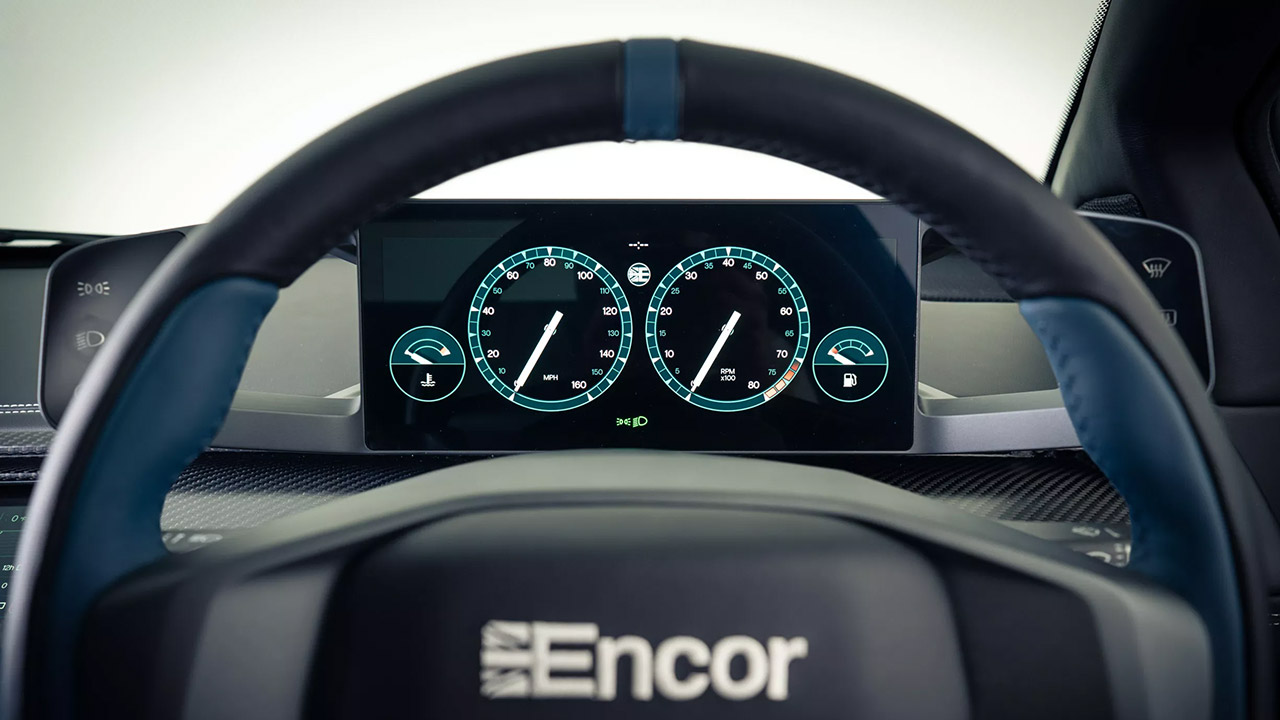
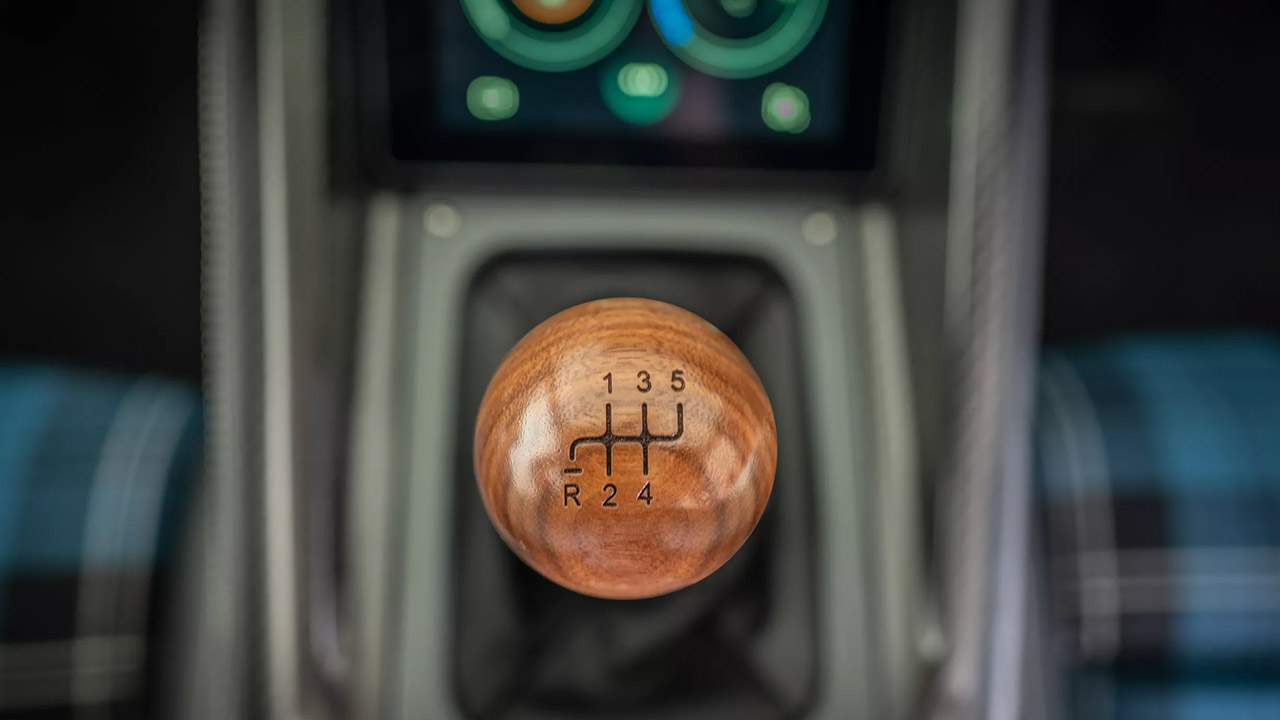
Inside, there are plenty of details that will catch your eye. Take the dash, for instance – it’s been tweaked to slope forward like the original ‘S1 but now sits a really rather cool billet-aluminum pod right up front, housing a digital screen that will keep you on your toes. The famous tartan stripe make an appearance courtesy of the original’s punk-era styling, while carbon sills and seats do their best to suck you firmly into the chassis. The climate vents? Tucked away and the infotainment system is controlled via a central touchscreen that’s suspiciously similar to those youd find in a GMA or Pagani vehicle – rather classy. And just in case you wanted to find your way out of a car park there’s a 360-degree camera sending views to the screen at the flick of a switch. Not bad for a machine that spent years just rusting away in a shed.
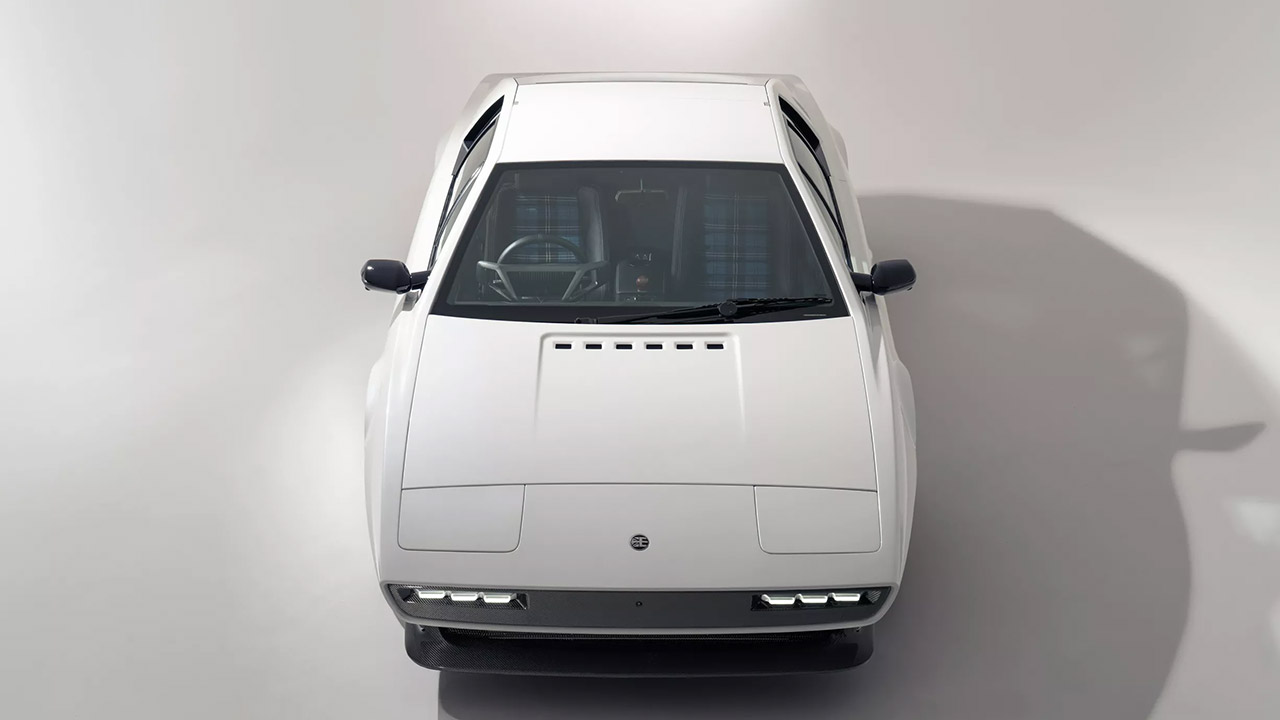
Handling is what seals the deal, as the team removes the steel backbone chassis from the donor, galvanizes it to prevent corrosion, blasts it clean, and then applies the finish, but let’s be honest, the carbon body on this monster is so strong that the frame is almost unnecessary. The suspension uses Sport 350 uprights and then bolts on Bilstein dampers and Eibach springs to absorb bumps and keep you grounded when cornering. The AP Racing brakes clamp down tight, with six-piston calipers up front and four at the back, replacing the faulty fly-off handbrake with a reliable electronic one. The steering, which is still hydraulic, receives just enough assistance to feel direct, and a Quaife limited-slip diff is installed to split the power where the grip is.
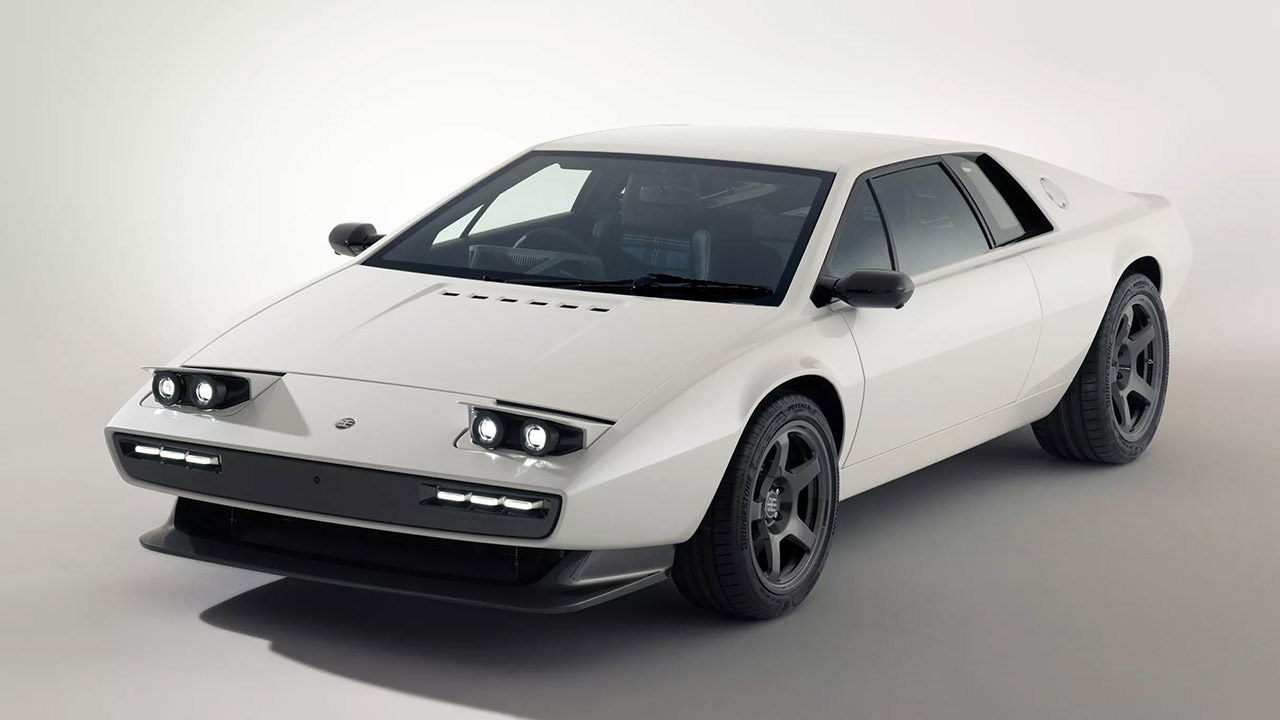
The wheels are basically machined from a solid block of aluminum billet, measuring 17 inches up front and 18 inches at the back, wrapped in some incredibly grippy Bridgestone Potenzas. The headlights are a bespoke design with LED projectors inside, which replace the conventional bulbs with a beam that cuts through fog without being too harsh on the eyes. The rear lamps are replaced with new ones that perfectly fit the bodywork. The finished masterpiece weighs less than 2,650 pounds dry, while the cooling system has also been modified to route air through new radiators and ducts, eliminating the overheating issues that plagued the Esprits in heavy traffic.
Prices begin at £430,000 (before tax, of course) and include the cost of any donor automobile you wish to supply, which could easily push the total to £550,000 for a finished car. It’s a limited run of only 50 units, all handcrafted in a British workshop by a crew that’s previously worked at Aston Martin and Koenigsegg. Since no two cars will ever be identical, owners will be able to choose their own tartan weaves or wheel finishes while keeping the essential spirit of the original ’75 blueprint intact. The first customer vehicles are set to hit the road in April 2026, giving owners just enough time to enjoy their summer vacation before hitting the track.