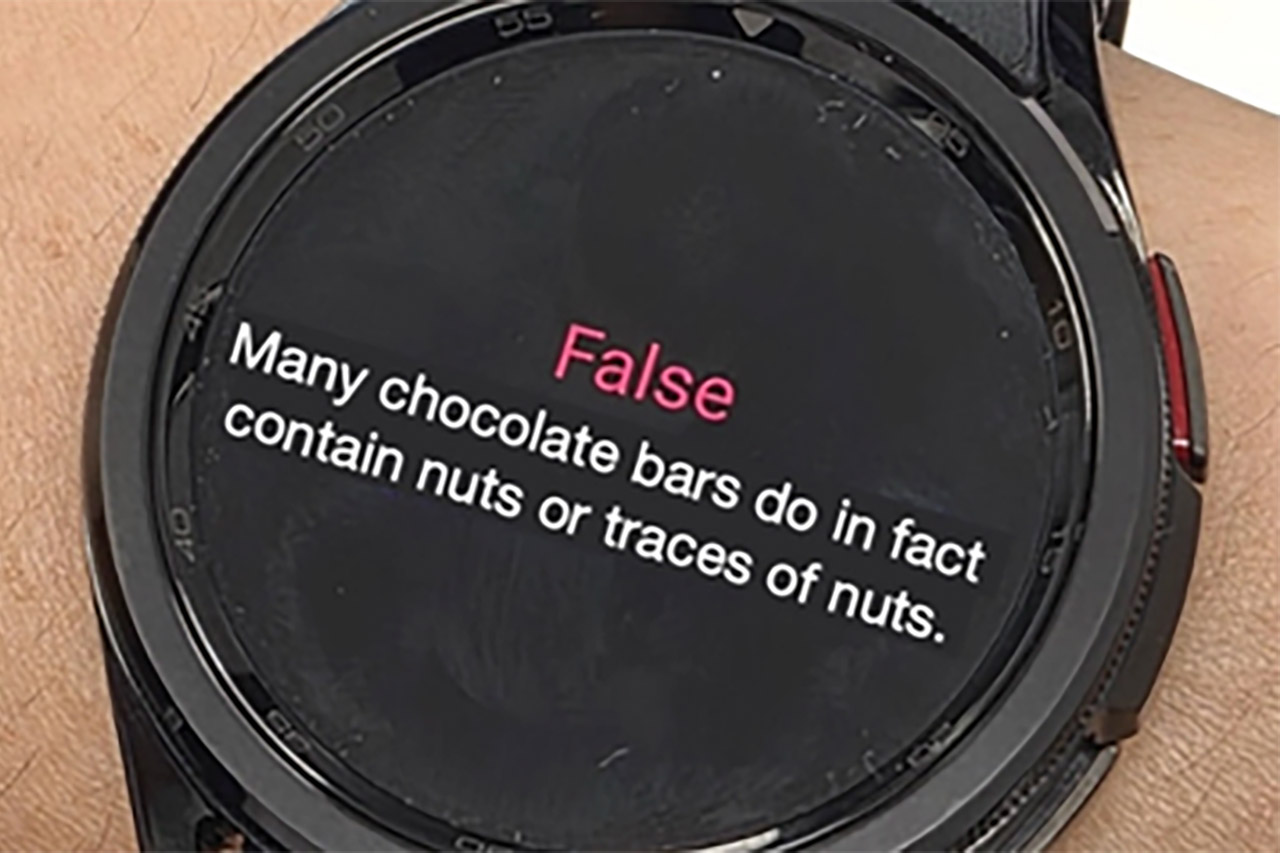
Everyday conversations and recorded talks move at a pace that leaves little room for immediate checks on every statement made. FactNudger represents an effort by MIT Media Lab researchers to supply a quiet form of assistance through a smartwatch that responds to questionable claims with a wrist vibration.
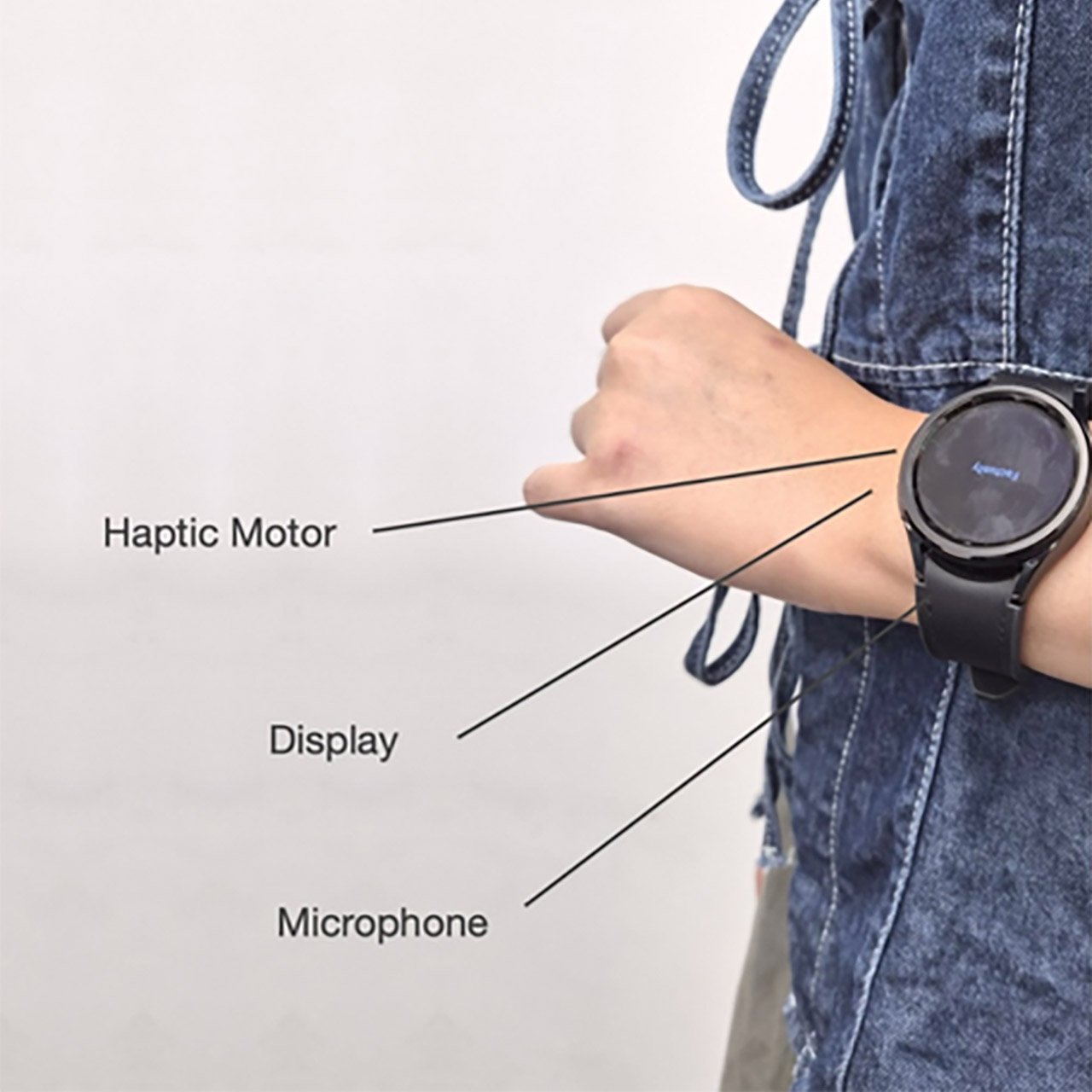
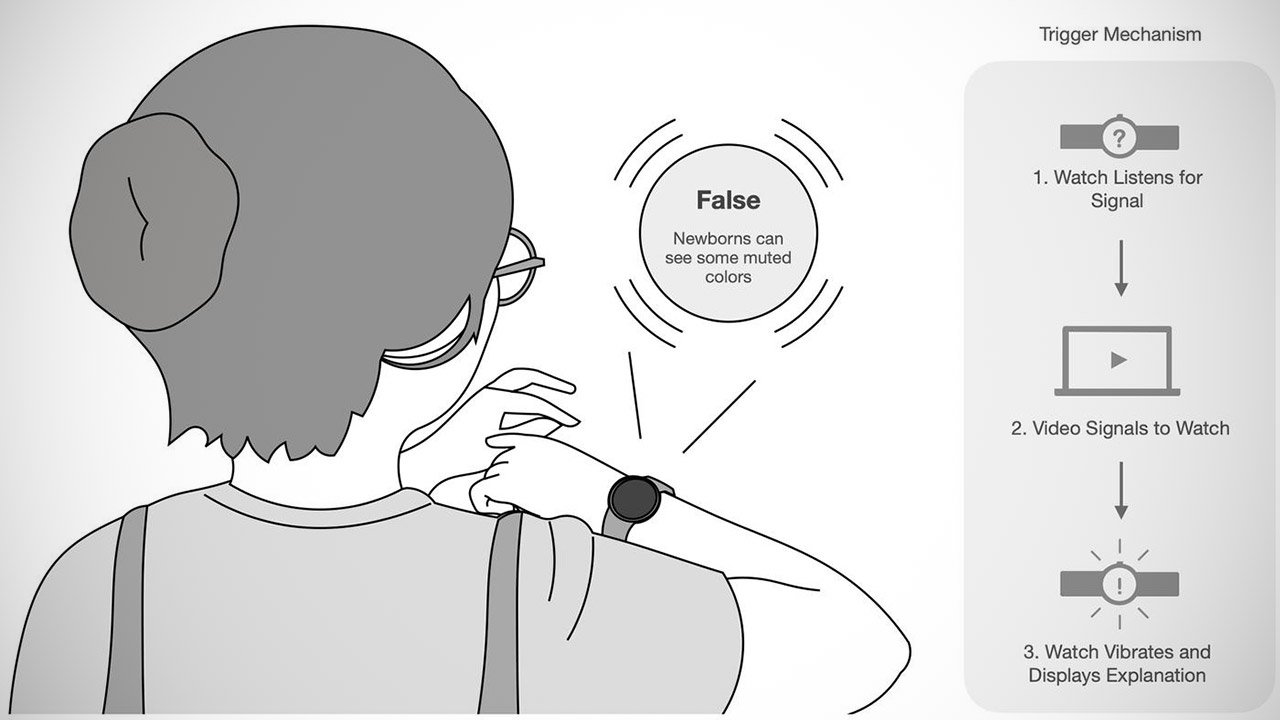
Ambient audio capture from a Wear OS smartwatch coupled with an Android smartphone captures what the wearer is saying in real time, with no further effort required. Those detection models then scan the text output to determine if anything needs to be checked. They conduct web searches to see if they can uncover any evidence to back up what was stated, and then they assess all of the findings, context, and potential ramifications before determining what to do next, allowing talks to continue without interruption.

- WHY GALAXY WATCH8 CLASSIC: Timeless design.* New lug system for easy band detachment & replacement.* Advanced health & sleep tracking features for...
- BUILT TO PERFORM. DESIGNED TO IMPRESS: Show off your style with an iconic design that blends tradition with cutting-edge innovation.¹ A brighter...
- YOUR EVERY COMMAND, RIGHT ON YOUR WRIST: Get a little extra help with day-to-day tasks. Galaxy Watch 8 Classic features a personal AI assistant¹ that...
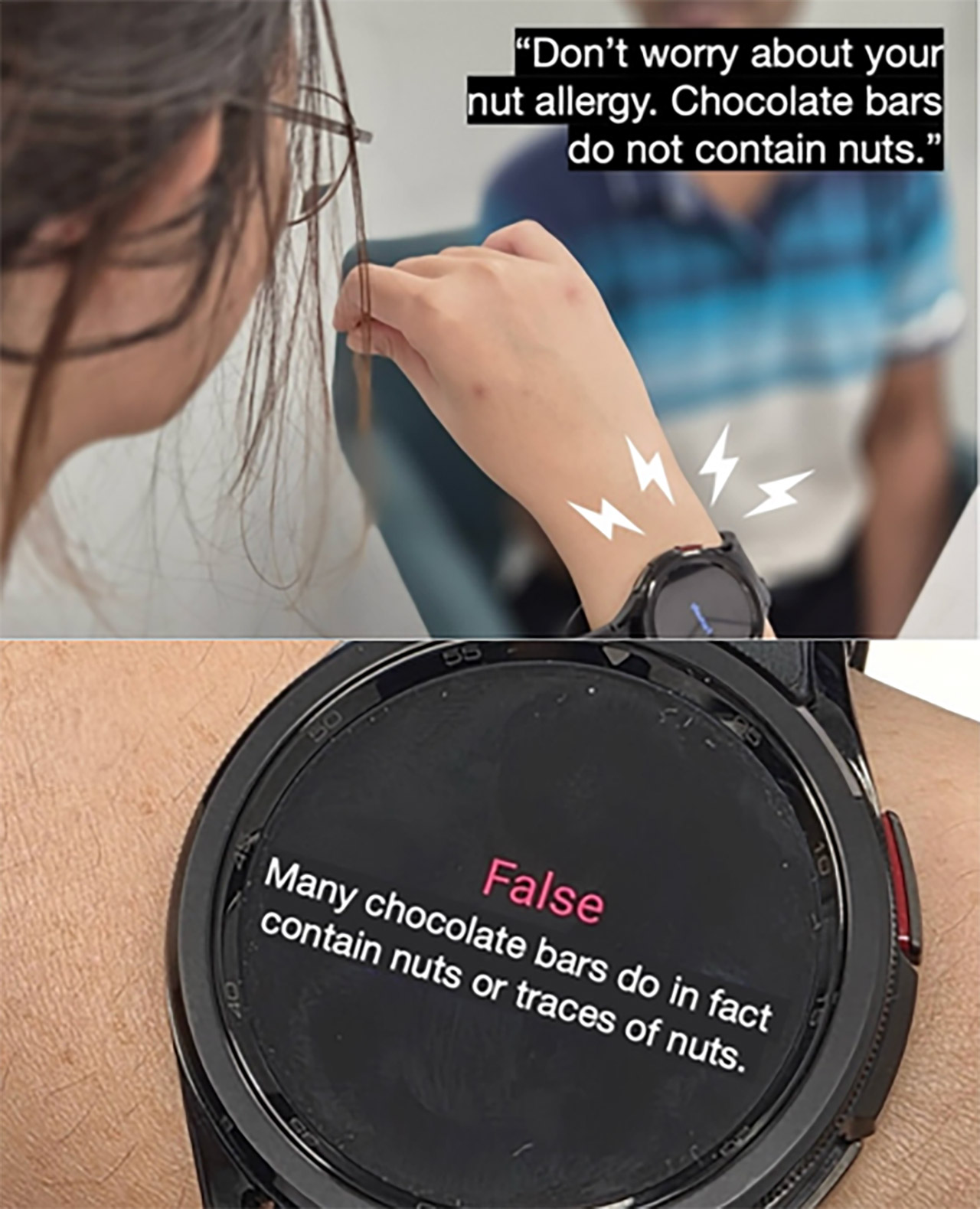
When credible proof contradicts what someone is saying and the subject is important, such as health, money, or safety, the watch vibrates and displays a brief message on the screen. You may then go over all of the sources and references on the associated smartphone app later, when things have cooled down. When they checked 125 previous claims, they discovered that the system was correct 77% of the time. They also examined 50 hard discussions, with things like unfinished sentences and people repeating themselves, and the system was able to figure out what to do in approximately 80% of them.
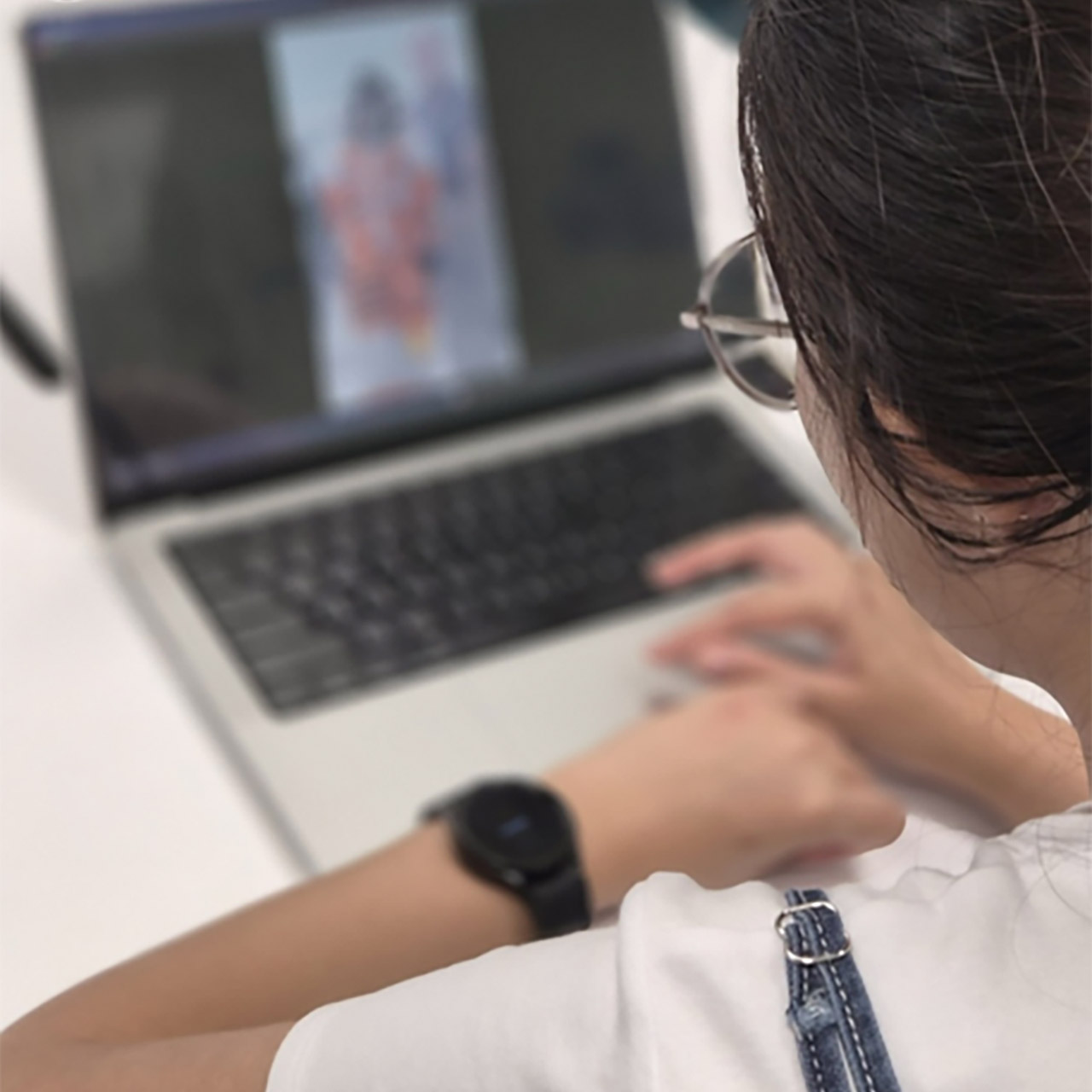
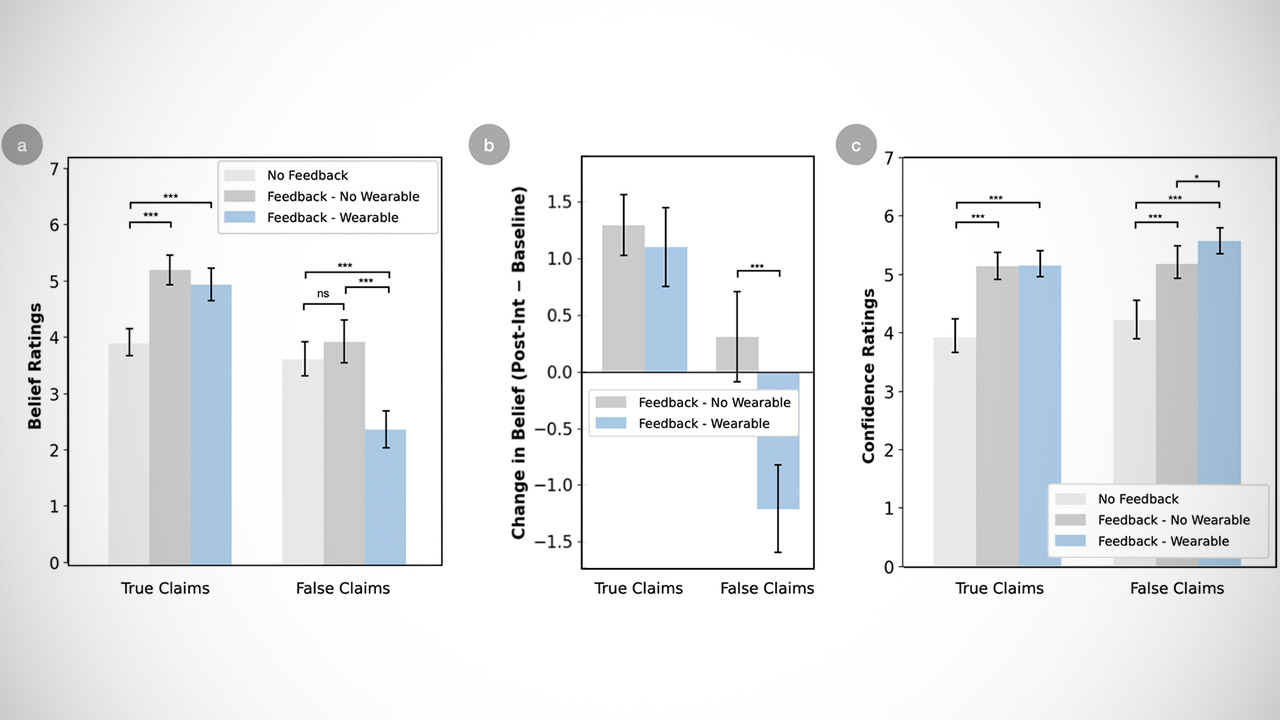
After the person has stopped talking, the system typically takes around 3.5 seconds to determine what is going on. They conducted a trial with 34 participants, half of whom saw movies with and without this simulated feedback system, which attempted to approximate genuine accuracy at 87.5%. When the wearable was on, people were far less persuaded by misleading statements and much more inclined to go check what had been said, and the good news is that they didn’t seem to find it any harder at all.
It’s also worth mentioning that when the system got it wrong and delivered a warning about something that was truly accurate, people began to question all of the other information they’d relied on later. However, it appears that being left alone with the opportunity to think for themselves had some effect on people’s final conclusions, and they were a little less inclined to change their minds about items that the system had overlooked. FactNudger can be a big help in real life, but we need to make sure we get the design right, or it may cause more problems than it solves, and in everyday situations, we’ll be up against things like background noise and changing speech patterns, which will be more difficult to deal with than they are in a controlled test.
The next step is to conduct further trials in real, unscripted settings to see how everything works in practice and to enhance the underlying models. Who knows, maybe one day wearables may be able to quietly flag any suspicious information you receive while going about your everyday routine, but for now, it’s all about getting it right and not overdoing it, or people will lose trust in it.
[Source]