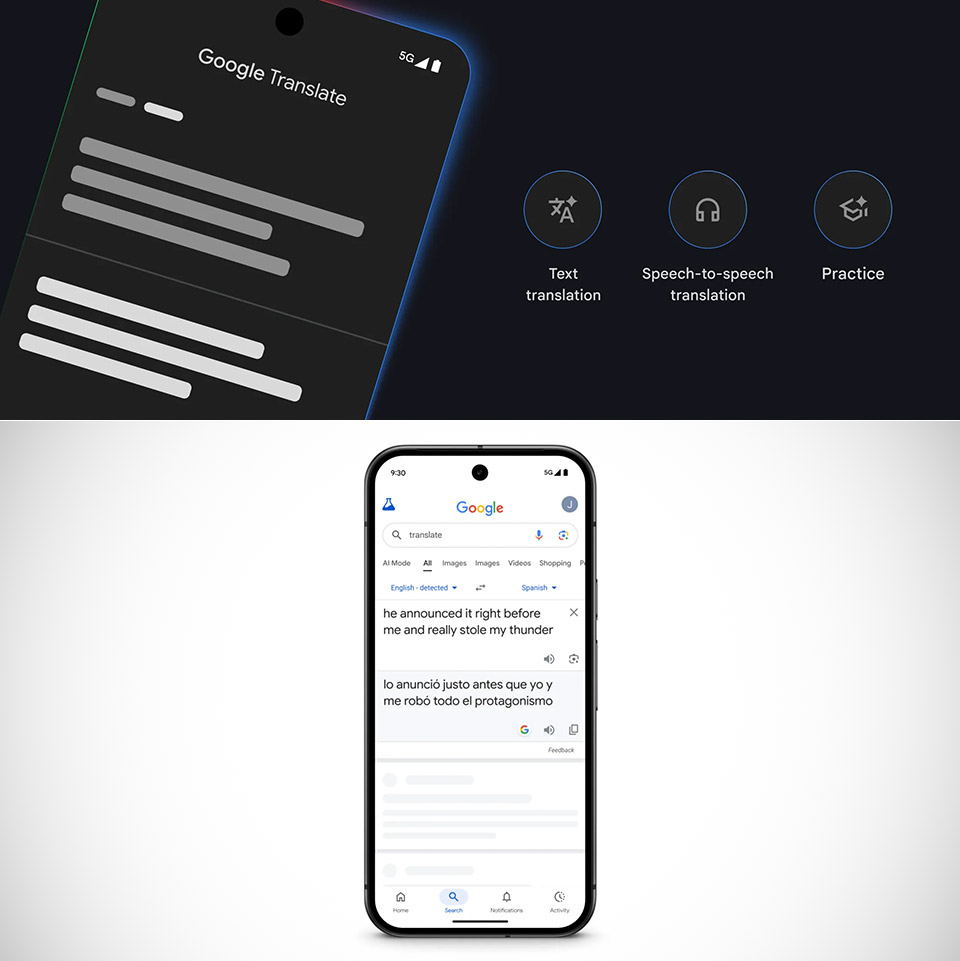
Google just released a major update to its Translate app, powered by their latest Gemini model. For users, this means real-time speech-to-speech translation with the option of routing it directly to any set of headphones. This beta functionality takes a significant step toward making multilingual interactions feel more natural and real-time.
Launch the Translate app on your Android phone (iOS coming in 2026), connect your headphones, and tap the Live Translate button. All of a sudden, spoken words around you are being translated in real time into your selected language and played back in your ear. The good news is that the technology keeps the original speaker’s tone, accent, and rhythm, allowing you to follow along more readily without any robotic flatness disrupting the flow, which may be a major issue.

- Google Pixel 10 is the everyday phone unlike anything else; it has Google Tensor G5, Pixel’s most powerful chip, an incredible camera, and advanced...
- Unlocked Android phone gives you the flexibility to change carriers and choose your own data plan[2]; it works - Google Fi, Verizon, T-Mobile, AT&T,...
- The upgraded triple rear camera system has a new 5x telephoto lens - up to 20x Super Res Zoom for stunning detail from far away; Night Sight takes...
For everyday life, this is a game changer. Travelers can attend presentations in other countries and hear what is going on. Families can communicate despite language hurdles and catch up with one another. And with only a click, viewers can catch every line in a movie or show in another language. What is the best part? The phone handles the microphone input and outputs the translated audio straight through your headphones, so you don’t have to worry about anyone else hearing it.
This feature is supported by around 70 languages out of the box, which covers a wide range of possibilities. Any headphones that can connect to your phone will do the trick, so you don’t need to go out and buy a specific brand. The beta will first be available for Android handsets in the United States, Mexico, and India, with ambitions to expand to iOS and other nations next year.
The Gemini’s natural speech-to-speech processing, however, enables all of this. Earlier algorithms split things down into steps: first transcribe speech to text, then translate that text, and then generate new speech. The trouble is that it takes time, and when you include in delays, things might become a little clumsy. However, with Gemini, everything happens in one continuous motion, which reduces lag while preserving the vocal aspects that truly matter, such as pitch and pace. Finally, the noise surrounding you is filtered out, allowing you to focus on the text.
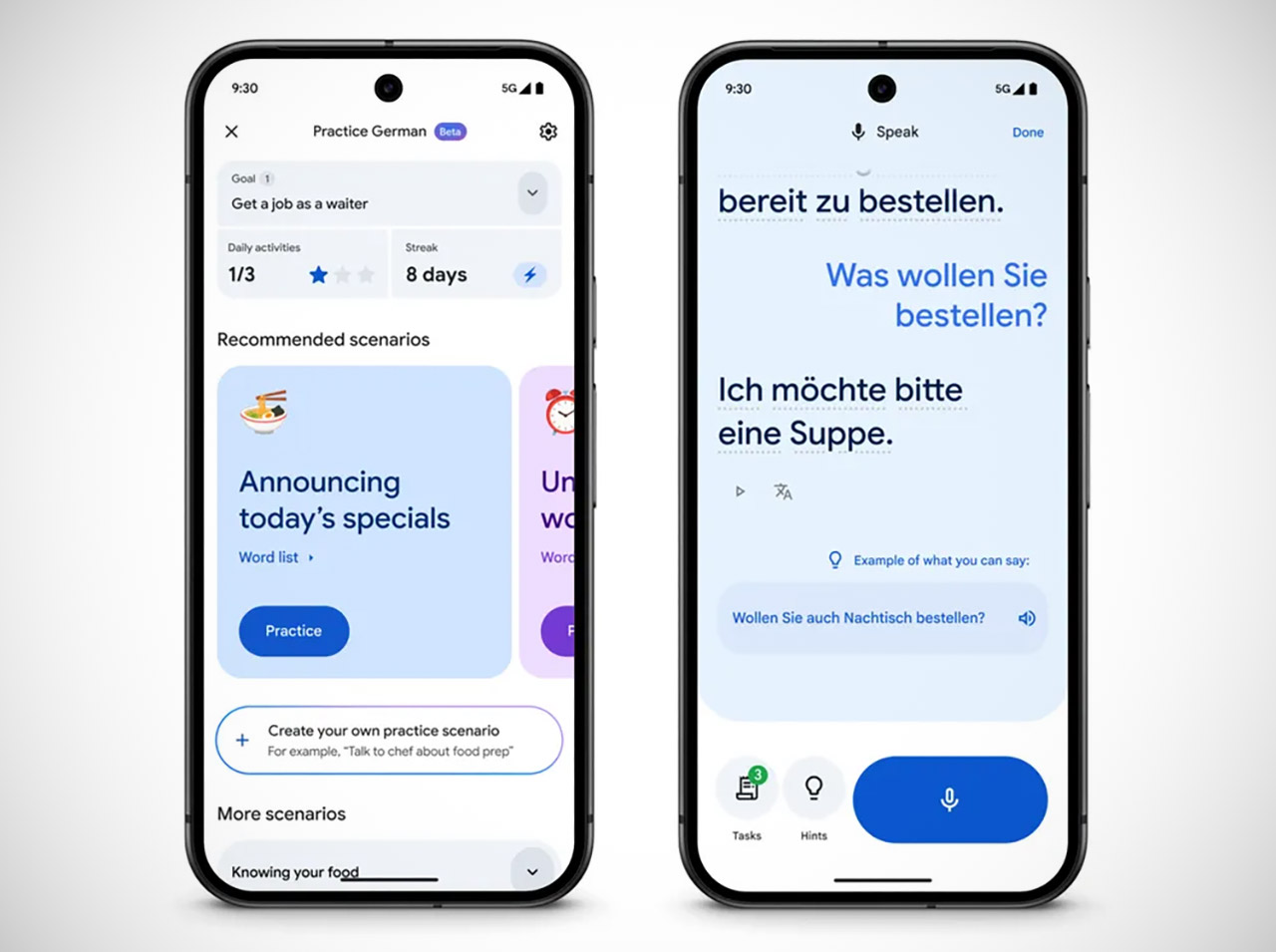
Another thing that has changed is that previous iterations of this type of live translation always seemed to bind you down to certain technology, such as Google’s own earbuds. So the fact that you can now use any appropriate pair of headphones is a significant step forward; it means that this technology is now available to a much larger number of individuals on a daily basis. Additionally, the Gemini upgrade improves text translations. This is especially useful for terms with deeper meaning, such as idioms, slang, or local expressions, as previous translations may have been overly literal and unclear. But now, the app understands the context of these statements and presents them in a form that native speakers can understand.
The largest language pair being upgraded is English and about 20 additional languages, including Spanish, Hindi, Chinese, Japanese, and German. This new functionality is available to both Android and iOS users, as well as web users. Language learners are also receiving a boost with practice portions that provide improved feedback on spoken attempts, as well as daily streaks to help them develop good habits.