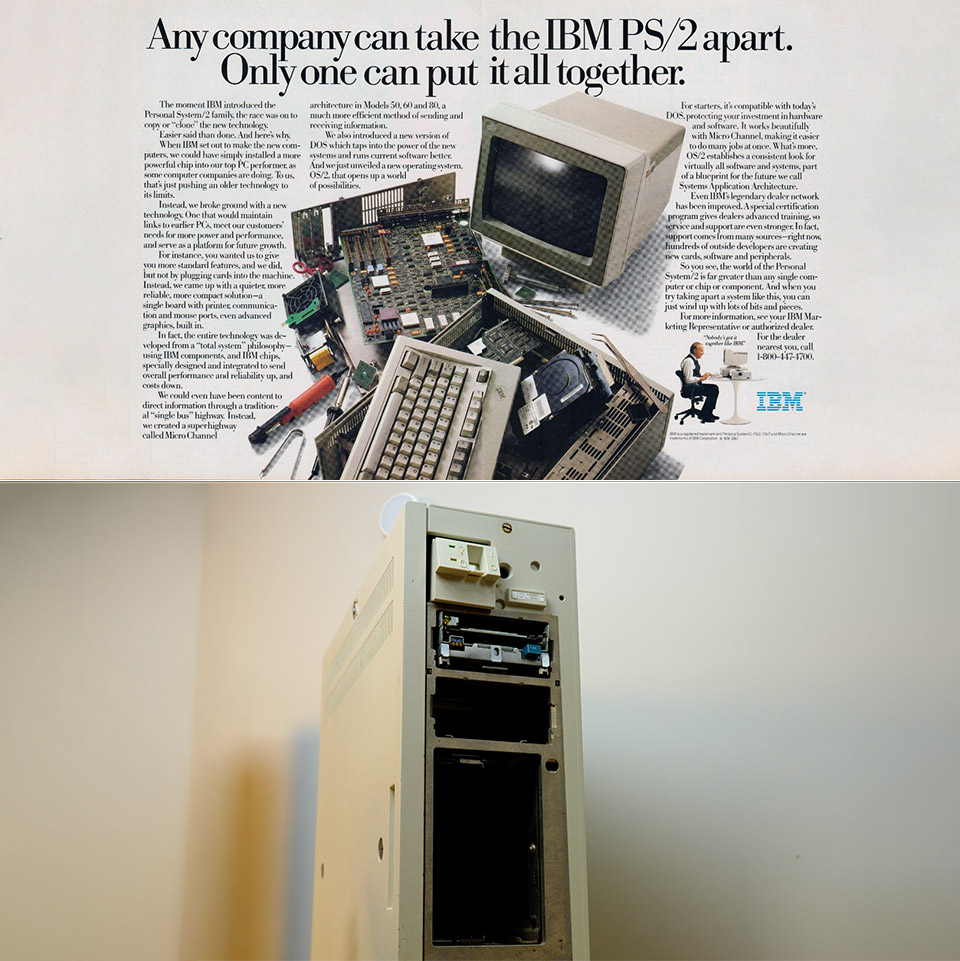
Michael MJD spotted the beige tower sitting in an e-waste bin and knew he had to pull it out. Back in late 1987, this IBM machine carried a list price of $10,995, money that would buy a decent used car at the time. Four decades later the same unit cost him nothing beyond the effort of hauling it home. This particular example is the Model 8580-111, one of the higher-spec versions IBM offered when the Personal System/2 line first appeared.
Anyone who has ever tried to transport an old full-size tower to a conference understands that the Model 80 takes the difficulty to a new level. Standing a towering 23 inches tall and weighing an enormous 40 pounds even in its “lighter” configurations, the case includes a carrying handle inserted into the top edge, indicating that IBM expected people to pick it up from time to time.

- ONE BIG, POWERFUL FAMILY—Blaze through pro workflows with M6, M5 Pro, and M5 Max. A powerful Neural Accelerator is built into each GPU core, so you...
- YOUR PERSONAL THINK TANK—Apple silicon is designed to run demanding on-device AI workloads like processing LLM prompts and using custom agents, with...
- UP TO 24 HOURS OF BATTERY LIFE—Work, create, and play all day with up to four more hours of battery life than MacBook Pro with M1.* And get the same...
Adjustable feet protrude from the base, allowing the entire item to sit quite securely on either carpet or hard floors. Inside the case, there are several drive bays, including a full-height 5.25-inch slot that has been positioned horizontally to take use of the tower’s enormous height, as well as space for a few 3.5-inch devices. The entire design makes it feel more like a mini departmental server than a personal machine.
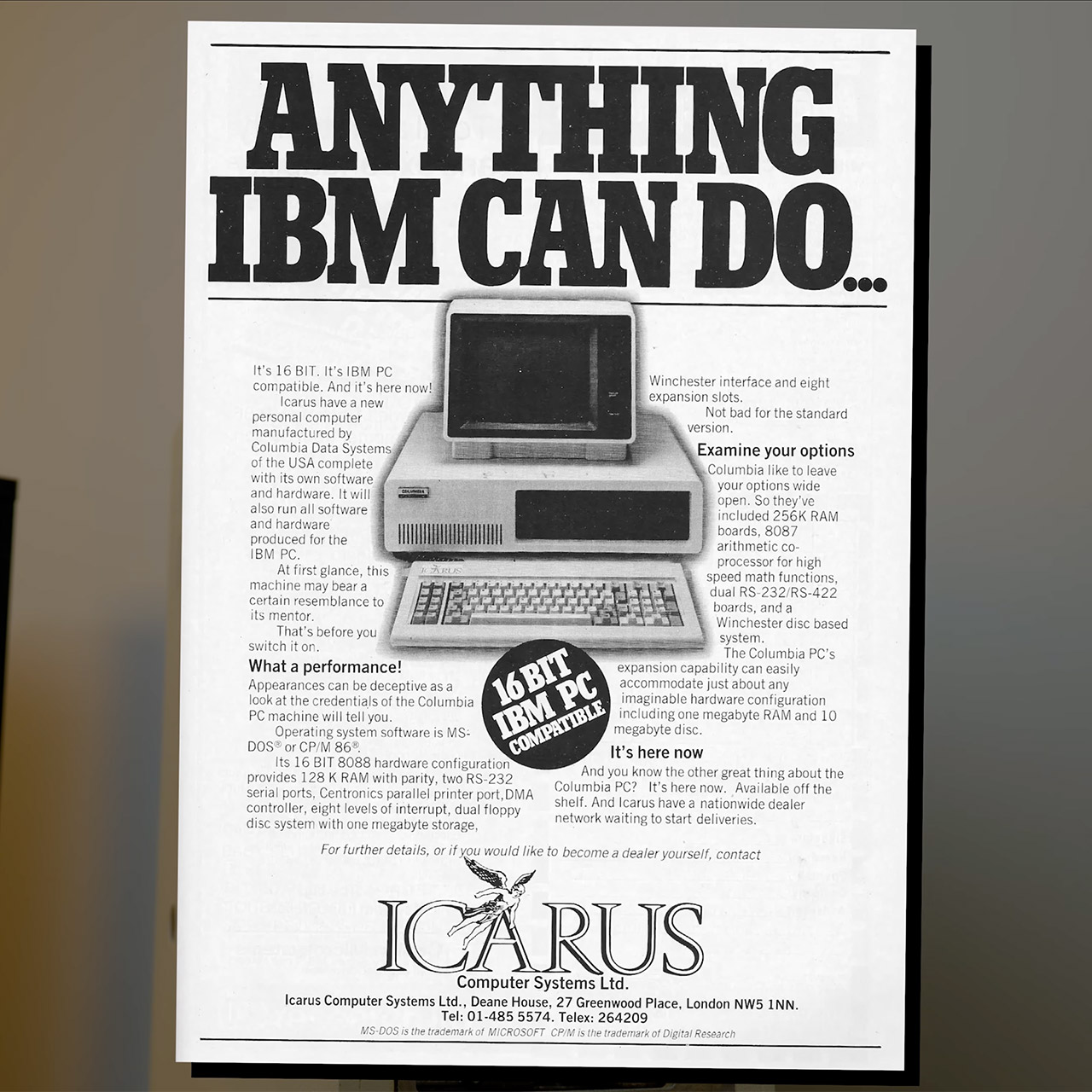
IBM designed the Model 80 around a 20MHz Intel 386 processor and shipped it with 2MB of RAM and a 115MB hard drive that, interestingly, used the ESDI interface. The memory itself is housed on special cards that just plug into those specialized slots rather than any old extension connectors, and the system can handle more of them to get the memory totals up to where you need them.
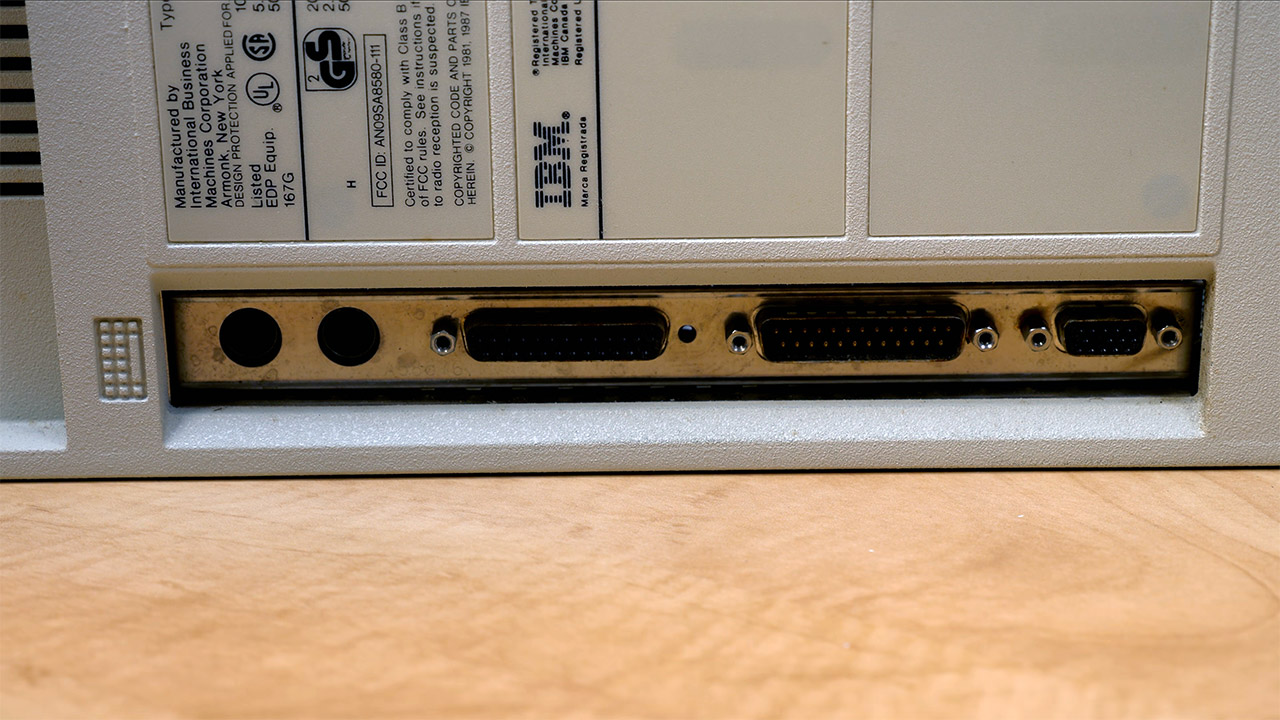
There’s also a connection for an optional 387 math coprocessor, in case you need to do some serious number crunching. Graphics-wise, the system includes the new VGA standard, 640 by 480 in 16 colors or 320 by 200 in 256 colors, which is a significant improvement over the CGA and EGA cards that were previously standard on IBM PCs. And, of course, the keyboard and mouse both use the little circular mini-DIN ports that IBM began employing with the entire PS/2 crew and became a standard feature on motherboards for decades following.
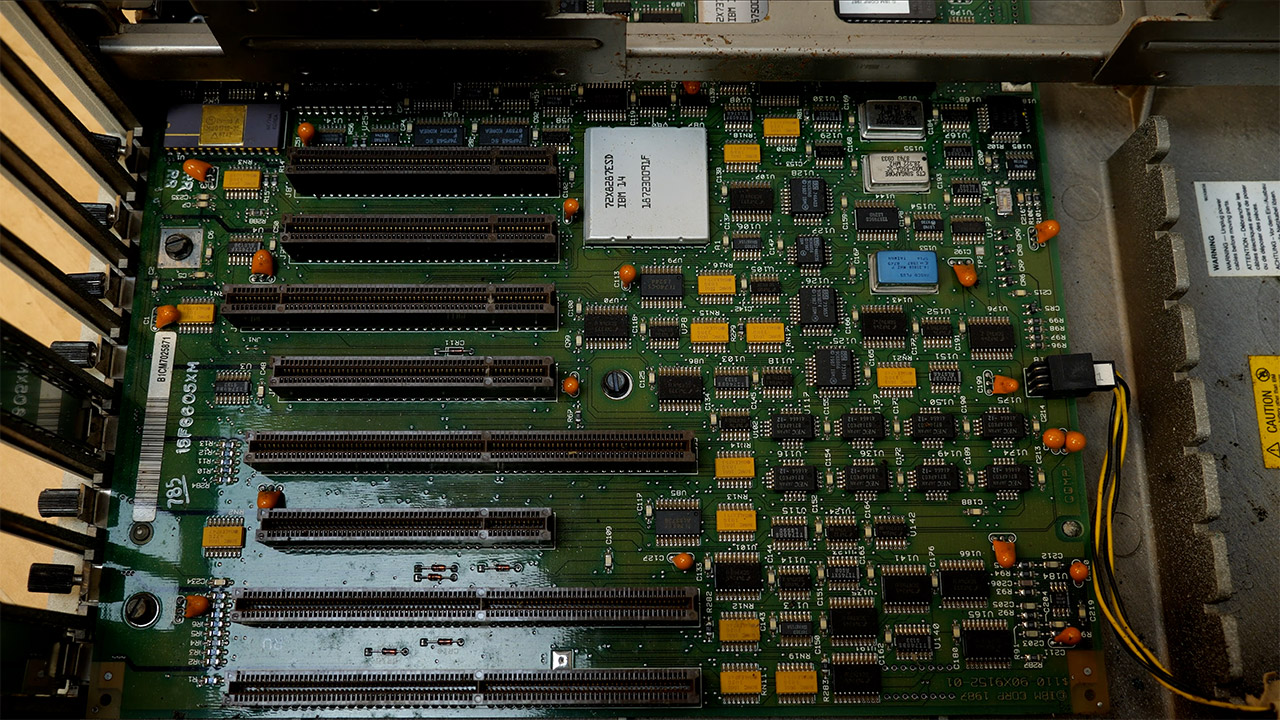
What continues to surprise people is how the expansion bus has grown, or, more specifically, how IBM took it in a new path. They abandoned the traditional ISA slots that everyone was used to and instead developed Micro Channel Architecture. IBM Model 80 includes eight of these slots, three of which are full 32-bit versions. What truly distinguishes Micro Channel is that you don’t need rows of jumpers and switches to configure these cards, as IBM developed a system called Programmable Option Select that allows cards to sort themselves out using software instead.
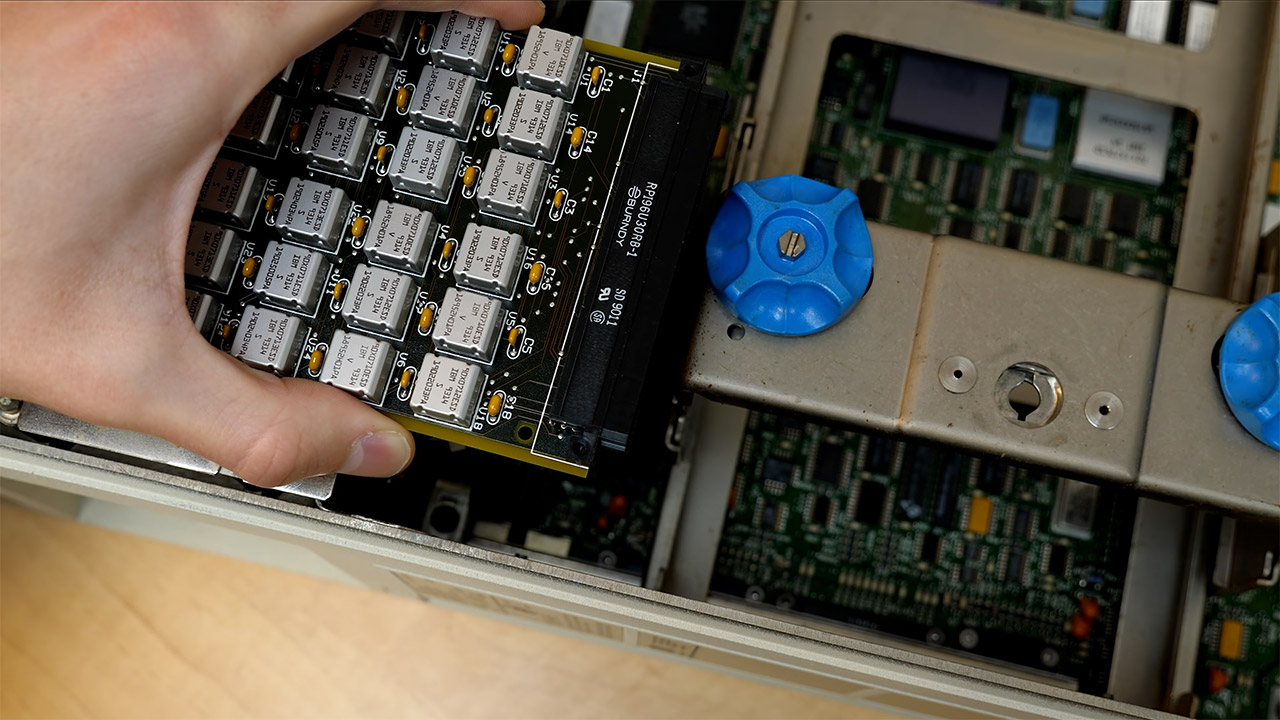
The bus also does a better job of interrupt sharing, allowing certain cards to handle their own data transfers without requiring the main CPU to monitor everything all the time. IBM had hoped that the new design would help them recover dominance of the PC market after years of clones, but most other manufacturers either persisted with the existing bus or made their own extensions to it. As a result, the Micro Channel computers became rather isolated, even though they performed quicker and more consistently in multitasking systems such as OS/2.
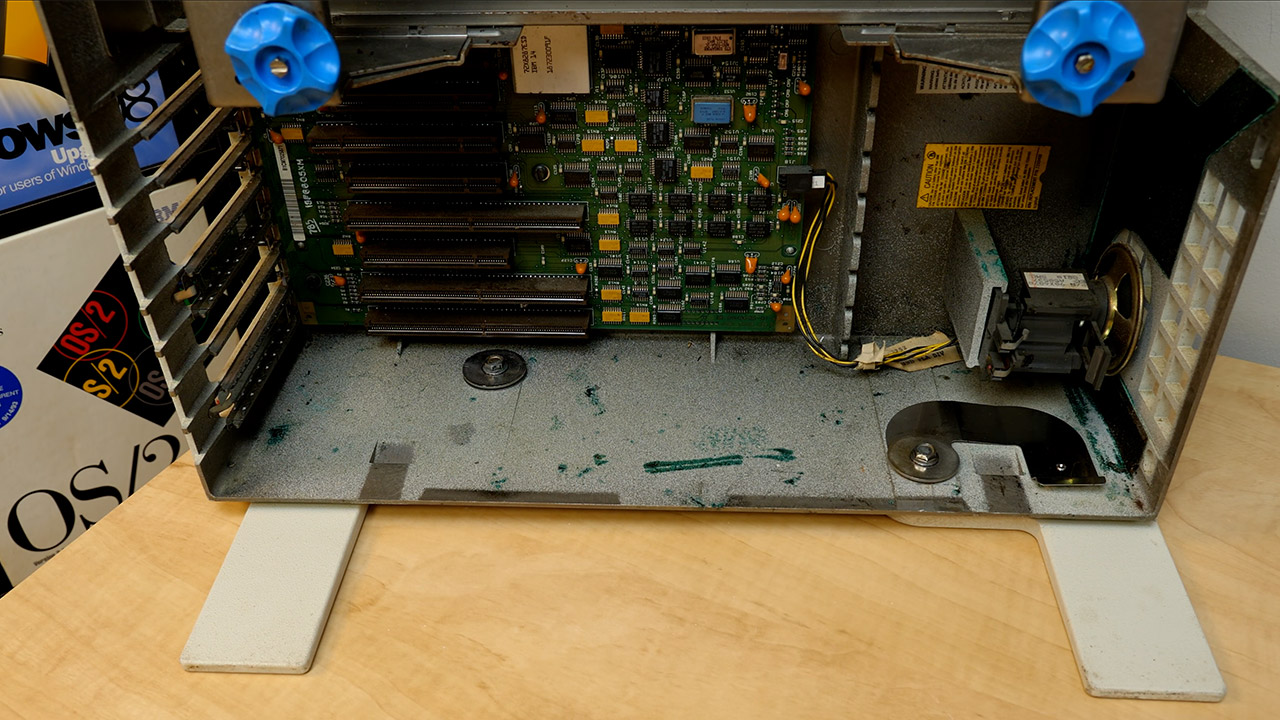
Michael spent a significant amount of time clearing out decades of dust from the case and the inside of the machine before being tasked with removing rust from the feet and drive-bay brackets by soaking them in vinegar to release it. The original memory cards had long since vanished, so he had to get a sealed 2 MB kit online to replace them. Once the power was turned on and the system booted up, it at least recognized the new RAM and passed the basic checks, albeit a long-dead battery still returned the old date and time error, and a dead floppy drive prevented us from even booting properly. Nonetheless, a machine that once cost over ten grand and ended up in the scrap bin has managed to light up nearly 40 years after leaving the manufacturer.