
Photo credit: Windows Latest
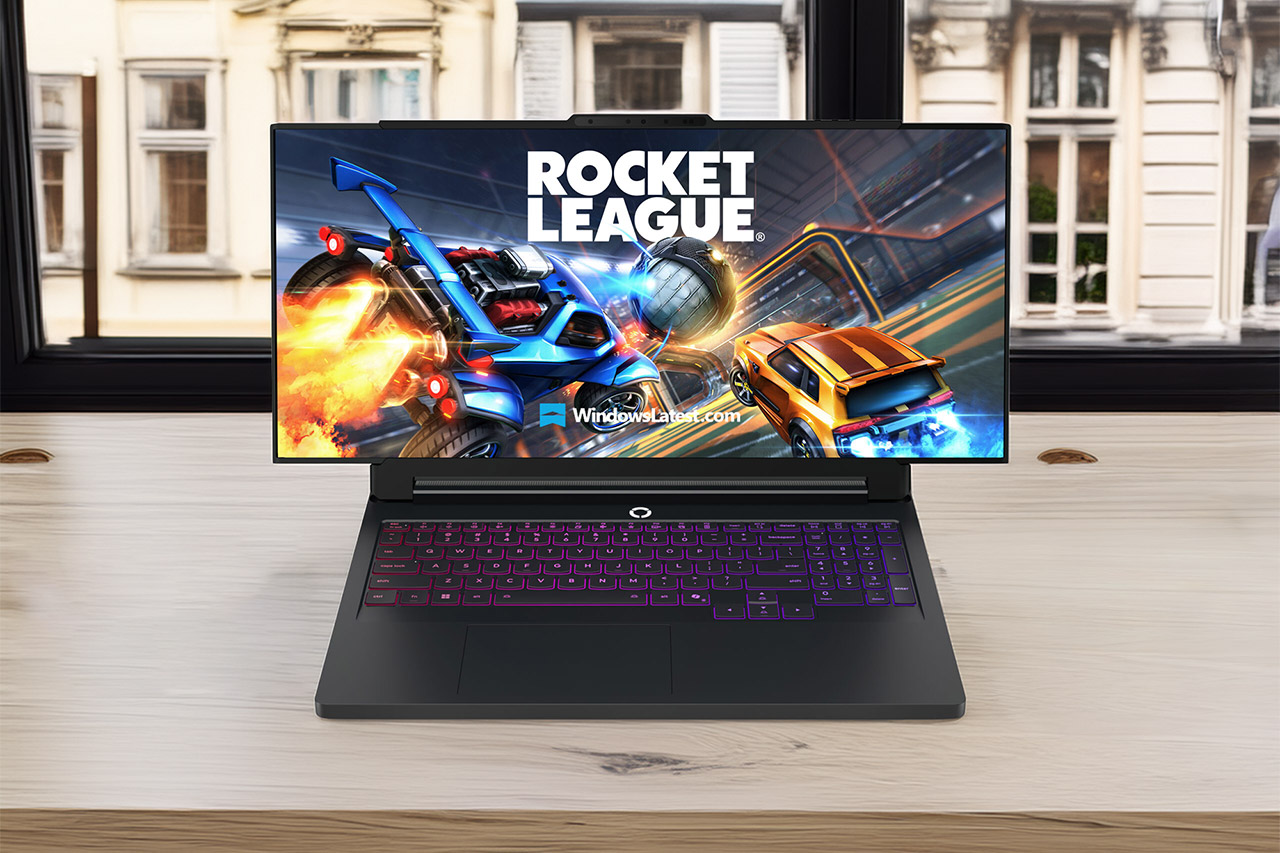
Leaks have a habit of catching you off guard when CES is right around the corner. This time, we’re looking at Lenovo’s Legion Pro Rollable, a gaming laptop that aims to broaden your vision in ways that regular laptops cannot. Official promotional images and internal conversation reveal that it is a device with a screen that rolls out sideways, transforming what would otherwise be a tiny laptop into something much larger.
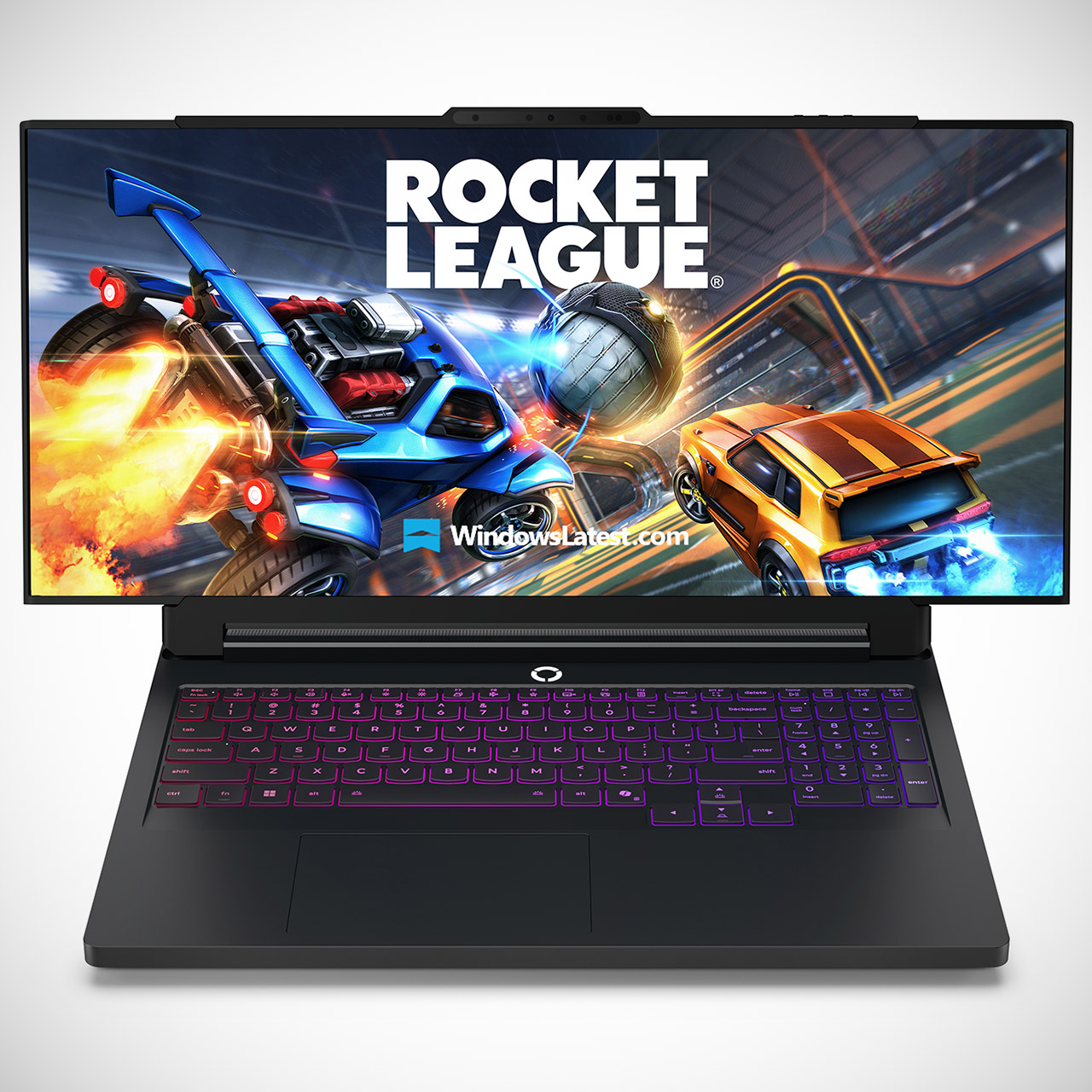
We’re looking at an early 2026 release date, with Windows 11 ready to go and a Copilot key for when you need some AI assistance. Lenovo created this as part of their blisteringly fast Legion line with one objective in mind: to provide every potential advantage to competitive gamers and anyone else who wants to fully immerse themselves in their games.

- XBOX EXPERIENCE BROUGHT TO LIFE BY ROG The Xbox gaming legacy meets ROG's decades of premium hardware design in the ROG Xbox Ally. Boot straight into...
- XBOX GAME BAR INTEGRATION Launch Game Bar with a tap of the Xbox button or play your favorite titles natively from platforms like Xbox Game Pass...
- ALL YOUR GAMES, ALL YOUR PROGRESS Powered by Windows 11, the ROG Xbox Ally gives you access to your full library of PC games from Xbox and other game...
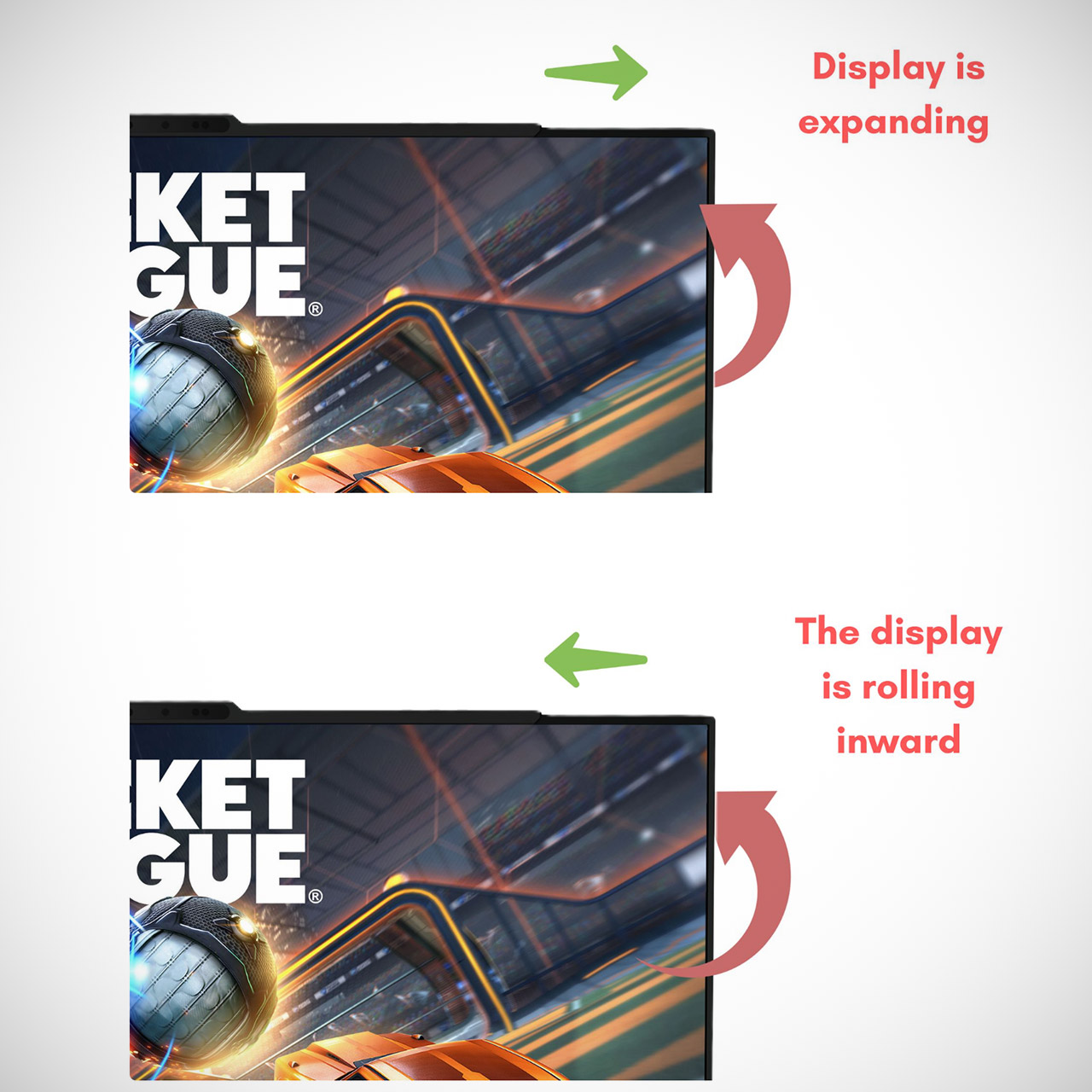
First and foremost, the screen serves as the focal point of this machine. They’re employing flexible OLED technology from the ThinkBook Plus Gen 6, so you know it’ll look good. When you close it, you’ll have a comfortable 16:9 panel roughly 16 inches wide, ideal for everyday tasks or quick gaming sessions. When you press a button, the screen begins to unfold, with motors kicking in and rails sliding out from the corners of the lid as it grows. Suddenly, you’re staring at a 21:9 ultrawide expanse, ideal for sweeping panoramas in games or having two timelines side by side in your favorite video editor. You can expect a silky smooth 120Hz refresh rate, and the way it’s made should allow for thousands of cycles without displaying any indications of wear. The bezels are a little hefty, which is nice because it protects the sensitive screen from being battered around when you stuff the laptop in a bag.
When it comes to horsepower, Lenovo is adopting Intel Core Ultra processors, most likely Panther Lake, that are tailored to achieve a combination of performance and power economy. On top of that, they’ve installed an Nvidia GeForce RTX 50-series graphics card, which can handle all of the complex graphics and high frame rates without hesitation. Memory and storage specifications are yet unknown, but you can bet your boots will include at least 64GB of RAM and lots of SSD space. They’re also beefing up the cooling to keep those long gaming sessions from becoming too hot to handle, combining larger fans and heat pipes in the thicker body to keep things in check. You can expect all of the necessary ports (USB-C, HDMI 2.1, and Ethernet), but the precise number is unknown. As for battery life, it all depends on how you use it. With the screen retractable, you might be able to get through the day, but with the screen out and you’re pushing the laptop to its limits, you’ll need a plug nearby.
Lenovo learned a lot from its ThinkBook sibling, but decided to take the opposite approach with gamers. The previous form expanded upwards for more vertical space, which was ideal for Excel sheets or coding, but a more horizontal structure is more suited to racing games and strategy titles. The concept is to use two rollers, one on each side, to precisely spool out and tighten the ultra thin display panel. The onboard firmware is clever enough to detect snags and halt the process if your finger gets too close or you begin to seal the lid. Consider it a damage-prevention adjustment. In terms of design, modifications have been made such that the crease caused by rolling nearly disappears at most angles, and the entire thing feels rock solid, which is a good thing because you don’t want it to shatter. This is not a delicate prototype; after years of development, its components have been hardened to withstand real-world knocks.
Pricing is expected to be in the premium range, presumably significantly higher than the ThinkBook’s $3,299 price tag, especially given the dedicated graphics and stronger structure. Availability begins after CES, with shipments spreading out throughout the spring. Early adopters are likely to pay a premium for the novelty, but as the technology advances, you can anticipate it to filter down into other companies. Lenovo is framing this as a stepping stone to the future, when flexibility extends far beyond simply bending a screen and truly redefines how we pack power into a portable device.
[Source]