Tag

A Look Back

Browsing

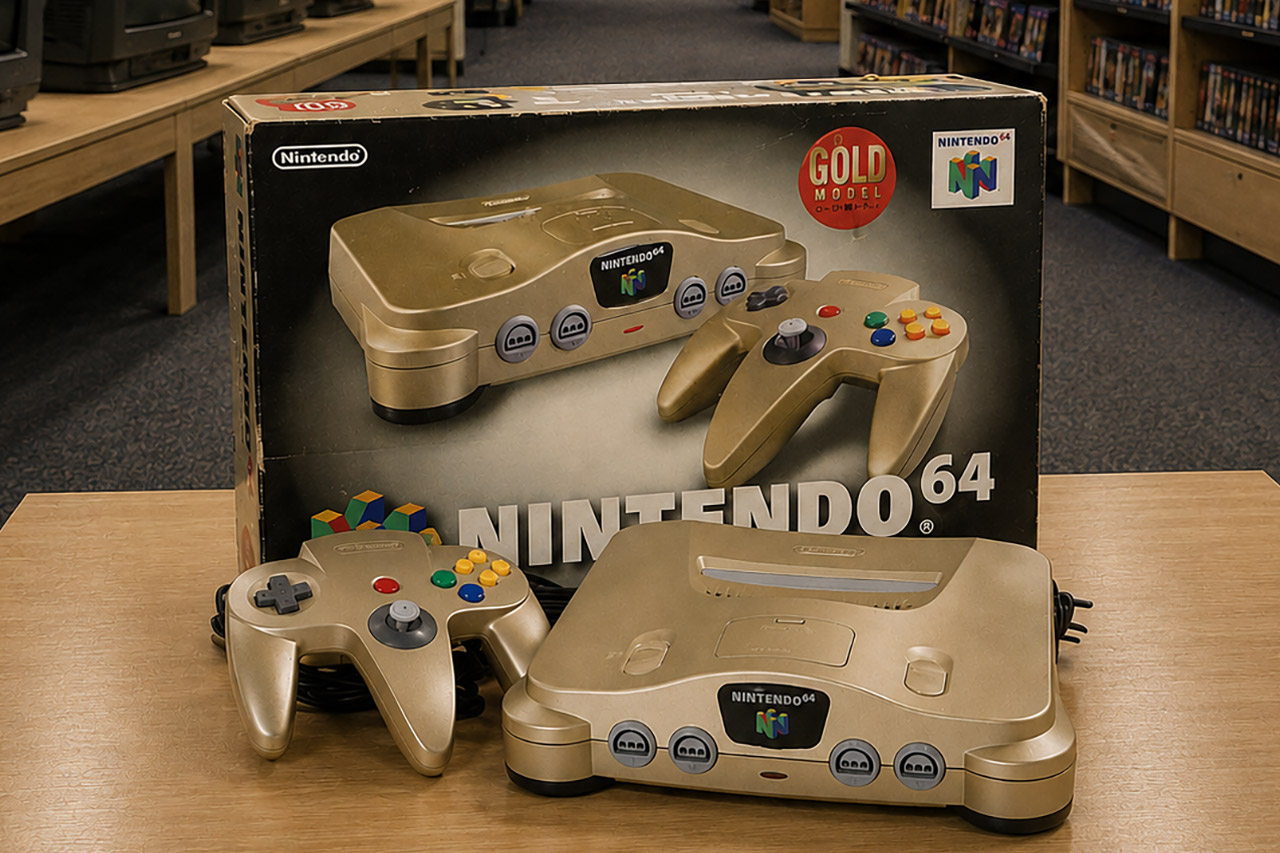
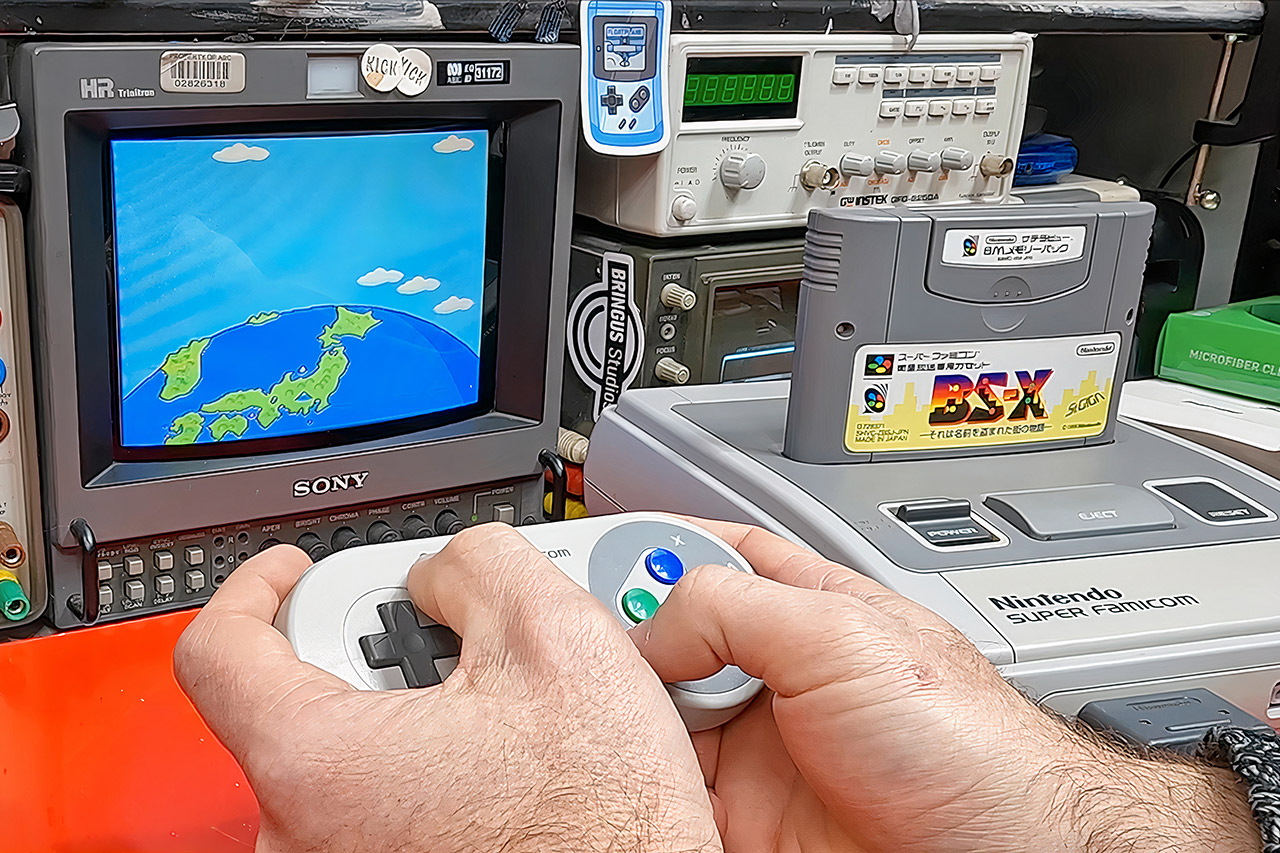
James Channel Nintendo Satellaview Famicom System Lost Game
James Channel spent a recent video staring down a piece of Nintendo hardware that was never meant to last. His question is simple and a little unsettling: does the object in his hands still hold a game the rest of the world no longer has? That question only makes sense if you rewind past Satellaview itself and look at how Nintendo spent the late 1980s turning a living-room toy into a communications box.
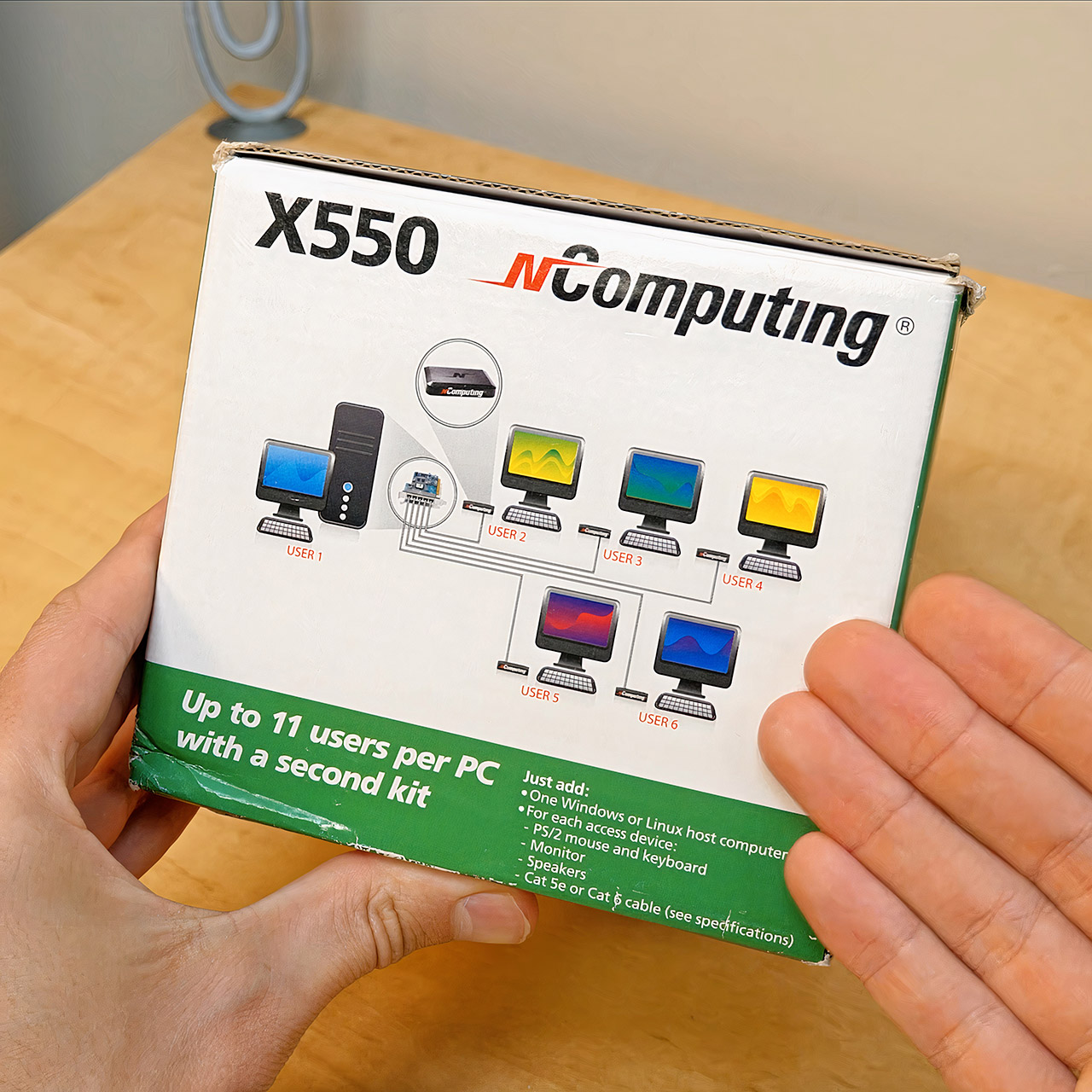
NComputing X550 PCI Card Six Users
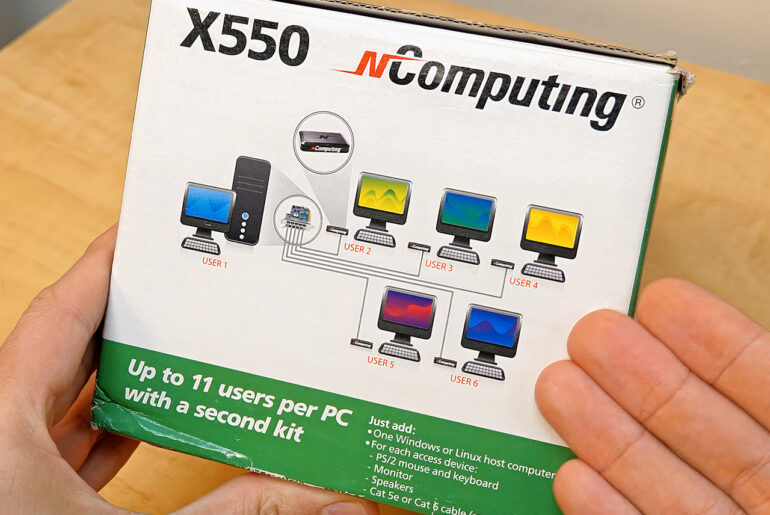
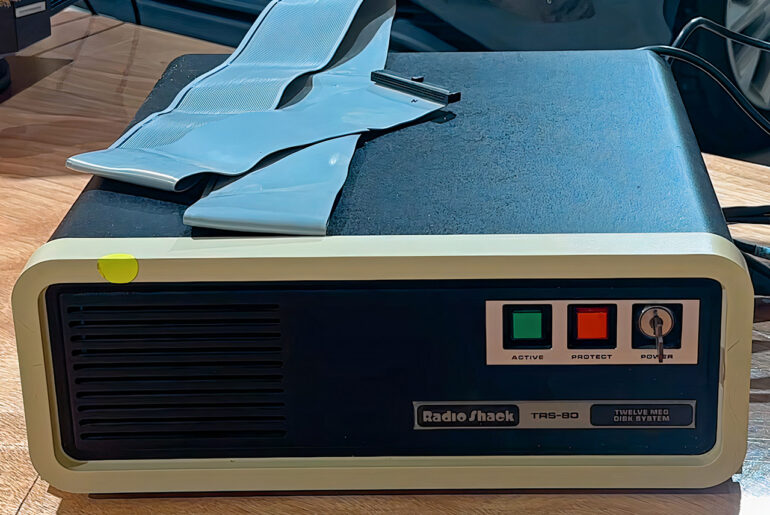
Late in 2008, NComputing boxed a full-height PCI card, five palm-sized terminals, and a disc of vSpace software and sold the kit as the X550 for $449. One kit added five extra seats to a single desktop. Seat six stayed on the host itself, so six people could work at once, each with a private monitor, keyboard, mouse, and speakers. A second kit in a second PCI slot pushed the same tower to eleven sessions.

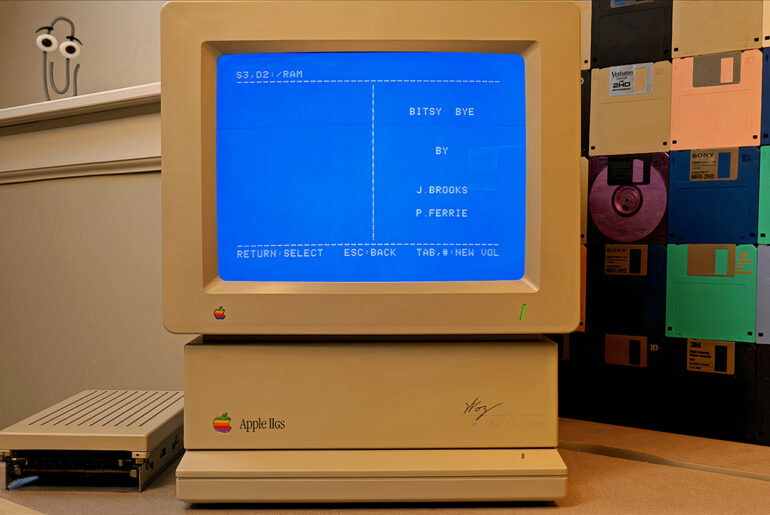
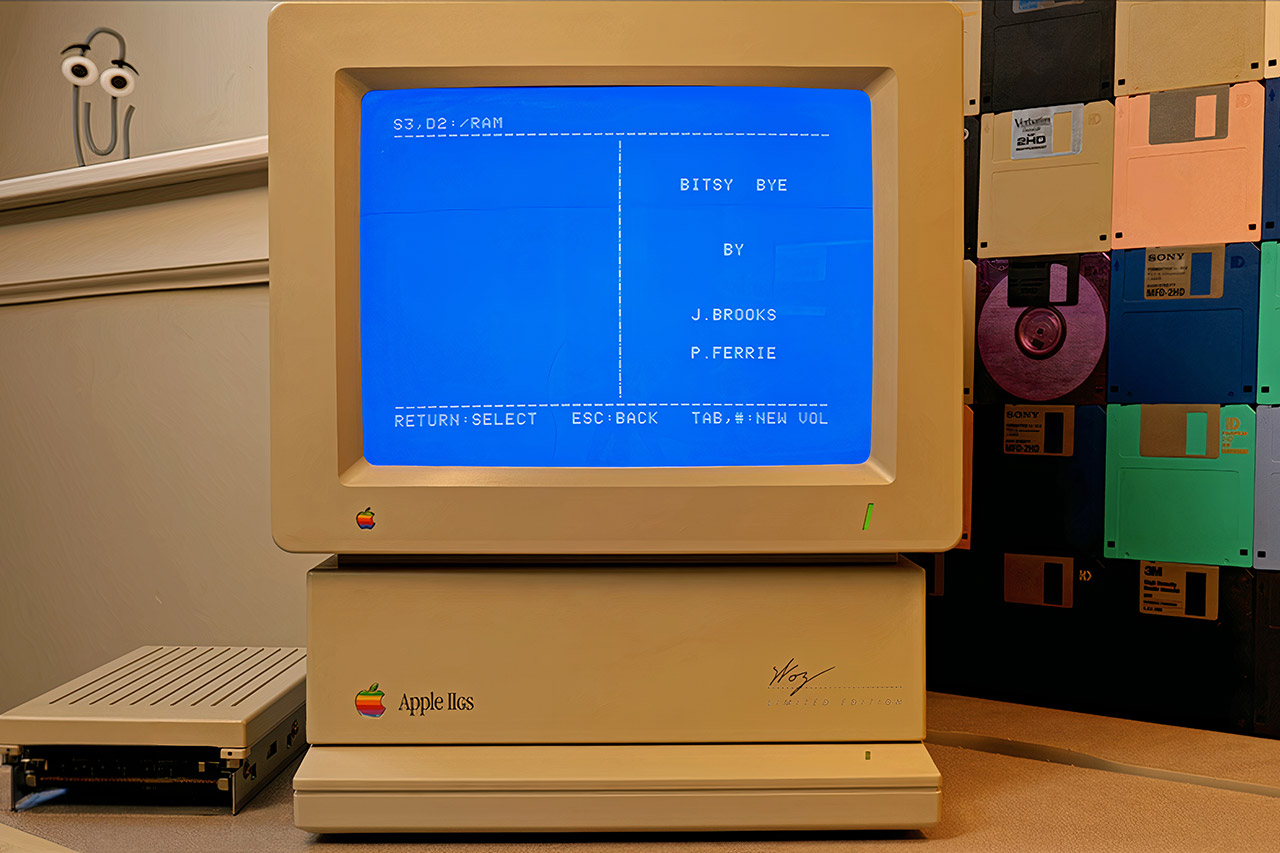
Apple IIGS Forgotten Operating System GS/OS
Most people who remember personal computers from the late 1980s think first of the Macintosh and its clean black-and-white interface. Apple had already shipped something that looked and behaved a lot like it, only this version ran in color on a machine that still carried the Apple II name. That system was GS/OS, and it arrived in 1988 as the heart of Apple IIGS System Software 4.0.

BBC Tomorrow's World Wide Web 2000
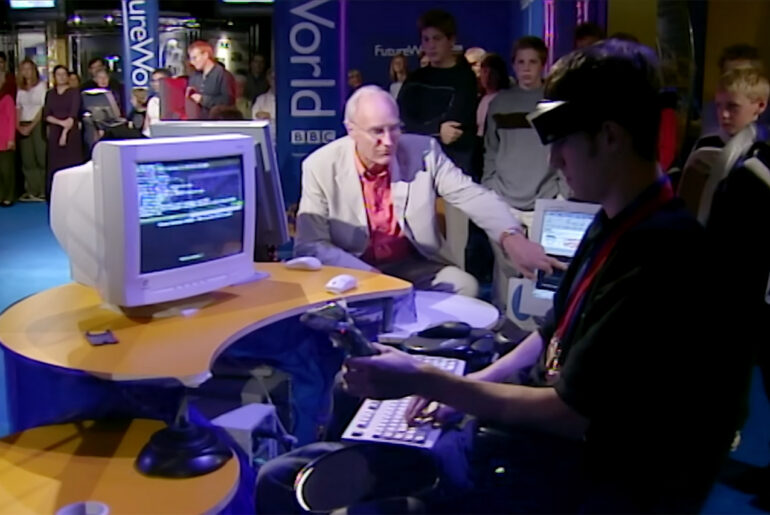
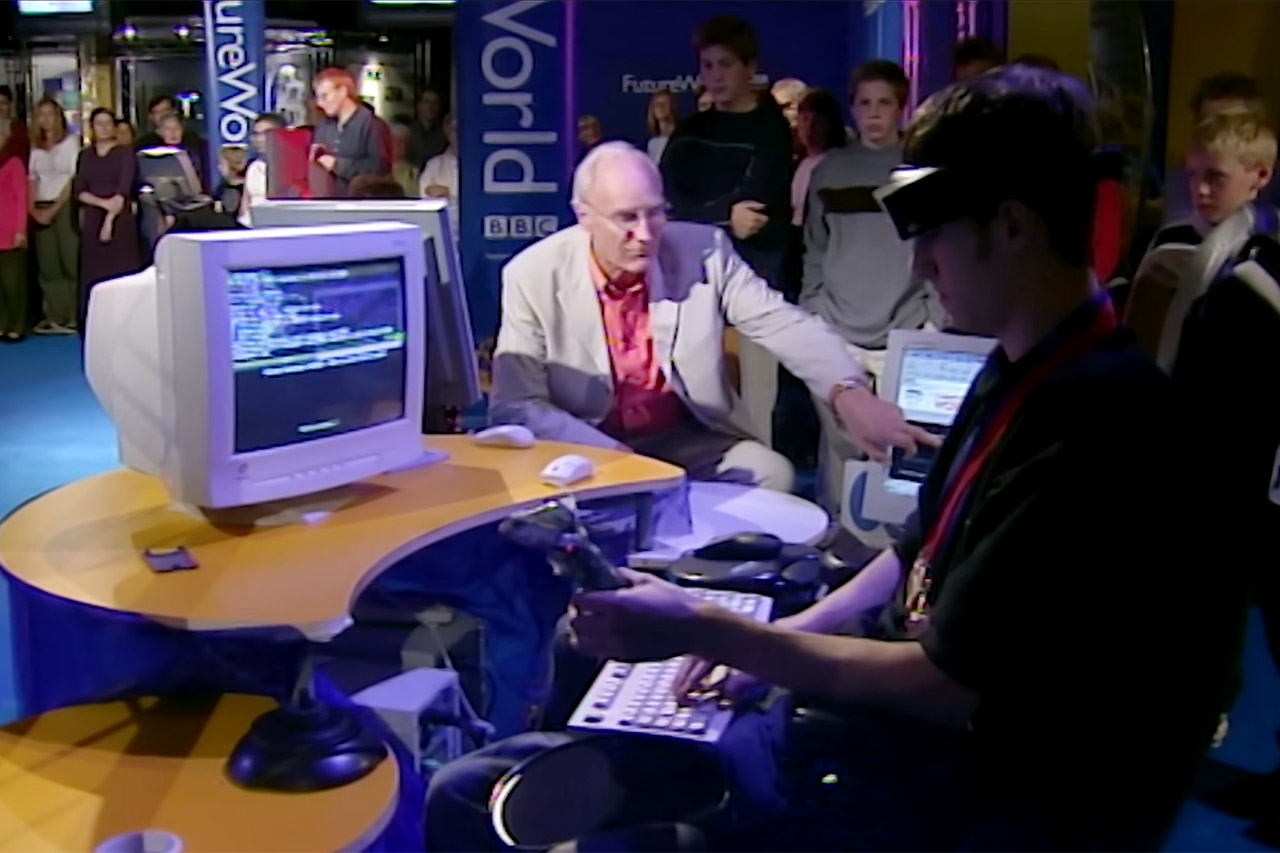
Peter Snow and Lindsey Fallow opened their special edition of Tomorrow’s World with a simple greeting from the BBC Futureworld exhibition in Bristol. This was a Webwise special meant to give viewers a practical head start on the internet. More than 330 million people were already online around the planet, and new users were joining every second. The live show mixed demonstrations of new hardware and software with challenges for ordinary families still getting their bearings.

Digi-Comp 1 Mechanical Computer 1963
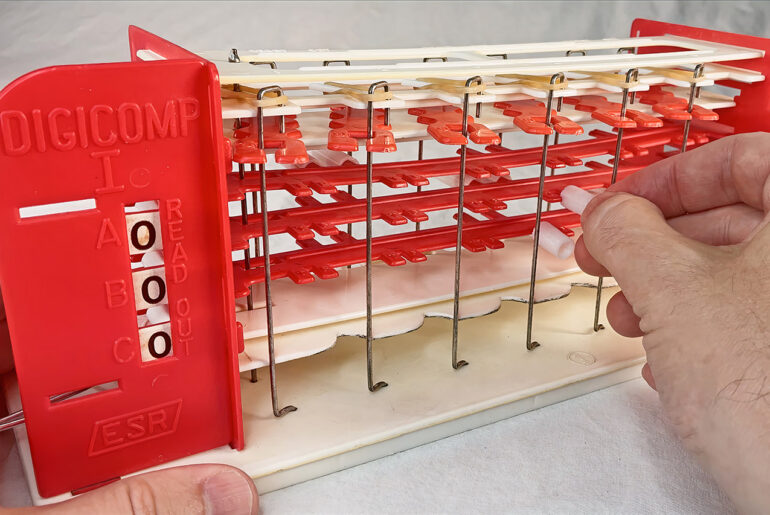
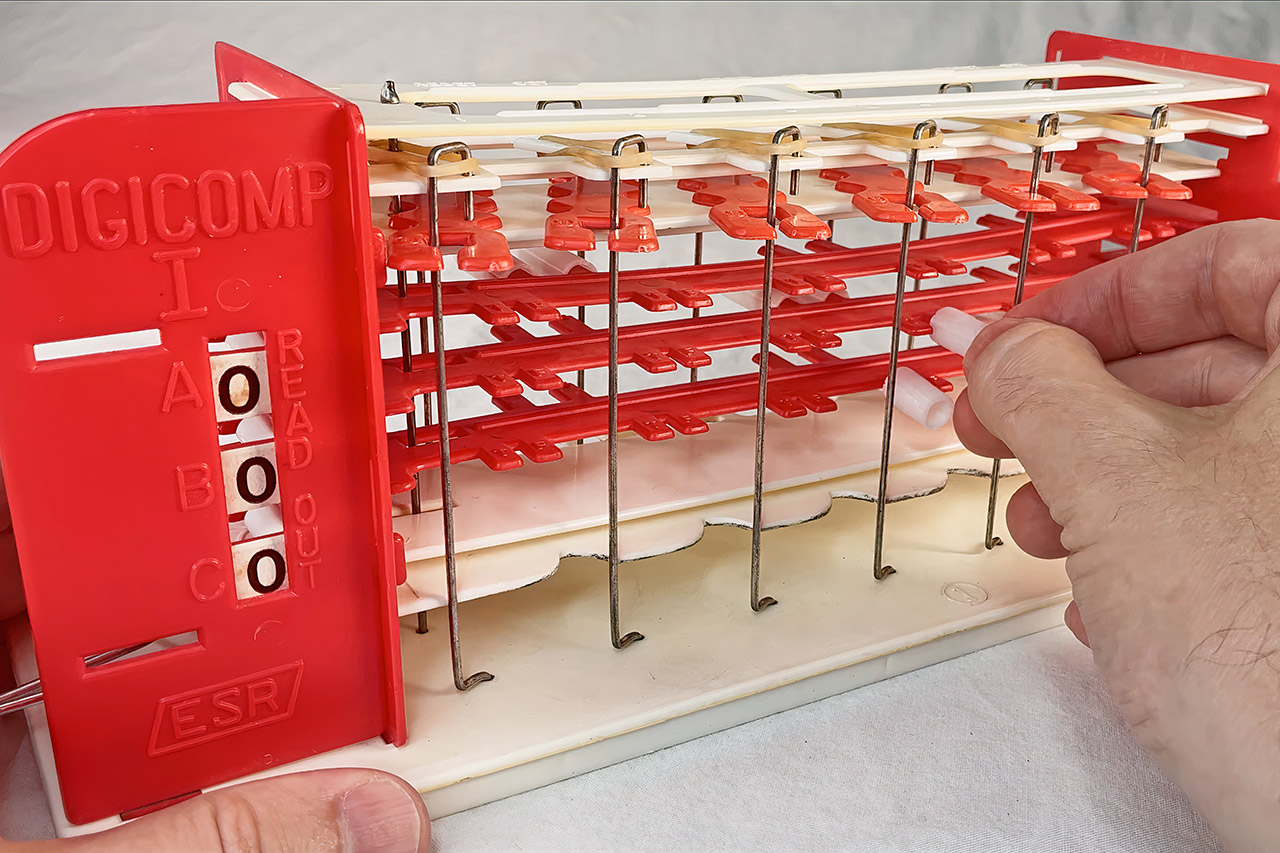
In 1963 a kit of red and white polystyrene plates, stiff metal rods, rubber bands, and short plastic tubes sold for $4.99 ($54.45 today) and assembled into a working digital computer. Three small windows on the front face displayed binary digits as either 0 or 1. A white lever marked “Clock” stuck out from the right side. Pushing that lever fully inward and then drawing it back out advanced every calculation by one step. No batteries or power cord were required. All motion came from the user’s hand and the tension stored in the rubber bands.

IBM 7496 Executive Workstation Prototype Restoration
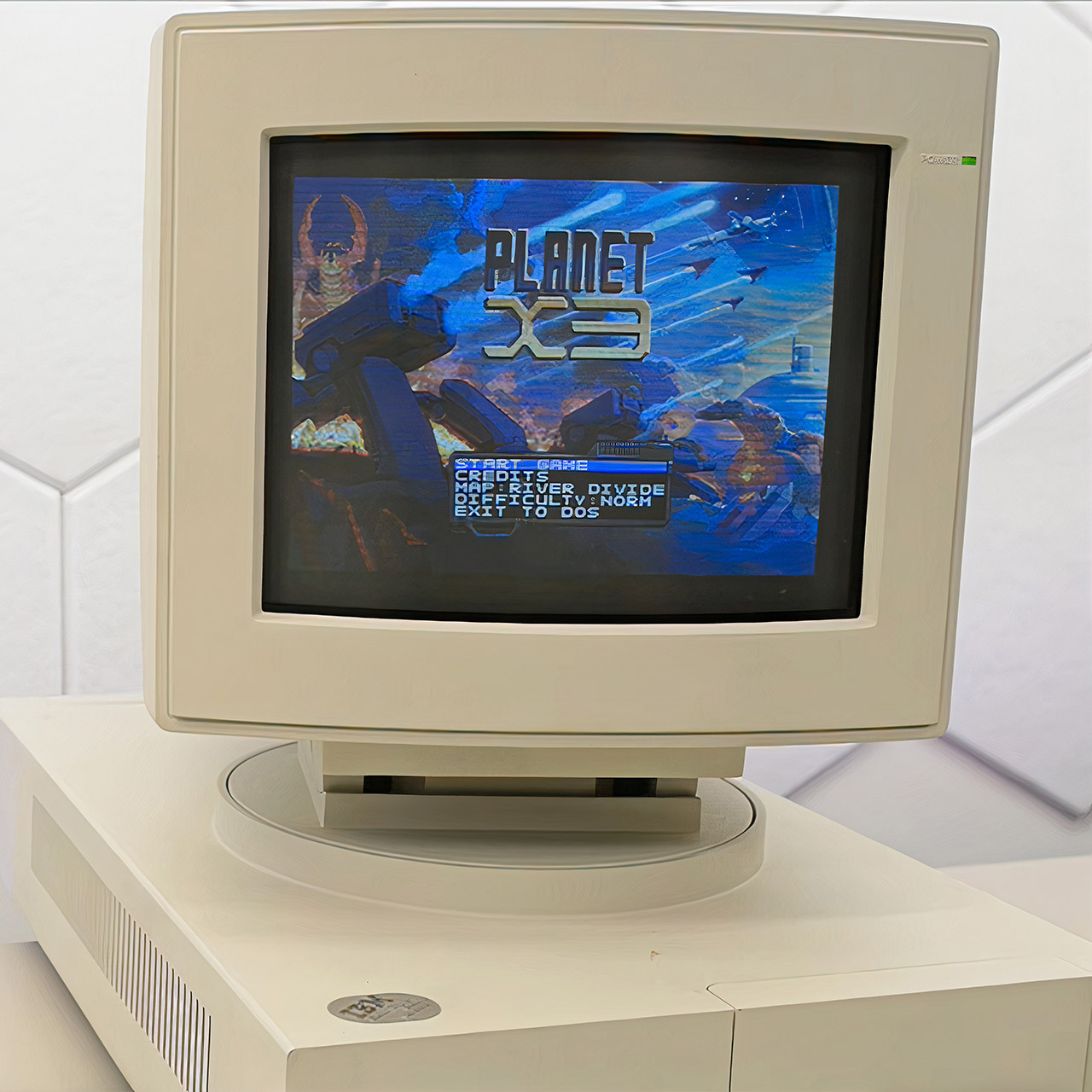
Most people have never seen one. Most never will. Yet a compact computer from the late 1980s, stamped with an IBM type number almost no one recognizes, has drawn a small circle of restorers into years of careful work. Roman of Epictronics recently finished another round of repairs on one of them, the IBM 7496 Executive Workstation, turning a once-dead machine into something that boots, stores files, and even plays period sound.