Tag

Animals

Browsing

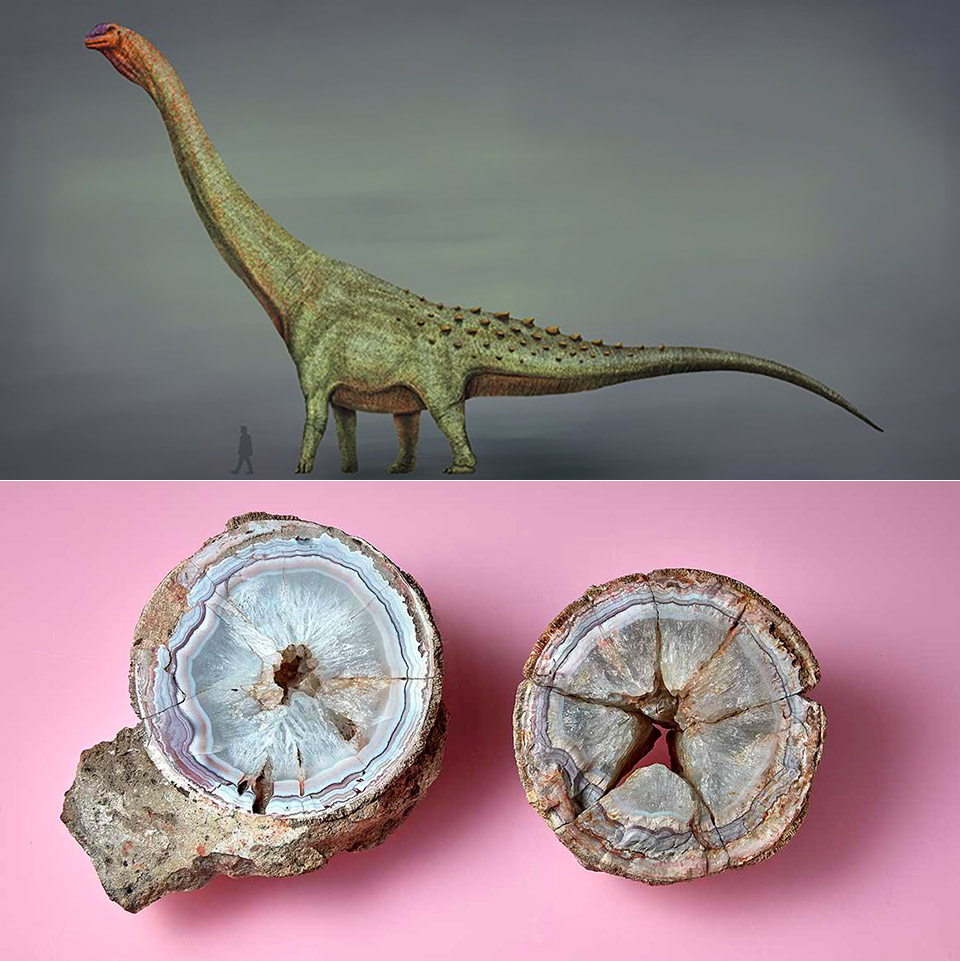
London Natural History Museum Rock Dinosaur Egg
A rock containing agate that was first classified in 1883 at London’s Natural History Museum is actually a 60-million-year-old dinosaur egg. Researchers found that the eggshell’s shape and surface were consistent with those of titanosaur eggs from China and Argentina. Despite being the largest land animal to have ever existed, the titanosaur laid large clutches of around 30 to 40 small eggs at a time.

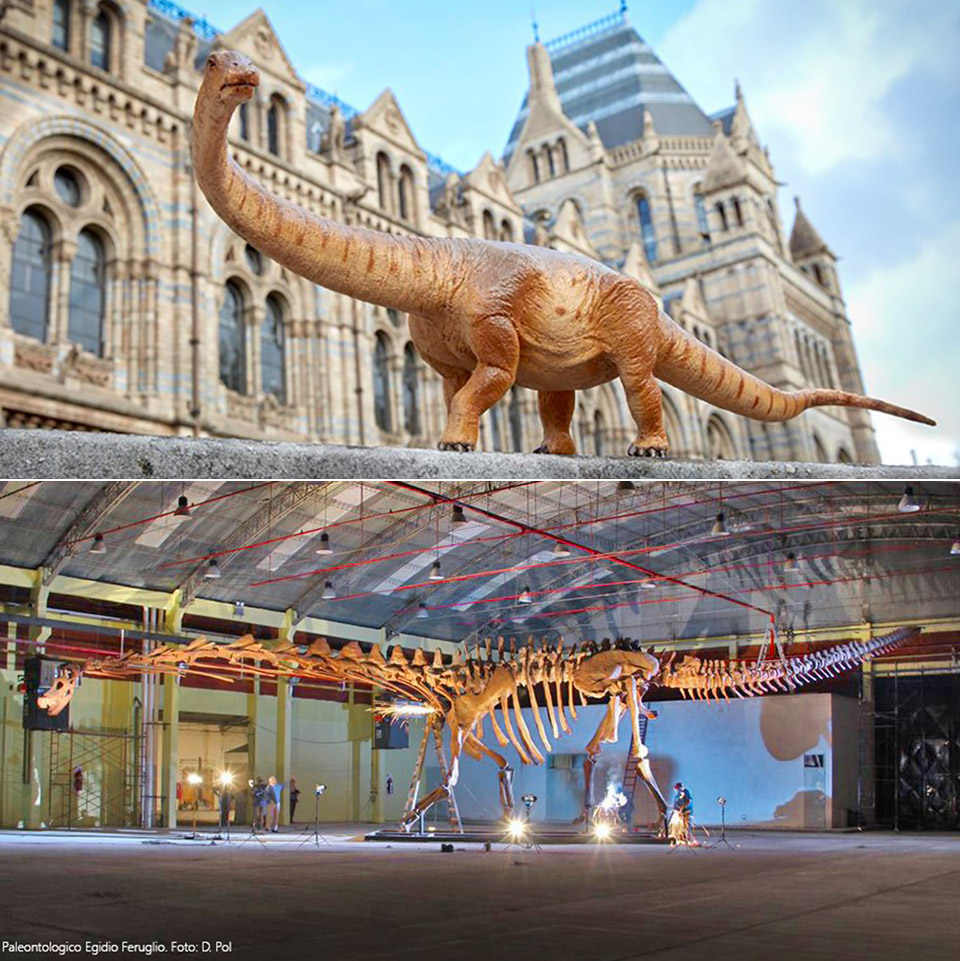
Titanosaur Largest Dinosaur Patagotitan Mayorum London Natural History Museum
Photo credit: Patagotitan, Museo Paleontológico Egidio Feruglio (MEF) D.Pol
Titanosaur, the world’s largest known dinosaur, goes on display at London’s Natural History Museum in a fun interactive exhibition. Guests will be able to touch, feel and walk beneath the 2.67-ton cast of this 122-foot-long beast, all the while learning how it could have survived as well as thrived on Earth.

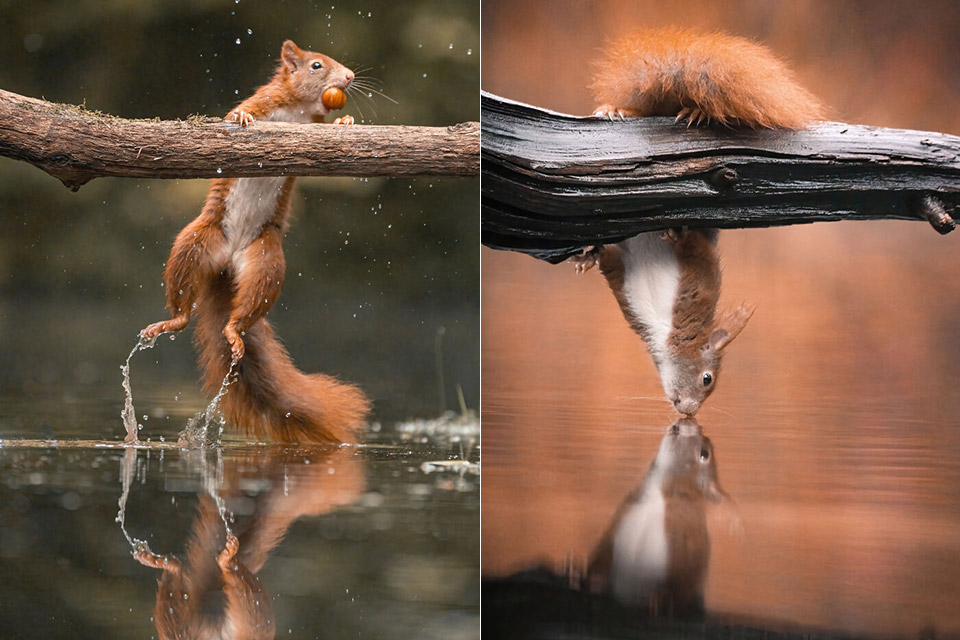
Niki Colemont Belgium Squirrels Photography
Photo credit: Niki Colemont
Niki Colemont, a talented photographer from Genk, Belgium, specializes in capturing acrobatic red squirrels at the perfect time and place using a Nikon Z9 mirrorless camera as well as a Nikon Z6 II lens. These extremely flexible animals have super-flexible ankles, which allows them to easily hang upside down from trees, while their swiveling ankle joints help them climb.

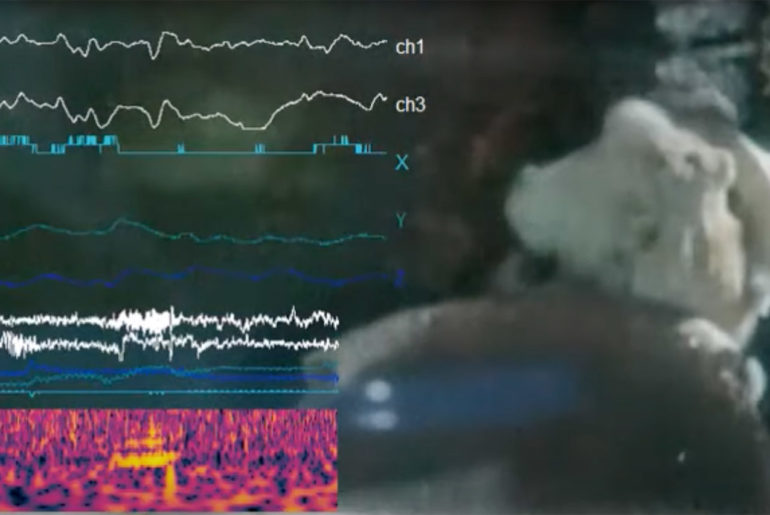
Brain Wave Activity Octopus
You’ve seen the giant Pacific octopus that loves hugs, now check out scientists recording the brain wave activity from a freely moving octopus for the first time ever. This is a technical challenge because unlike vertebrates, octopuses have soft bodies, so they do not have skulls to anchor the recording equipment onto to prevent it from accidentally coming loose.

New Stream Frog Hyloscirtus Tolkieni JRR Tolkien
Photo credit: Juan Carlos Sanchez-Nivicela
While not as tiny as Brachycephalus Brunneus, Hyloscirtus Tolkikieni, a new stream frog species, was named after English author and Lord of the Rings creator J.R.R. Tolkien. It was discovered in Ecuador hiding around the streams of Río Negro-Sopladora National Park and measures 2.5-inches (63.5 millimeters) long.

Biohybrid Robot Real Mouse Muscles
There are robotic arms with realistic artificial muscles, and then this biohybrid robot that uses real mouse muscle tissue and LEDs for real-time control. Technically speaking, it utilizes mouse muscle cells overlaid on soft 3D-printed scaffolds and wireless LED chips for remote control. The light emitted from the LEDs stimulate the mouse tissue, which begins moving the scaffolding.