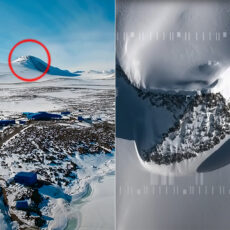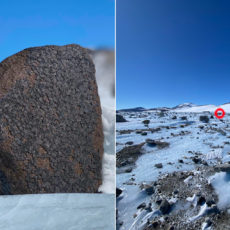
Deep Robotics sent a modified version of its compact Lynx S10 robot on a research vessel bound for the Arctic Ocean. The goal was straightforward. Engineers wanted to see how the small machine would handle real polar conditions that humans approach with extreme caution. The prototype completed its mission and became the first quadruped robot to step onto Arctic Ocean ice floes.
Given its size and capabilities, the standard Lynx S10 stands out. Even with the battery fitted, it weighs less than 20 kg, allowing one person to transport it to the field and get it up and running quickly. The robot’s sixteen precision joints enable it to fold and twist into tight locations that larger robots cannot access, such as rubble and narrow tunnels. On flat terrain, it moves at 8 meters per second. Furthermore, it can clear obstacles up to 50 cm tall, transition between rolling on wheels and walking on legs as the terrain becomes more difficult, and even rise into a bipedal position when extra height is required.

- 3 IN 1 TOY FOR KIDS – LEGO Creator 3 in 1 Fierce Shark with a Treasure Chest (31381) building toy lets boys and girls ages 8 years old and up...
- BUILD & REBUILD – Kids can dream up endless stories as they create 1 of 3 brick-built sea creatures: a shark with a treasure chest, an anglerfish or...
- POSABLE SHARK TOYS – The shark model has a posable mouth, body, side fins and tail fin, the anglerfish toy can move its mouth, side fins and tail...
Four ultra-wide-angle cameras with high dynamic range lenses, as well as front and rear LiDAR units, feed into a next-generation omnidirectional perception system for clear vision. The robot can generate maps, select paths, and avoid obstacles on its own. That’s because the machine is built to withstand a beating; its IP66 rating guarantees dust, rain, and heavy fog will not knock it down. And it will continue to function in temperatures ranging from -20 to 55 degrees Celsius. The battery life easily exceeds 3 hours, and if the power runs low, the robot can find and travel to a charging station on its own. The effective payload capacity is slightly more than 8 kilograms, with a maximum structural load of 120 kilograms.
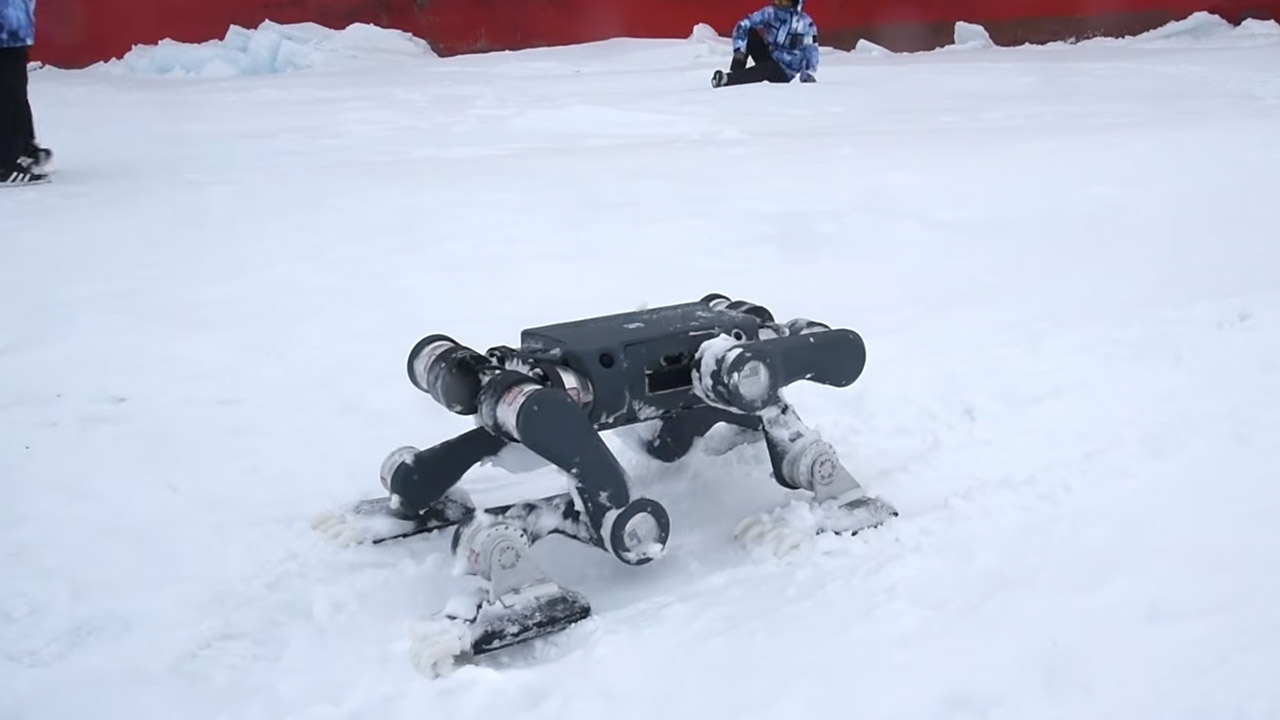
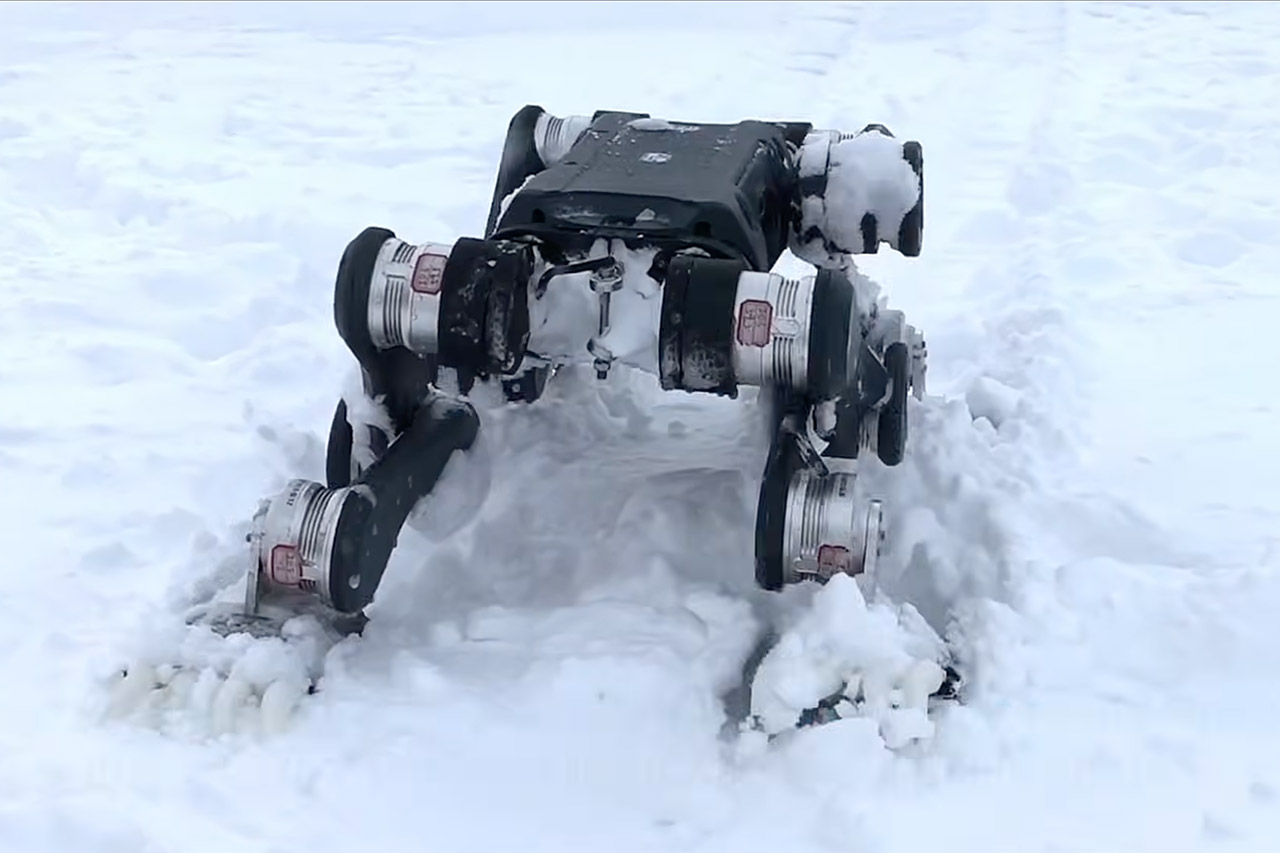
When the Lynx S10 was dispatched on the Arctic expedition, the team made a few particular changes. They replaced the standard wheels with large biomimetic paws resembling polar bears’ broad soles. Anti-slip patterns were added to the contact surfaces to promote grip, and crampons provide the robot with extra traction on firm ice. They also tightened the seal on the body to fulfill the IP67 standard. In certain cases, they even increased the surface area of the limbs, allowing the legs to operate as paddles while the robot wades through mixed ice and water.
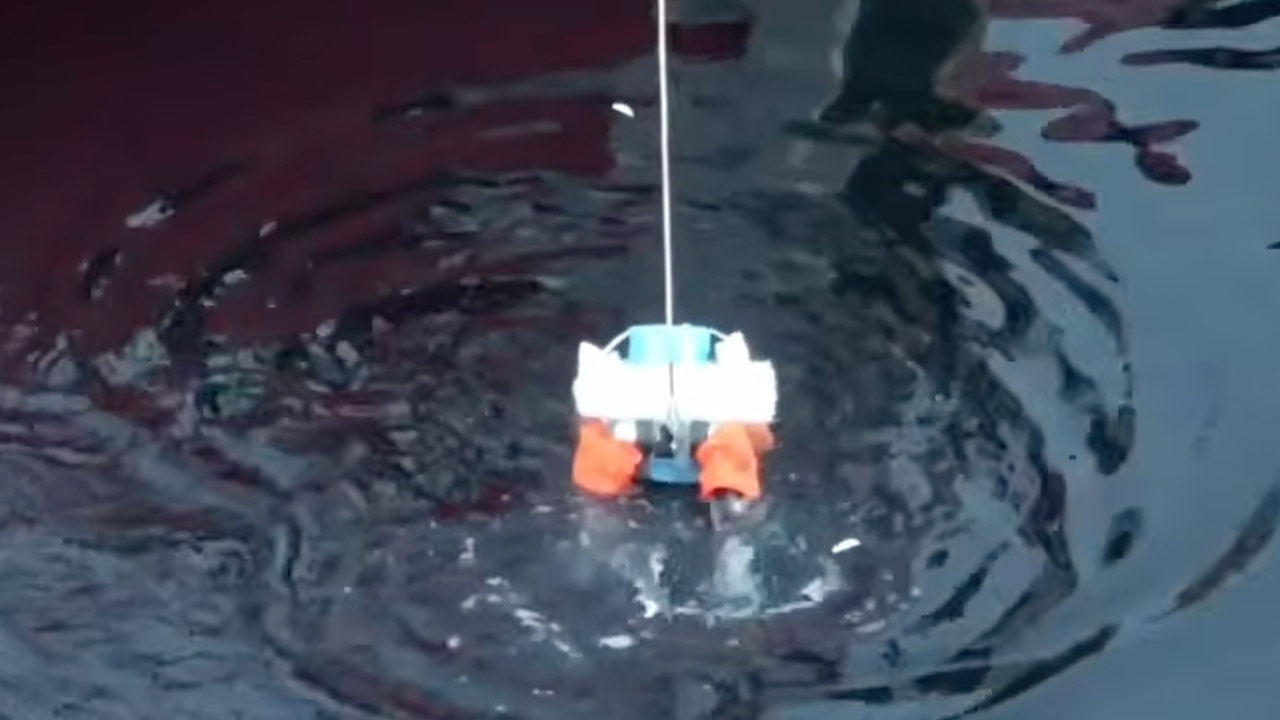
The studies tested this robot’s boundaries, as we were dealing with snow that periodically masked pools of melt water capable of swallowing a person or a machine whole. The bear-paw feet and crampons kept the robot firmly planted as it crawled and walked over slick, low-friction terrain. There was even one case where the machine simply glided over terrain that appeared solid but was actually sitting on a hidden water pocket. Later studies moved into zones with ice and water mixed together, and the robot’s improved legs simply carried it through the muck.
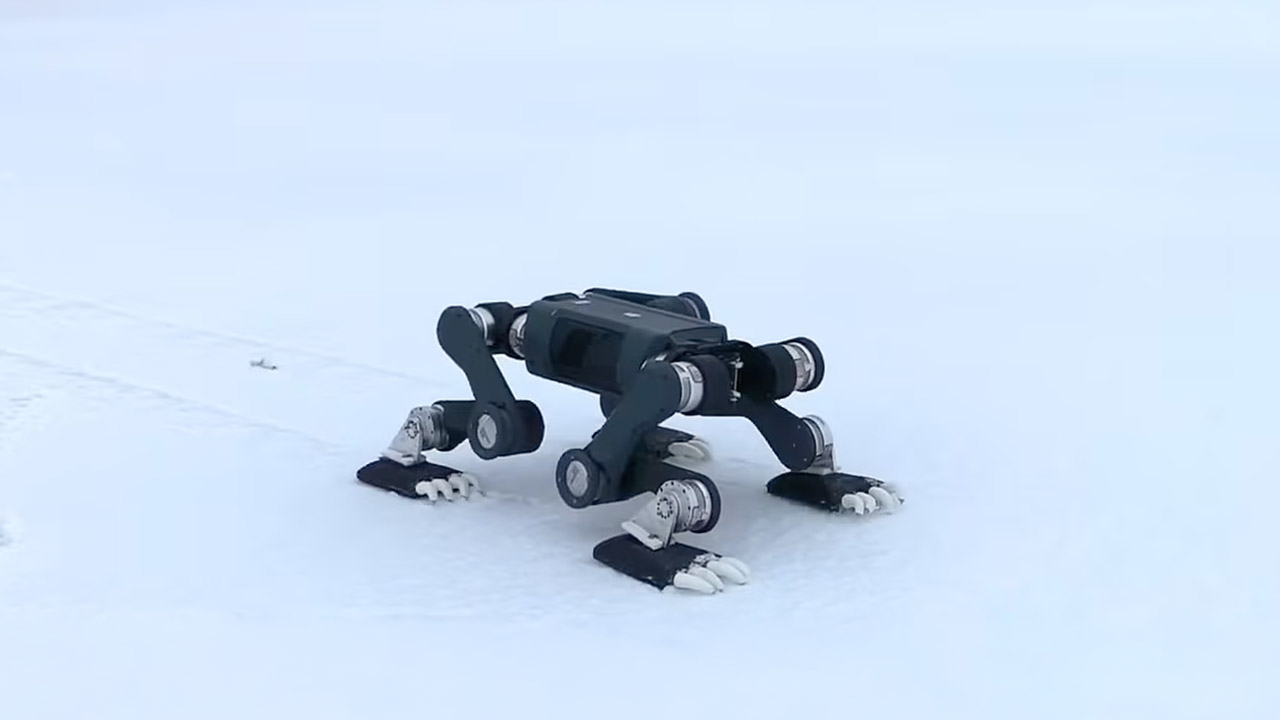
Now, these runs were more than just a publicity stunt, because the Lynx S10 prototype is still in development and was in alpha when it went on the trip. Deep Robotics worked with professionals at Sun Yat-sen University, Westlake University, and Hangzhou Dianzi University to create the best paw design and control algorithms. Every time the robot stepped on the ice or paddled across the icy water, the crew learned more about its balance, traction, and performance in freezing conditions.