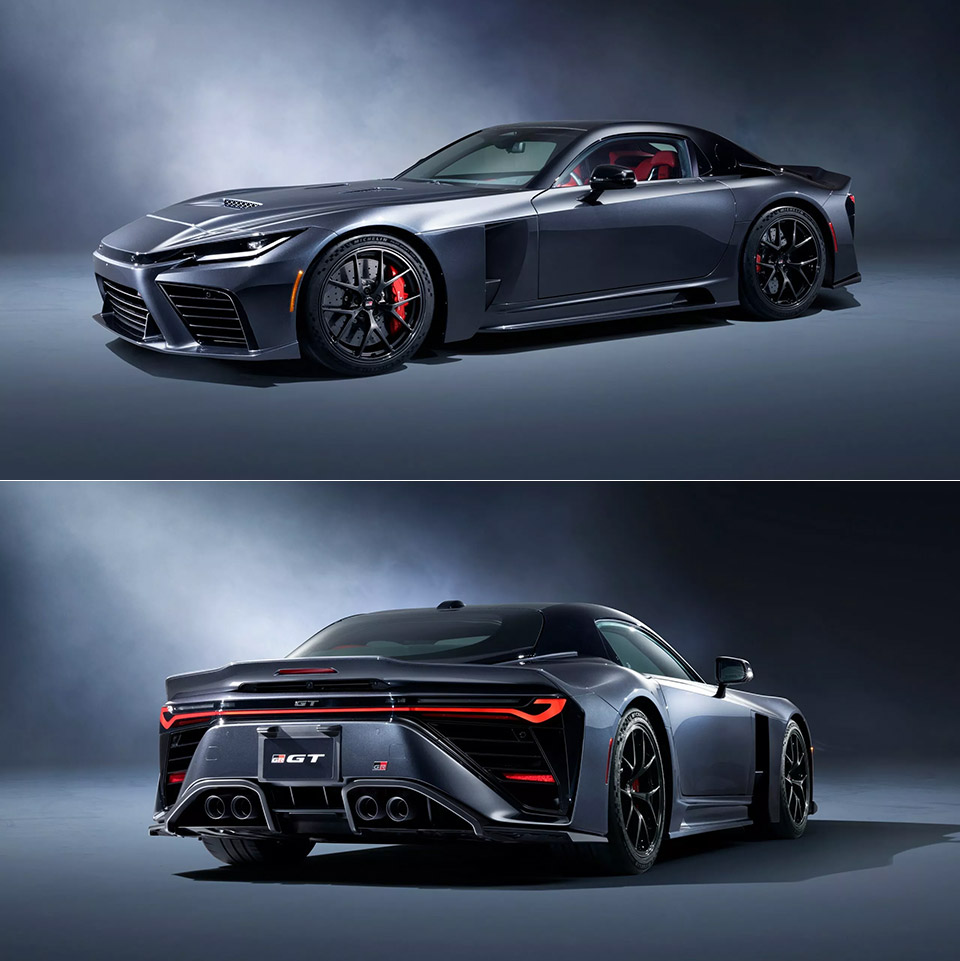
Toyota has recently revealed details about the GR GT, a two-seater that appears to be straight out of the company’s performance playbook. A front-engine supercar at a time when Toyota’s Gazoo racing squad has spent years fine-tuning cars like the Supra and GR Yaris, the GR GT takes it to the next level. It strikes a balance between being able to drive to the stores and having enough grip and speed to necessitate the presence of a nearby track.
The development of the GR GT began with a simple goal: create a car that will make you feel linked to the driver the moment you put your hands on the wheel. Engineers worked closely with professional drivers, and they even received comments from Toyota’s Chairman, Akio Toyoda, who also serves as chief test driver. He and his engineering team tested the prototypes on circuits like as Fuji Speedway and the Nürburgring, breaking them down, patching them up, and starting over. That hands-on approach helped design a vehicle that will still get you to work on a Monday morning without selling you out on a hot lap. The ultimate result weighs only 3,858 pounds, which the team deserves credit for achieving using an all-aluminum frame (which is the first time Toyota has employed it as a full body structure).

- TOY CAR MODEL KIT– Boys and girls ages 9 and up create thrilling movie action by building one of the most iconic cars in movie history with the LEGO...
- FAST AND FURIOUS CAR – Fans will be delighted by the LEGO Toyota Supra sports car toy, which is packed with realistic details and authentic movie...
- ACTION-PACKED FEATURES– Builders assemble the 6-cylinder engine, steering, opening hood and removable Targa top roof, then recreate favorite Fast...
The GR GT measures 189.8 inches long, 78.7 inches wide, and 47 inches tall, with a 107.3 inch wheelbase that keeps it rooted on the ground. These dimensions result in a significantly lower stance, even lower than a Porsche 911 GTS or a Corvette E-Ray. Wide flared fenders and a lengthy bonnet extend out front, while the back tapers down to some delectable quad exhaust tips disguised under diffusers. Side vents direct airflow for cooling, and a modest rear spoiler provides some downforce without going overboard. Carbon fiber panels are used to reduce weight, and the entire thing rides on 20-inch wheels with Michelin Pilot Sport Cup 2 tires, 265/35 in the front and 325/30 in the back, for added traction.
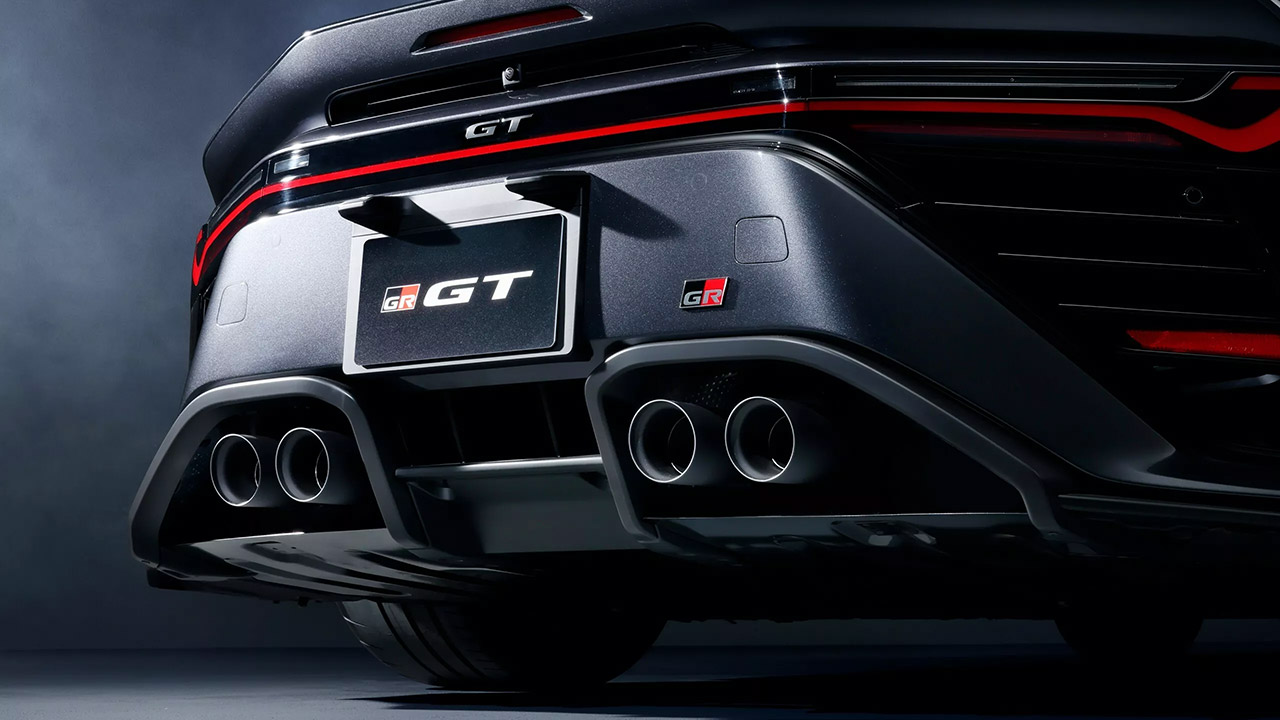
Power comes from a brand new 4.0L twin turbo V8, the first hot-V arrangement Toyota has ever built, and it’s rather sweet. There’s also a single electric motor mounted to the rear transaxle to smooth things out and increase low-end performance. Overall, they say you’ll get (at least) 641 horsepower and 627 pound-feet of torque, but I’ve heard hints it could go higher before it ever hits the market. It’s all routed through an 8-speed automatic transmission that, unlike most other automobiles of its type, uses a wet start clutch to shift gears precisely. A carbon fiber driveshaft link is bolted in the middle, with a limited slip differential at the back to get all that power down.
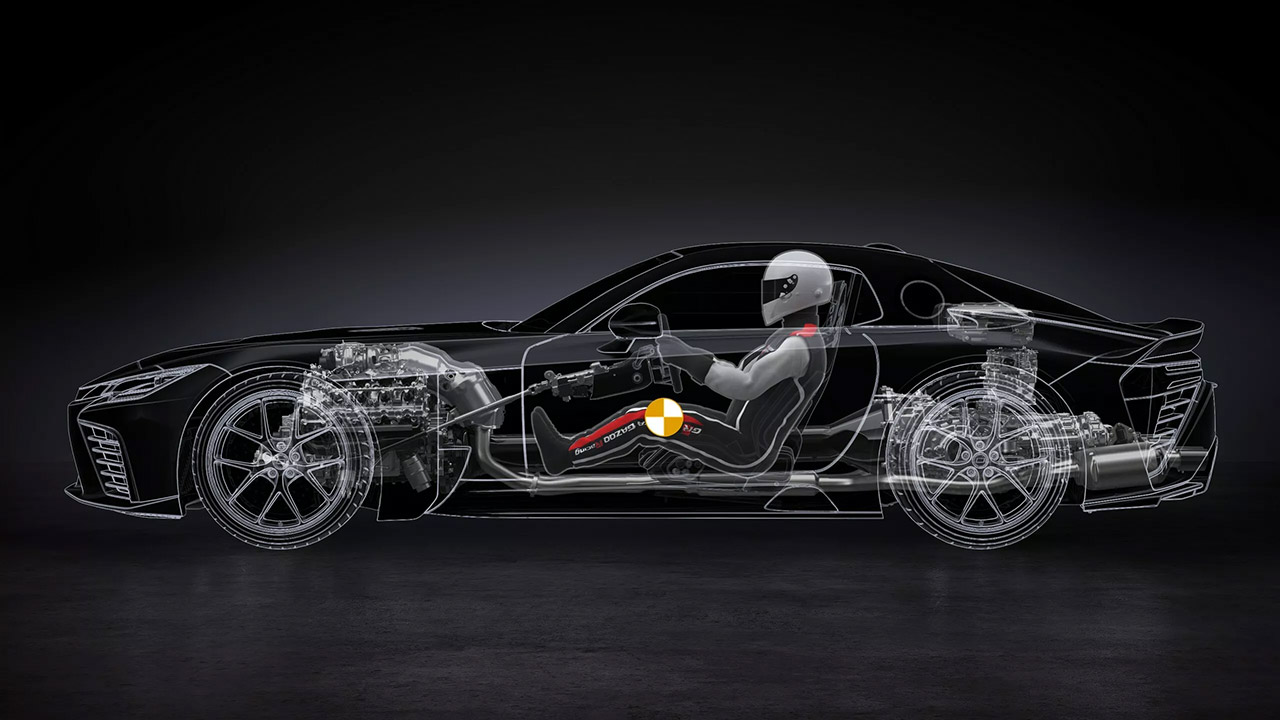
A double-wishbone suspension system is used at all four corners, and the forged aluminum arms provide a particularly sensitive steering feel. Brembo carbon-ceramic brakes deliver a powerful punch and are linked with stability settings that allow drivers to choose how much assistance they want, with options to fit everything from smooth highways to high-risk courses. The weight distribution is balanced at 45% in the front and 55% in the back, which is just enough to reduce understeer without sacrificing cornering stability. When developing this car, the engineers prioritized aerodynamics, thus every detail, including the hood vents and underside, was fine-tuned in the wind tunnel to save valuable seconds.
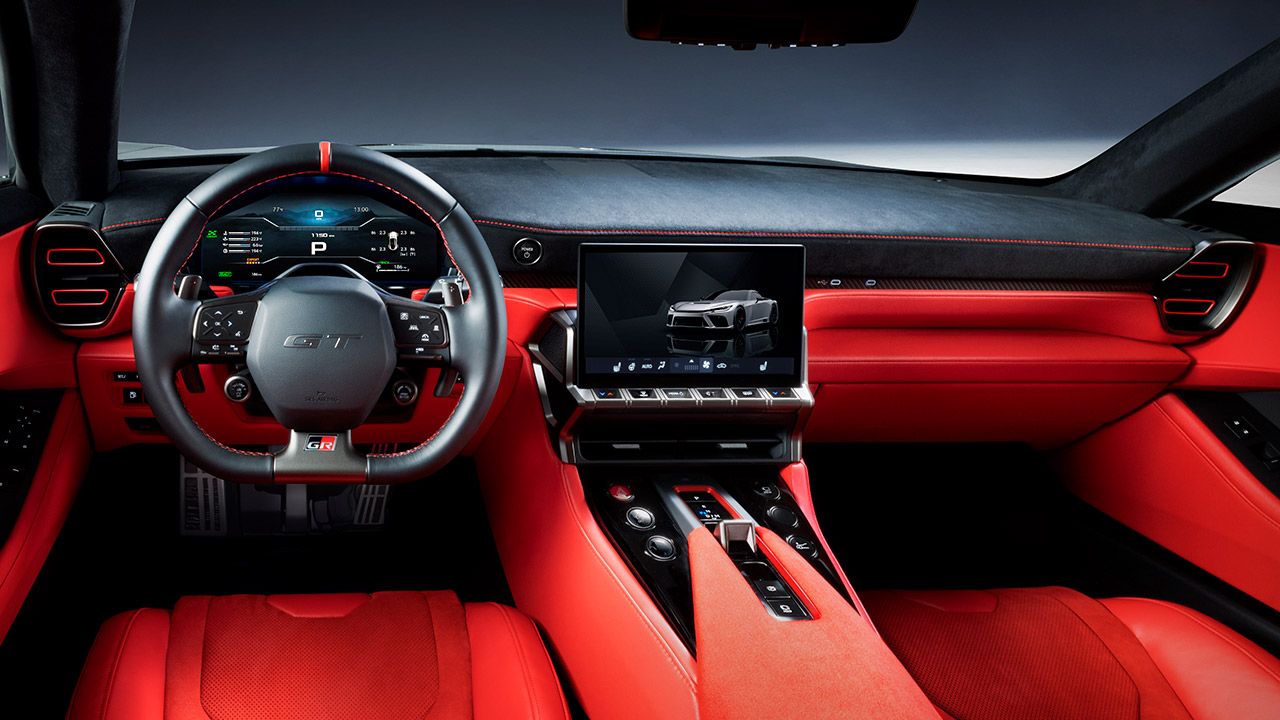
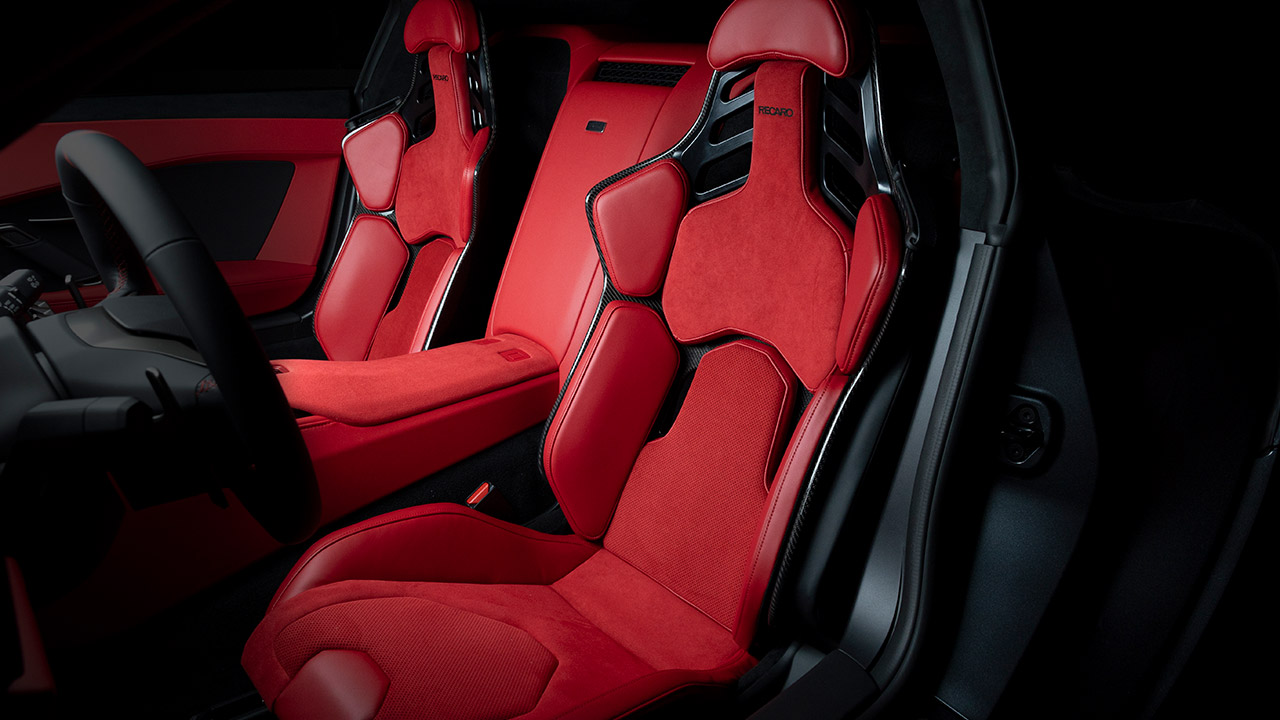
Inside, you’ll find two Recaro bucket seats, half in red leather and half in Alcantara, making you feel like you’re right in the middle of the action. The low-slung windshield and short pillars provide excellent visibility, which is especially important when lining up for a tight bend on a racetrack. The steering wheel, which has GR branded on it for good measure, is nestled right up close to you, allowing you to reach the paddle shifters and buttons without having to fumble around for too long. The digital gauges are the perfect size for scanning rapidly, with gear position and shift points highlighted in bold. There’s a center screen for infotainment, with no frills and a simple layout that does the job.
Production is scheduled to begin around 2027, and while precise figures have yet to be determined, this prototype certainly sets a high standard.