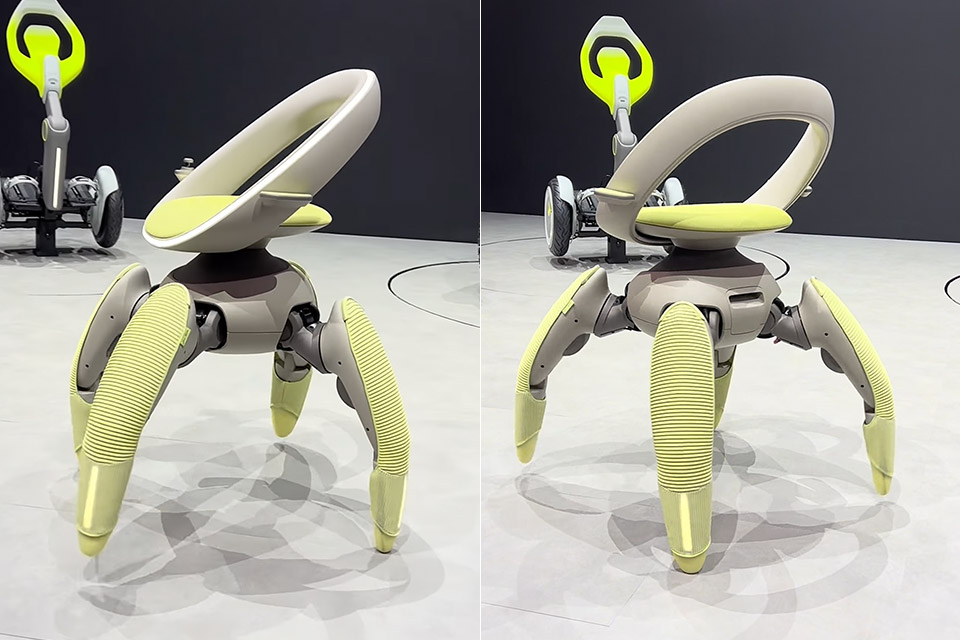
Toyota parked Walk Me, a stylish grey seat on four lime green robolimbs, in the heart of the Japan Mobility Show. Everyone was left wondering how the manufacturers of the bullet-proof vehicles had ended up developing a chair that can kneel, climb stairs, and pack itself into a suitcase.
Start with the legs, which are essentially long, soft-skinned tentacles loaded with motors and sensors. And they all move independently, so when one leg raises, the other establishes a foothold, and the third bends down to determine the next step. On flat flooring, it glides along very easily in this four-step pace. When it comes to stairs, however, the front legs climb first, then test the height before carrying the entire thing up, while the back legs push its weight. And it appears kind of alive because the developers basically imitated the way goats move on rocks. They spent months recording animals and then put them into code.

- TOY CAR MODEL KIT– Boys and girls ages 9 and up create thrilling movie action by building one of the most iconic cars in movie history with the LEGO...
- FAST AND FURIOUS CAR – Fans will be delighted by the LEGO Toyota Supra sports car toy, which is packed with realistic details and authentic movie...
- ACTION-PACKED FEATURES– Builders assemble the 6-cylinder engine, steering, opening hood and removable Targa top roof, then recreate favorite Fast...
Sit down in the chair, and it will change shape to fit you. The backrest is curved and hugs your spine, and the side arms have small handles that you can grab and twist left or right to drive the device. Press a button or simply say “kitchen” and the computer will map you a course. The entire system is outfitted with camera and LiDAR sensors that scan the room for obstructions and redirect if a rug edge or stray toy gets in the way. And if the floor is one of those old Japanese tatami mats, the legs will just squat down, leaving the seat kissing the mat. Need to get inside a car? The chair will lift itself up on tiptoes, align with the car door, and tilt you forward so you can just walk into the footwell – no need for a transfer board or any help, everything is quite seamless.
Then there’s the bit where you fold everything up. When you press the button, the legs telescope in on each other, the knees bend, and the ankles tuck under. Thirty seconds later, it’s folded into a carry-on size, ready to be stowed in the Prius trunk or placed beside the sofa. Tap again, and the legs all snap back out, lock into place, and merely do a brief balance check. Then it just sits there waiting for you to tell it what to do.
Toyota claims that a small battery hidden behind the seat will provide enough power for a full day of shopping and other activities, but they refuse to provide specific figures. To charge it, simply plug it into the wall overnight. As long as everything is working well, sensors monitor all of the joints, and if one of the motors overheats, the chair will simply shut down and text you.
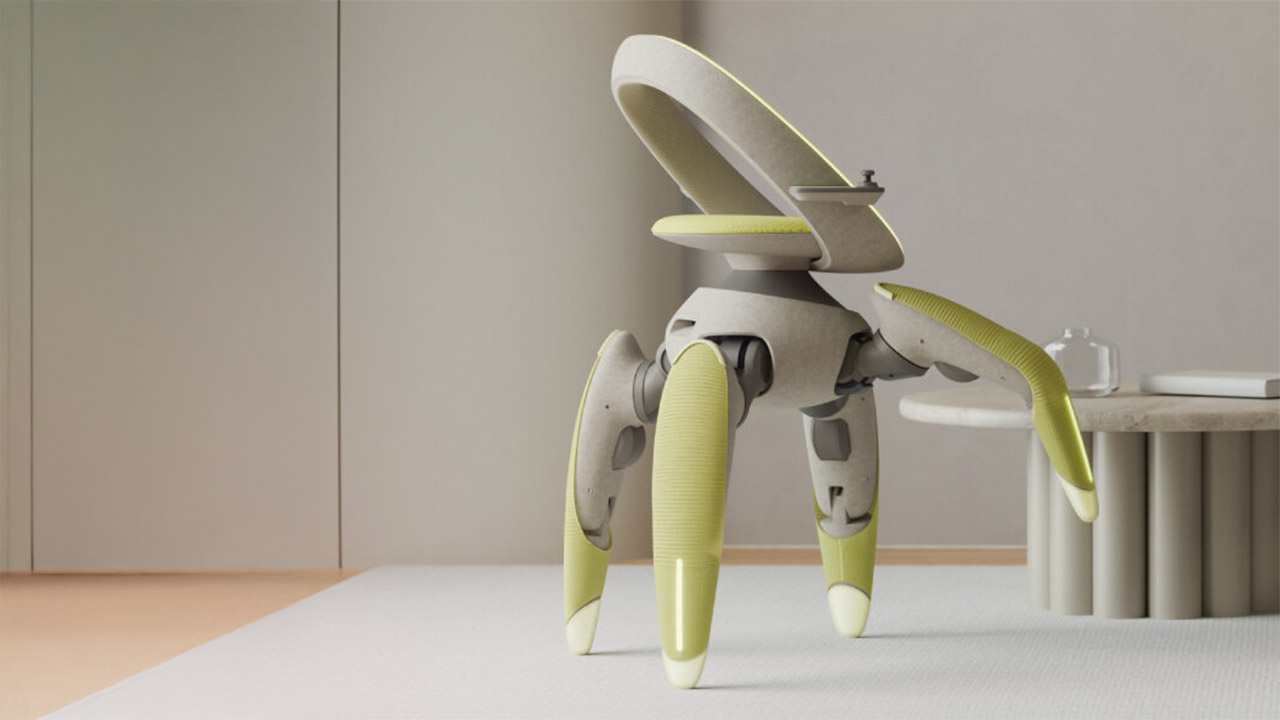
Weight sensors ensure that you are centered before any major movement. Collision radars will stop the chair if a youngster runs in front. The legs include velvety covers that cushion bumps and conceal the whirling parts from prying fingers. Tip over? Impossible—the base widens and the seat tilts back to keep your center of gravity over your feet. Controls are quite basic. Handles for analog enthusiasts; voice for everyone else. Saying “slow” causes the stride to shorten into a slow shuffle. Say “faster,” and the legs lengthen into a fast march. A small screen on the armrest displays battery life, mileage traveled, and even a cartoon map of the house.
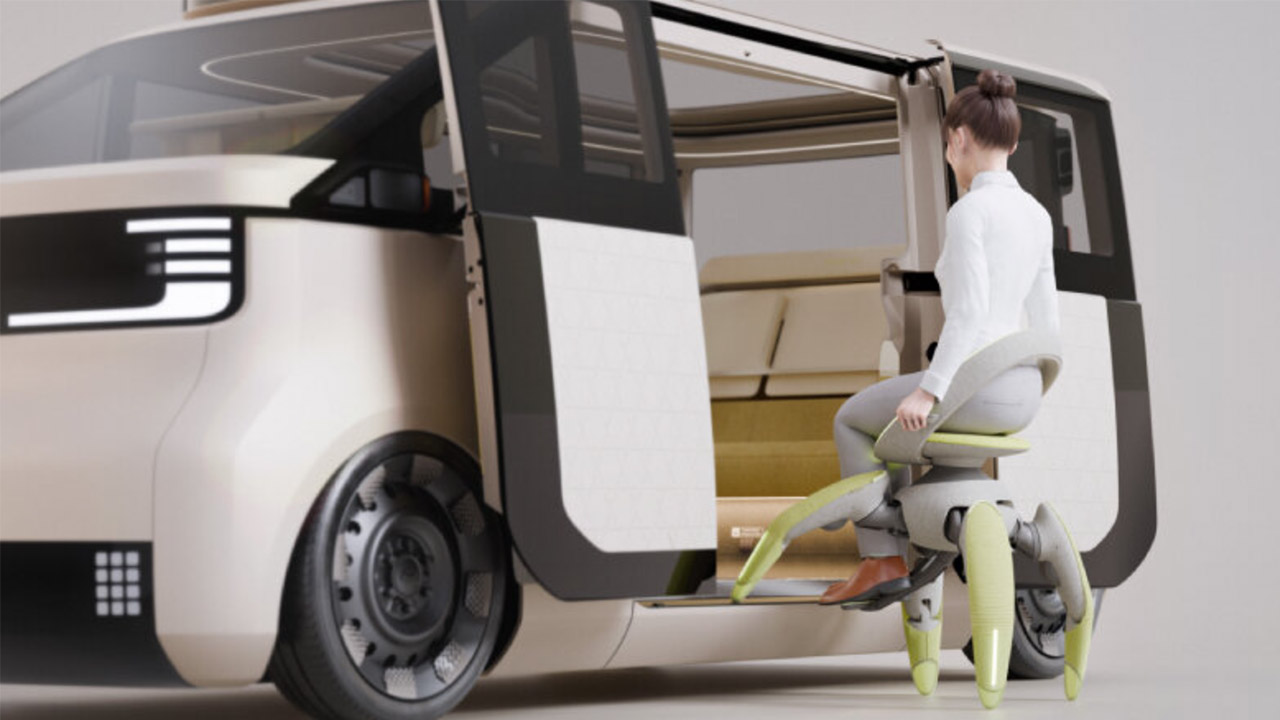
Toyota designed Walk Me for the everyday challenges that most wheelchairs face: the three steps to a friend’s porch, the gravel walk to the garden, and the tiny elevator that barely fits a rigid frame. In Japan, where residences frequently have high floors and sunken genkan entrances, the chair drops or climbs upon demand. In denser towns, it threads small entrances before unfolding in the hallway.