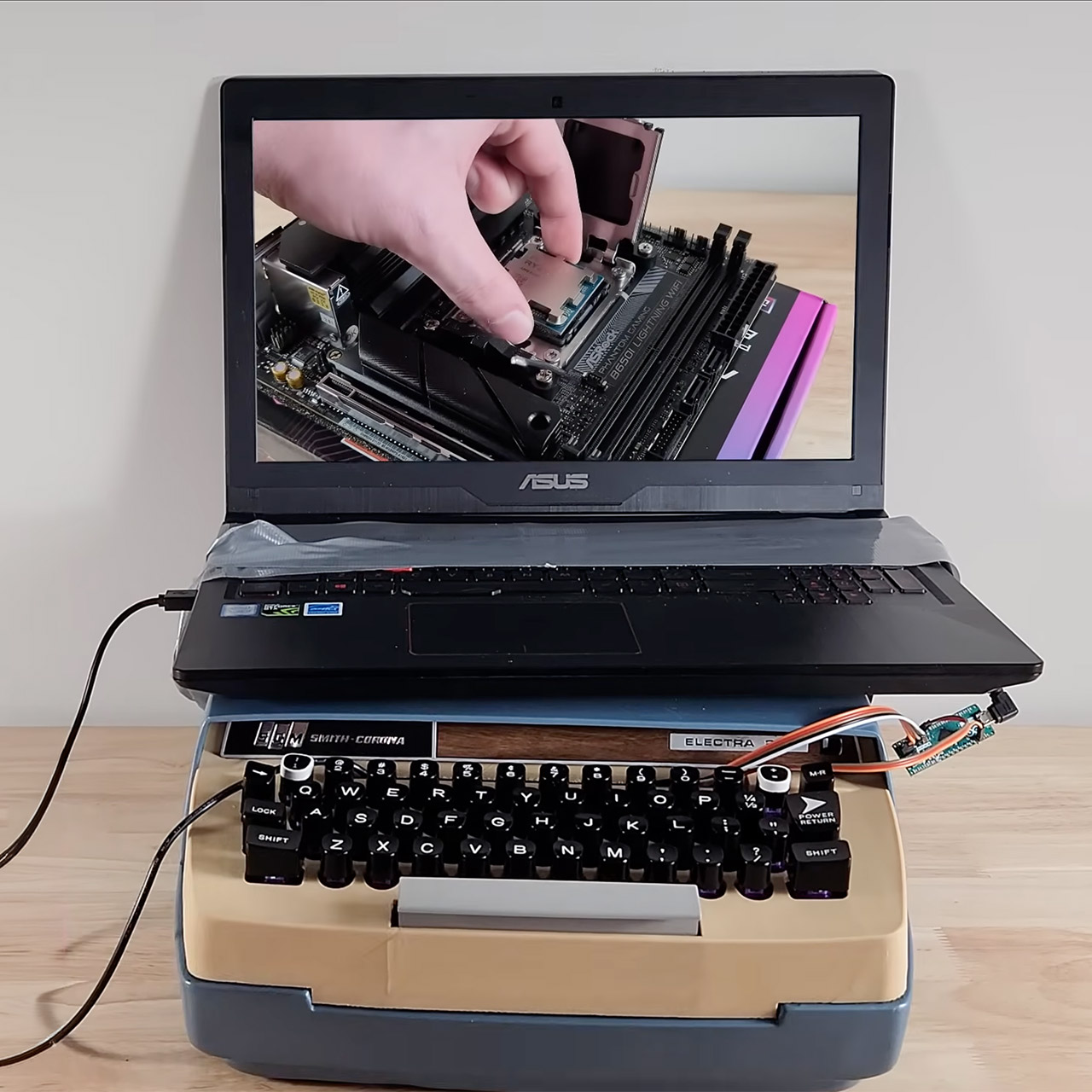
A Smith-Corona electric typewriter lies on the workbench, its keys still holding the faint traces of decades of dried-up ink. Prototype opens the casing, removes the ribbon spools and side brackets, and meticulously disassembles this antique relic to create something completely new. There isn’t much space inside, with the original mechanism taking up about half of the volume, but the idea is to fit a powerful x86 gaming PC within while also preserving the typewriter’s trademark actions.
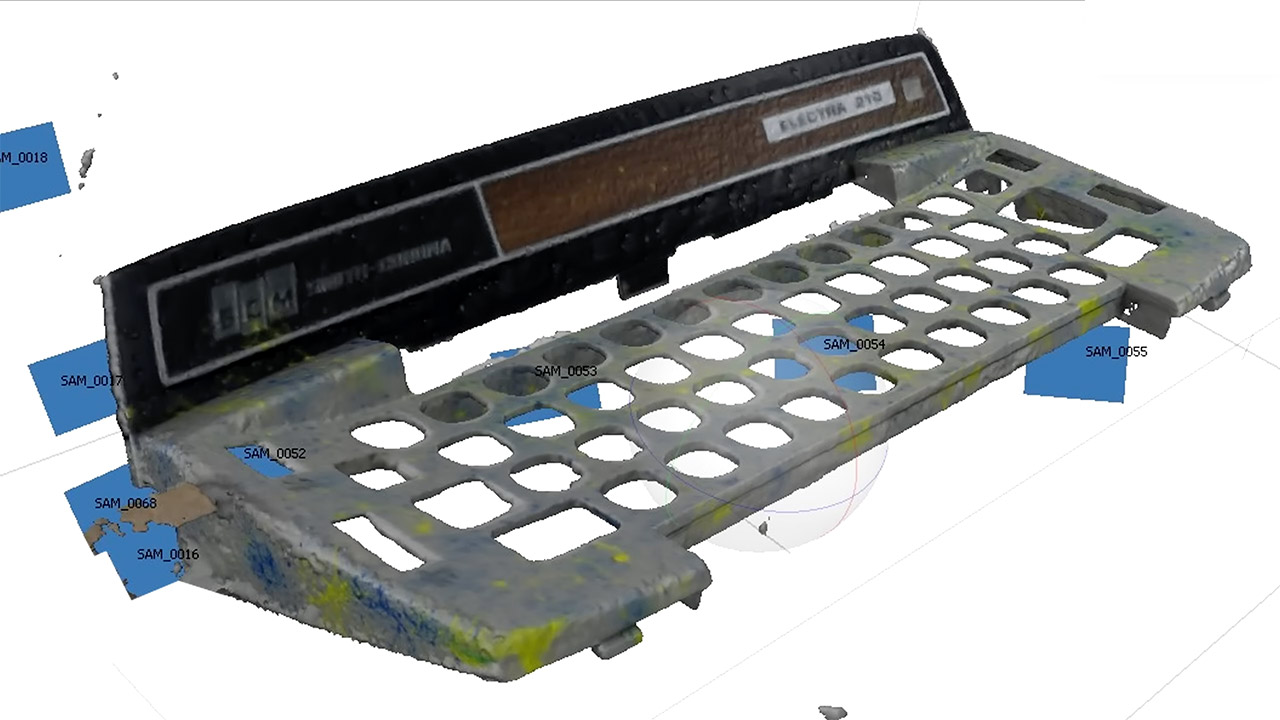
First up is the keyboard, and the original switches are replaced one by one with a bespoke configuration. Prototype captures the shape of the house using photogrammetry, which simply takes photos of it from all sides and converts the resulting images into a three-dimensional model. A little tweaking in CAD software adds some extra height without affecting the familiar appearance and feel, and then a 3-D printer produces the redesigned top plate. The ancient keycaps are given fresh life by being joined to modern mechanical switches via printed adapters.

- Faster Performance for Everyday Computing: Powered by the Intel N5030 processor (4 cores, 4 threads, up to 3.1GHz), the KAMRUI AK1PLUS Mini PC...
- 12GB RAM & Up to 4TB Expandable Storage: Work faster with 12GB LPDDR4 memory and a high-speed 256GB M.2 2280 SSD for quick boot-ups and smooth...
- Dual 4K UHD Displays for Maximum Productivity: Expand your workspace with dual HDMI 2.0 outputs, supporting two 4K@60Hz UHD displays simultaneously...
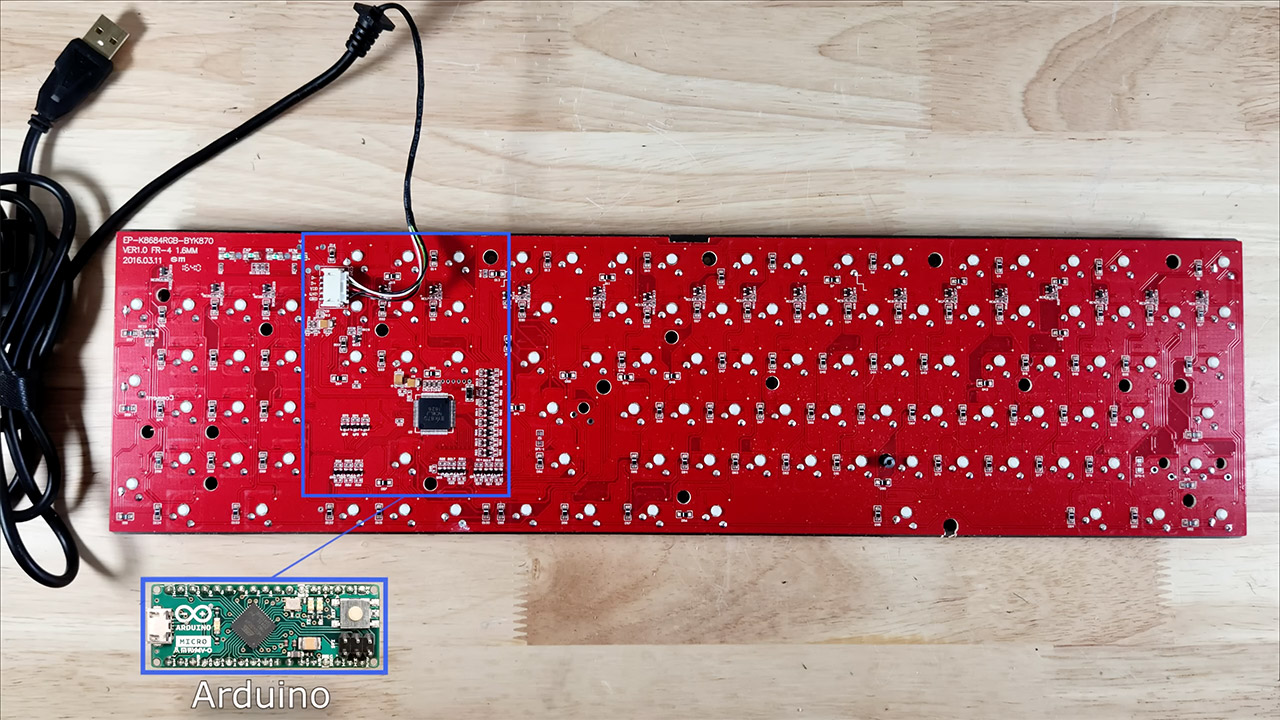
The next step is to create the PCB, which turns out to be a bit of a compact affair with rows and columns forming a matrix of 51 or 52 switches, each paired with a hand-soldered diode to prevent key presses from being ‘ghosted’. An Arduino Micro handles the USB output, converting the presses into conventional keyboard signals. The wiring is all straightened up, and after a few laborious pin swaps to eliminate any stray lines, the board is pretty well ready to go.
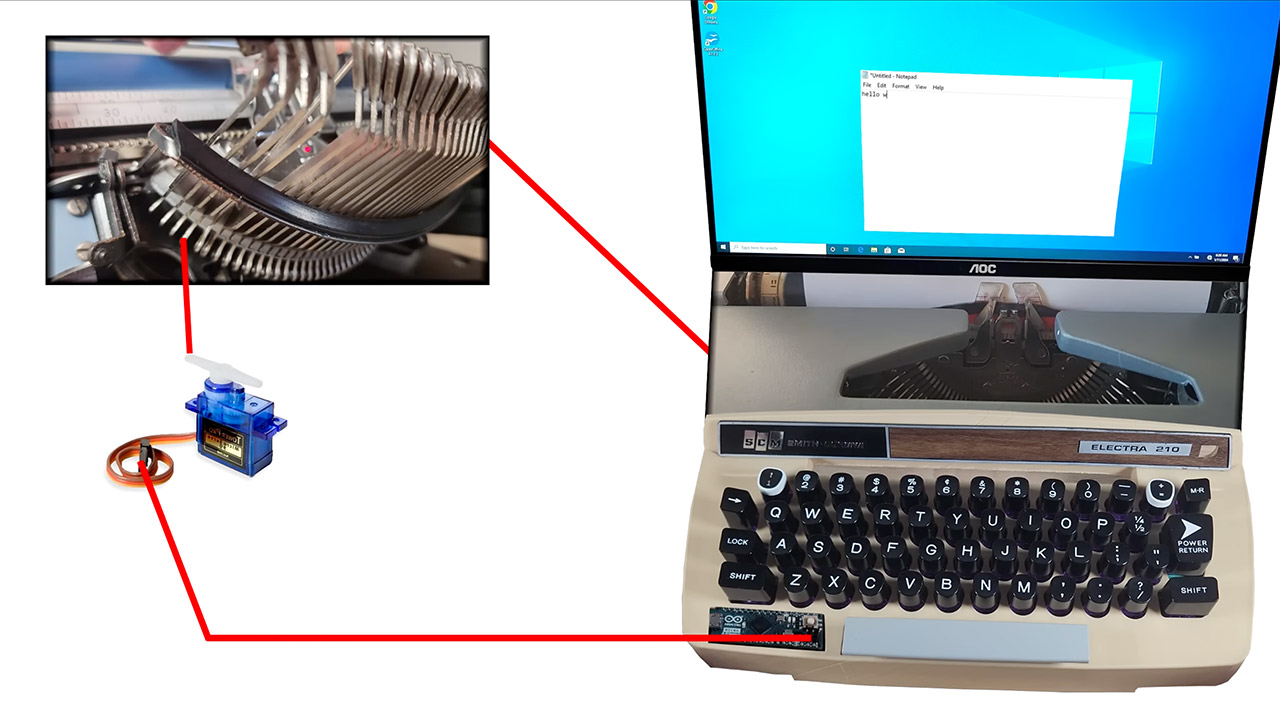
The mechanical heart and soul are still intact, with a second Arduino monitoring the key signals and controlling a servo motor connected to one of the hammers. Each time you type a character on the keyboard, the arm moves, advancing the paper slide and ringing the bell at regular intervals to retain the typing rhythm. Typing on the attached laptop provides the best of both worlds: virtual characters on the screen and real characters made of clackety metal on the platen.
Of course, this is only the beginning; the keyboard is now fully functional and provides physical feedback similar to the original device. Wires are still scattered about as he tests, but from above, everything appears to be the same as it was back then. There are many challenges ahead because photogrammetry is a mess, and connecting these diodes is a true test of patience. It took him a long time to figure out the code, but he eventually got ChatGPT to quit giving him problems.
The next steps are where things get interesting, as the smaller-than-usual motherboard, graphics card, power supply, and storage must all fit into the available space. Cooling will require some careful positioning to keep things from overheating under load, and there will be the screen to contend with, which must be light enough not to strain the carriage. For the time being, external power is attached, but the final build should be as self-contained as possible.
[Source]