
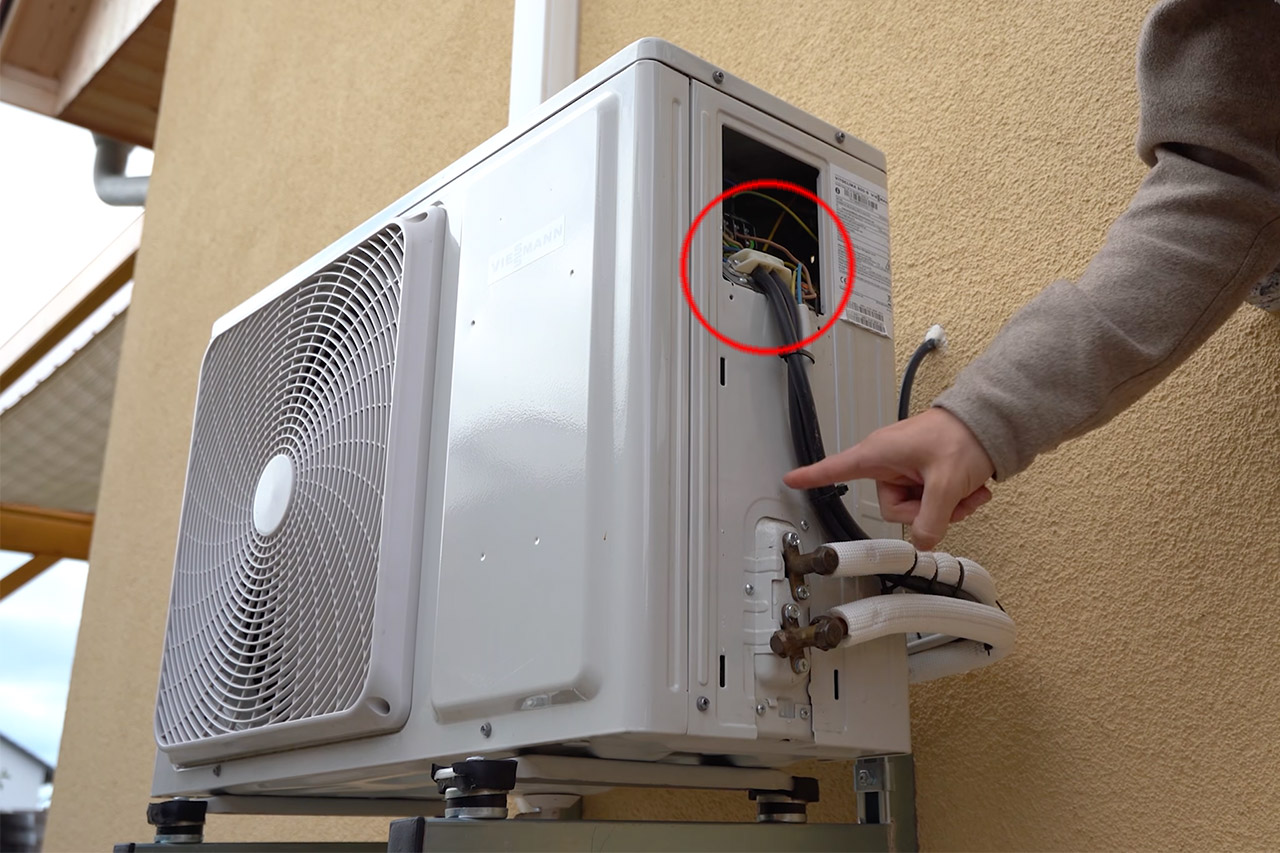
GreatScott! watched his year-old inverter air conditioner punch well above its weight during a heatwave. Outdoor temperatures around 21 degrees Celsius flipped the script. Indoor air barely fell below the reading outside, and the unit felt anemic despite looking perfectly healthy.
Inverter compressors have some tricks up their sleeve, as they adjust speed to suit the conditions. Service manuals include a rule of thumb for mapping such speeds to outdoor temperature so that the machine remains as efficient as possible, keeps the refrigerant flowing in a safe range, and prevents the compressor from overworking. Now, when the cooler exterior air instructs the controls to wind the compressor back a little, it makes perfect sense, but in the real world, it doesn’t quite help when the house still needs some truly cold air.

- Enhanced Cooling & Safety: Upgrade your neck fan with an around-air outlet and bladeless turbo fan blades, boosting cooling efficiency by 80%. Say...
- 5200mAh Power & 4 Speeds: Upgraded with a 5200mAh massive battery, this personal fan provides 4-20 hours of runtime across 4 adjustable speeds...
- Whisper-Quiet & Lightweight: Enjoy an ultra-quiet operation with a noise level between 30-45 decibels. This portable neck fan, weighing just...
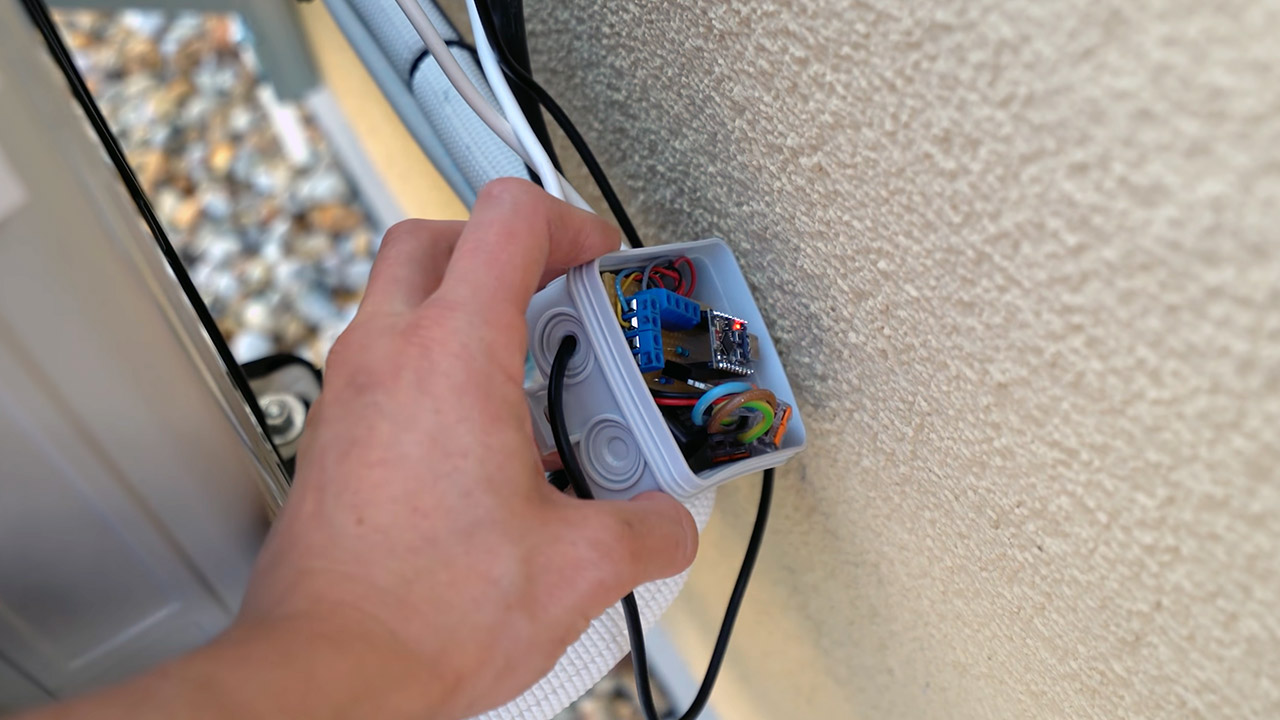
A small plastic box with only two wires sat on the exterior unit, and it took 15 seconds to locate it. Inside that small unit, a temperature sensor sent the frequency restrictions to the controls. GreatScott! had that sensor in his palm, and the reading was skewed due to body heat. He observed as the fan speed increased, the compressor note increased, power surged by more than 100 watts, and outlet air fell 2 degrees, as expected.
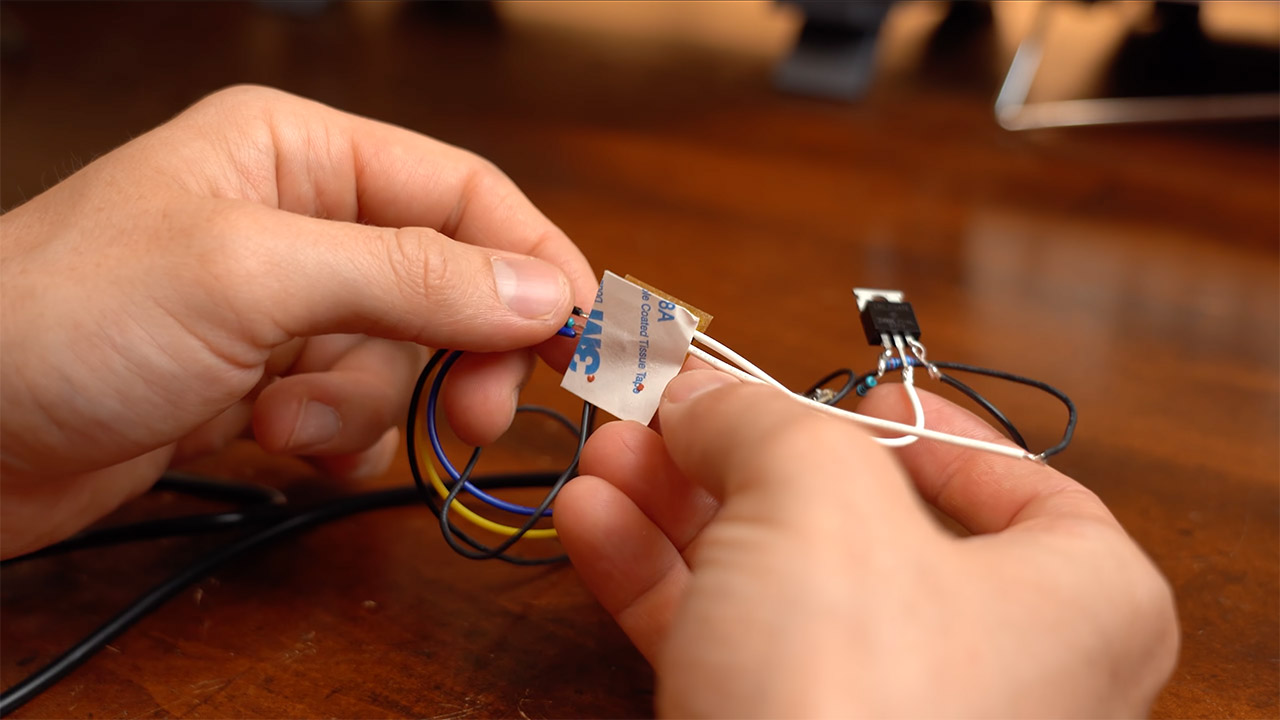
A 1-watt heating pad was ineffective, but a 2.7-watt pad was all he needed to meet his targets. An ESP32-C3, an LM35 sensor connected to the pad, a PWM-driven MOSFET, and a dead simple PI loop kept the pad at 25, 30, or 35 degrees Celsius. A DS18B20 monitored the actual temperature of the outside air and opened a thermal switch at a scorching 40 degrees if anything failed. All of this kit lived in a waterproof box and spoke with Home Assistant over MQTT, allowing GreatScott to switch targets from his favorite couch spot. Power came from a 5-volt supply that never drew more than a few watts.
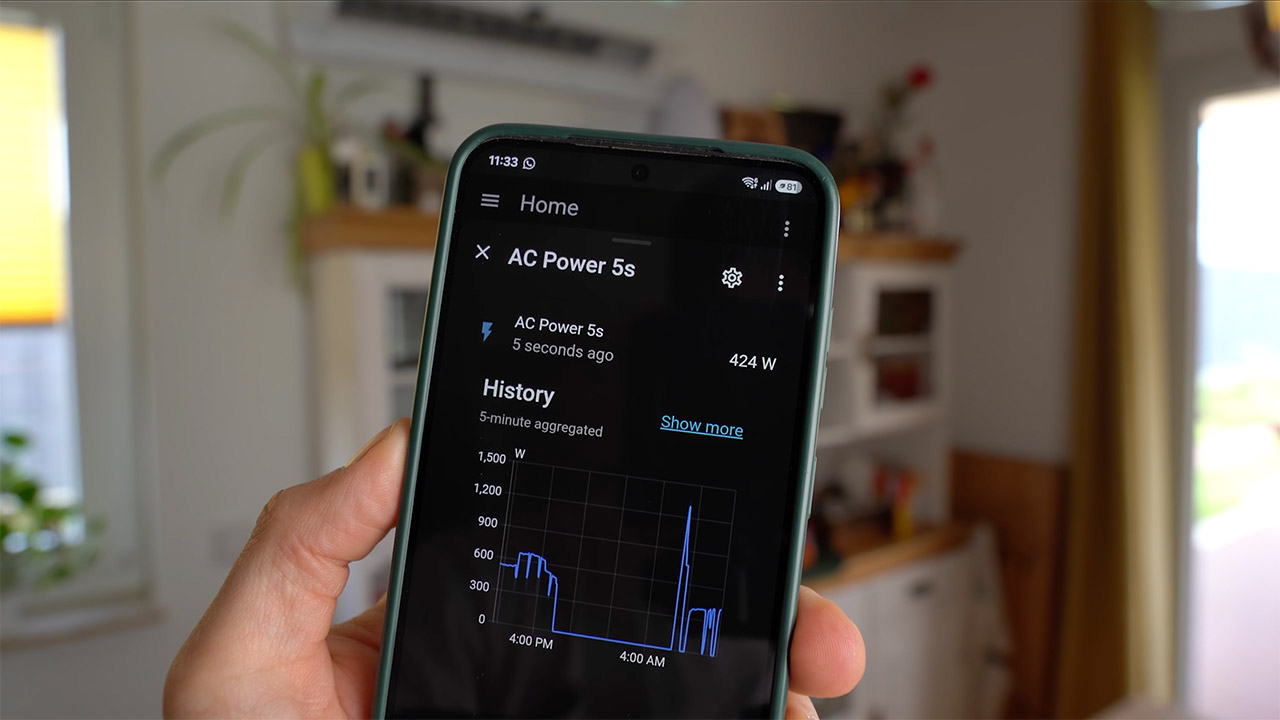
Baseline readings at 21.2 degrees outside indicated a nearly identical 12.5 degrees at the indoor outlet and a whopping 420 to 477 watts. When he turned up the reading to 30 degrees, the power increased to 720 watts and the outlet air temperature dropped to 10.5 degrees. When he pressed the pad to 35 degrees, the outlet air dropped as low as 9.6 degrees before the unit backed off on its own, providing a timely reminder of its limitations. Those terrible interior evaporator fins were even forming ice.
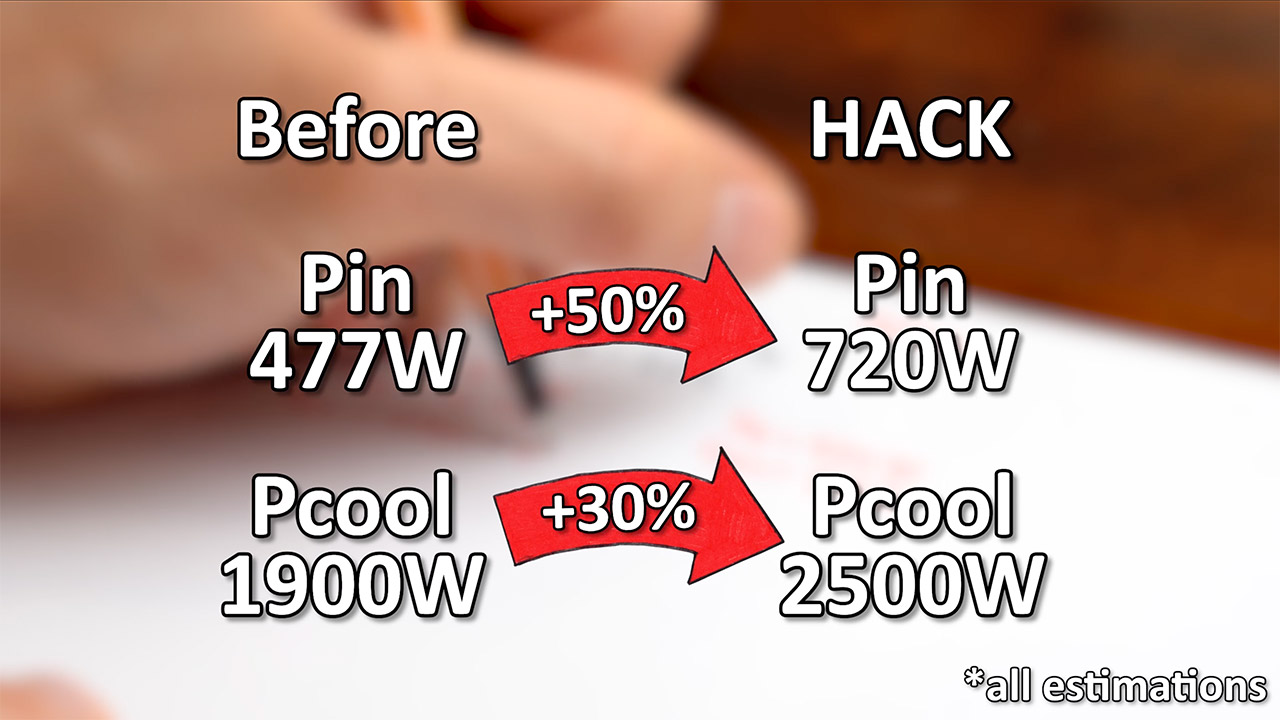
Crunching the numbers with steady airflow assumed, the extra electricity peaked around 50 percent while cooling output rose about 30 percent. GreatScott! then turned off the heater, which resulted in more wear on the compressor, a possible freeze-up, and a host of other issues that the factory had not anticipated. Those outdoor-temperature maps exist for efficiency ratings and long-term reliability, not because the engineers forgot a stronger setting.
Anyone with an inverter mini-split that feels lazy on mild days now has a clear map of why. Heating the outdoor probe can force higher compressor speeds for a short test. Leaving the heater in place is a different conversation. The machine already knows its own limits.
[Source]