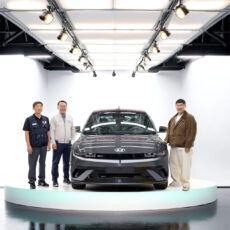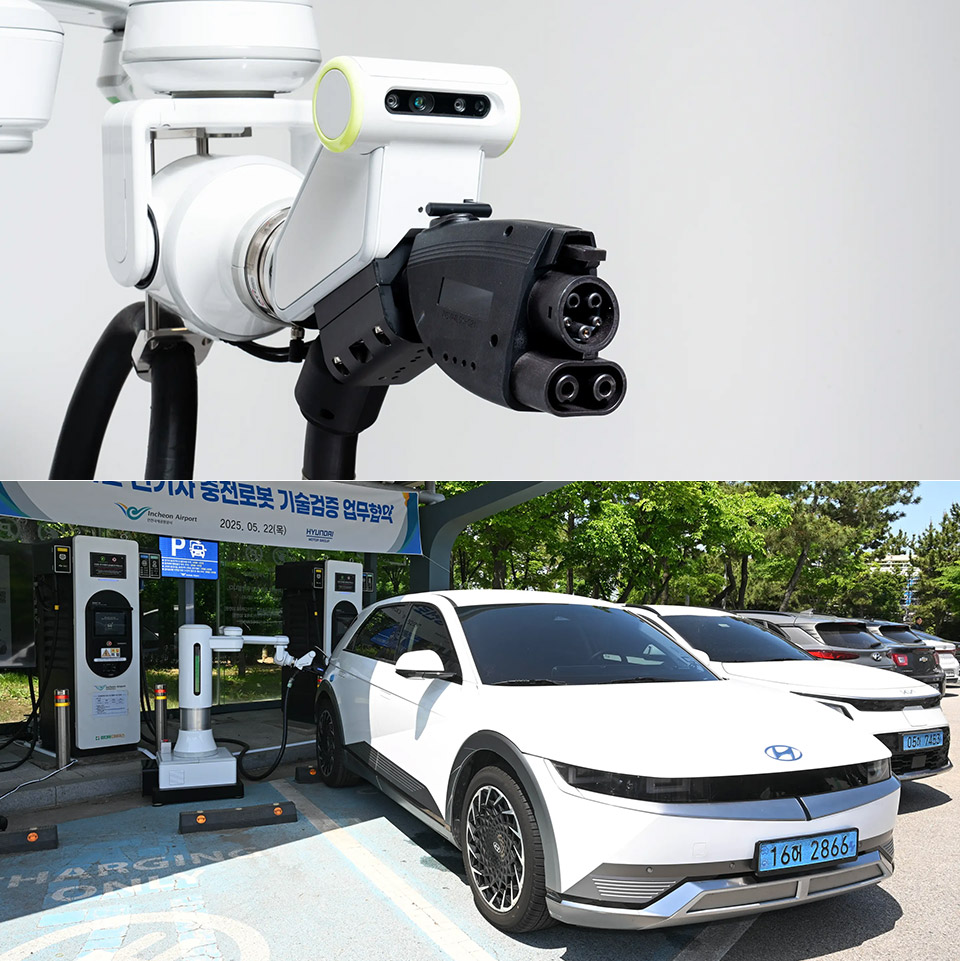
Electric vehicles are everywhere—cruising highways, filling driveways, and flipping the script on how we get around. But charging them? That can still be a drag, especially when you’re wrestling with cables in a chaotic airport lot. Hyundai Motor Group, teaming up with Incheon International Airport Corporation, is zapping that hassle with its AI-powered Automatic Charging Robot (ACR).
A couple of years ago, Hyundai teased the ACR at the Seoul Mobility Show, in the form of a robotic arm that plugs into an EV’s port with barista-level finesse. Now, in May 2025, it’s real, rolling out at South Korea’s Incheon International Airport, a global travel hub. The ACR’s mission? Make charging a breeze in high-pressure spots like airports. “Our goal is to enhance the EV ownership experience by removing the hassle of charging,” says a Hyundai Motor Group spokesperson.

- From INIU—the SAFE Fast Charge Pro: Experience the safest charging with over 38 million global users. At INIU, we use only the highest-quality...
- 140W PD 3.1 Super-Fast Charging: While others struggle at 65W or even 100W, our 140W PD 3.1 PowerNova if fast enough to power up all high-power-demand...
- Massive Airline-Approved 27,000mAh: With a whopping airline-approved 27,000mAh battery capacity, it gets multiple charges for all your devices on the...
Here’s the deal: the ACR is a compact unit in a parking spot, armed with a 3D camera and AI sharper than a chess pro. The ACR scans an EV’s license plate, uses AI to locate and connect to the charging port with a robotic arm, then retracts and closes the cover after charging, adapting to various EV models’ port placements. “The ACR’s adaptability is key,” a Kia rep notes. “It’s built to work with a wide range of electric vehicles, ensuring broad compatibility.”
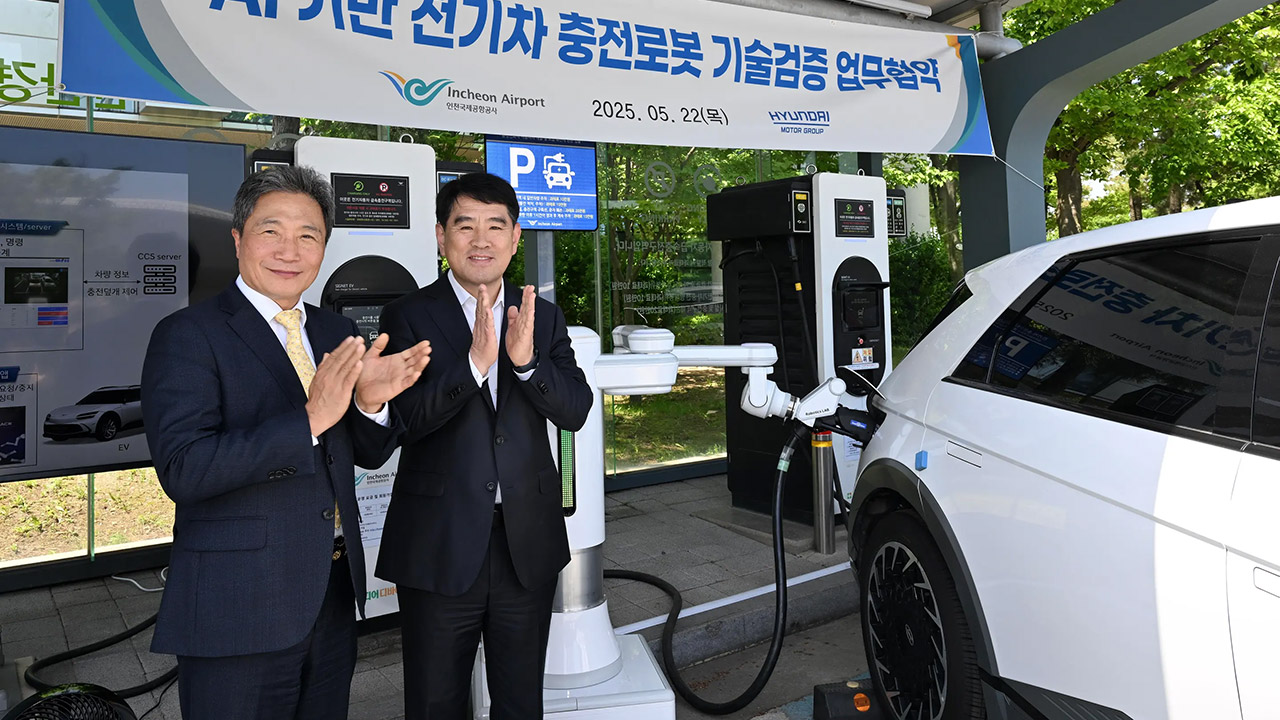
Safety’s locked in tight. Hyundai didn’t just bolt on a robot arm—the ACR’s got certifications to prove it’s reliable in busy lots. Sensors spot stray bags or wandering travelers, dodging accidents. The AI monitors charging in real-time, tweaking for efficiency and avoiding overcharge. “We’ve prioritized safety to ensure drivers feel confident using this technology,” the Hyundai spokesperson adds.
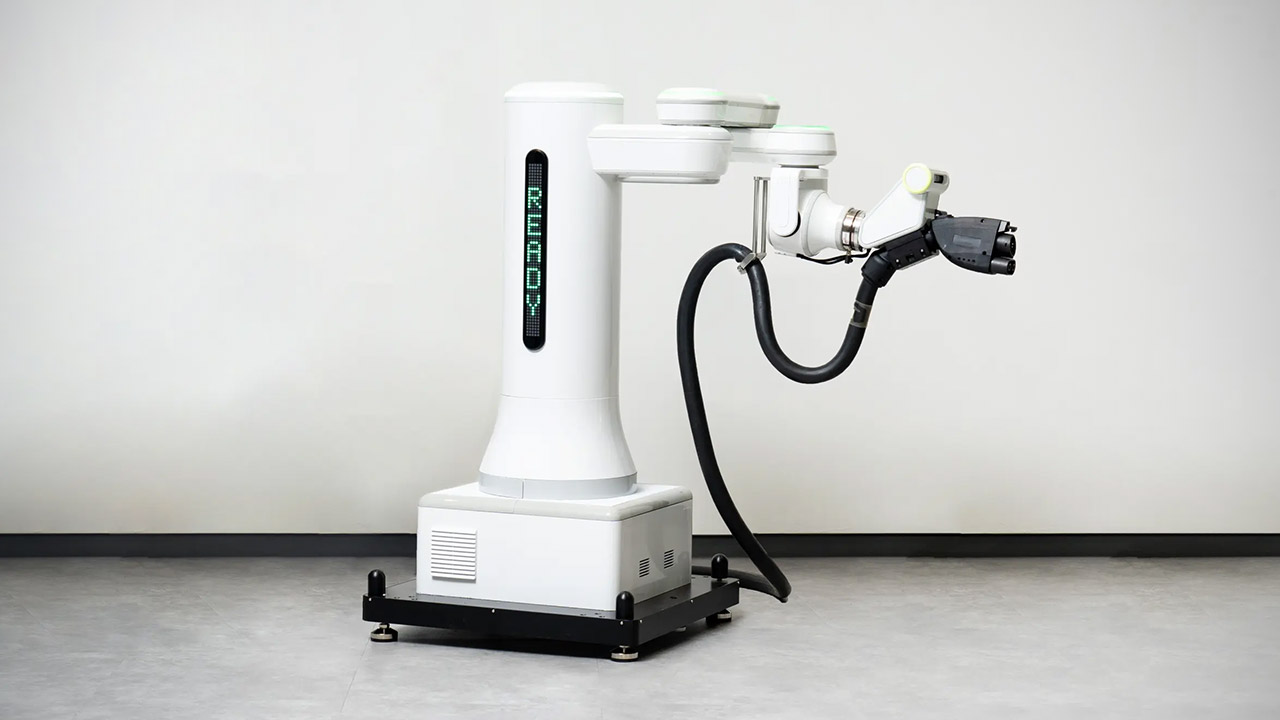
What makes the ACR stand out? It plays nice with existing chargers, so lots don’t need a full makeover. Its small footprint fits tight spaces, a big win for packed airports. X users are hyped, praising its practicality over flashier ideas like Tesla’s snake charger. One post nailed it: “Hyundai’s robot isn’t as wild as Tesla’s snake, but it’s actually out there working.”
Incheon’s a perfect testbed—its nonstop traffic pushes the ACR to prove itself. Hyundai and the airport are eyeing commercialization, using real-world data to polish it for malls, airports, and city lots globally. “This collaboration is about more than just technology—it’s about creating a convenient, sustainable future for travelers,” an Incheon official says. The ACR could ease range anxiety and charging woes, making EVs feel as simple as gas cars. Future versions might even add wireless charging or vehicle-to-grid tech.
Scaling up won’t be easy—diverse lots and costs are hurdles. But Hyundai’s all-in on EVs, from the Ioniq 5 to Pleos, and X posts are buzzing, with one calling it “a game-changer for EV convenience.” For now, Incheon travelers get a front-row seat to a future where charging’s a no-brainer.
[Source]