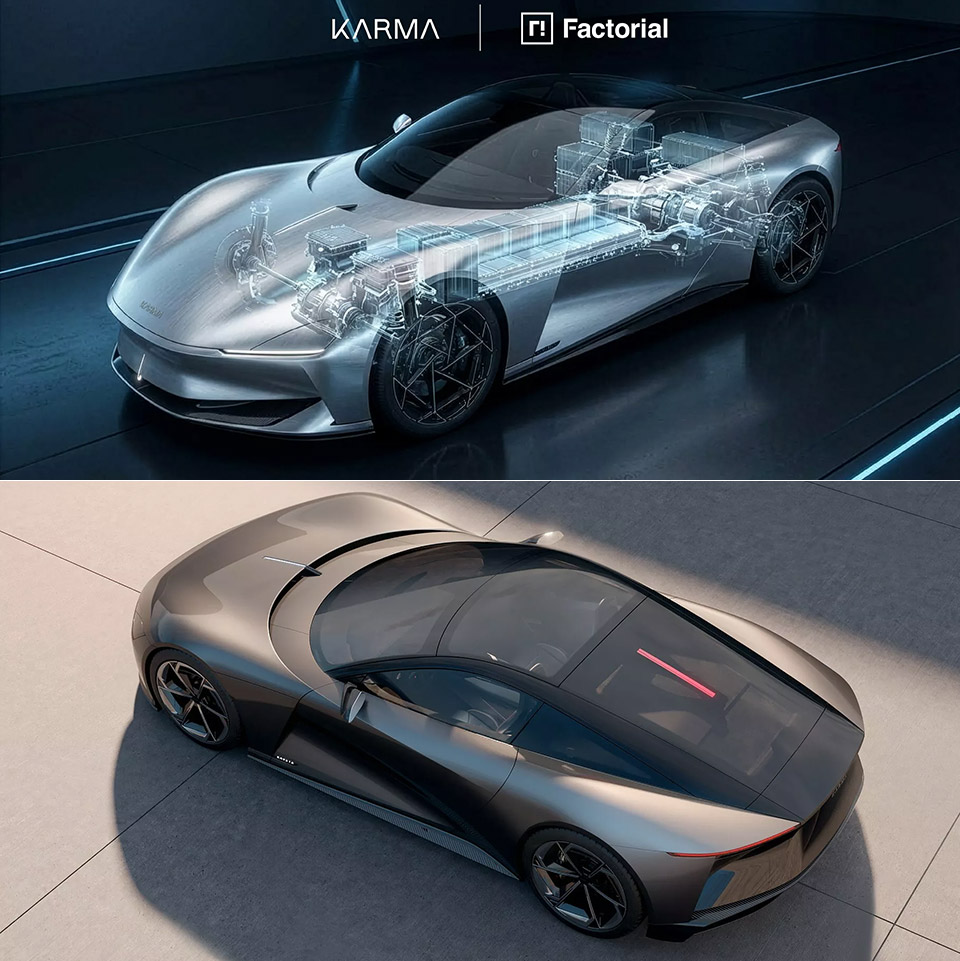
Karma Automotive finally gets some attention after years of quietly building some under the radar luxury automobiles while the major names grab the news. Now they’re taking the next step with something truly groundbreaking: their planned all-electric supercar, the Kaveya, will be the first passenger vehicle in the United States to be manufactured with solid-state battery technology, and it will be used in production.
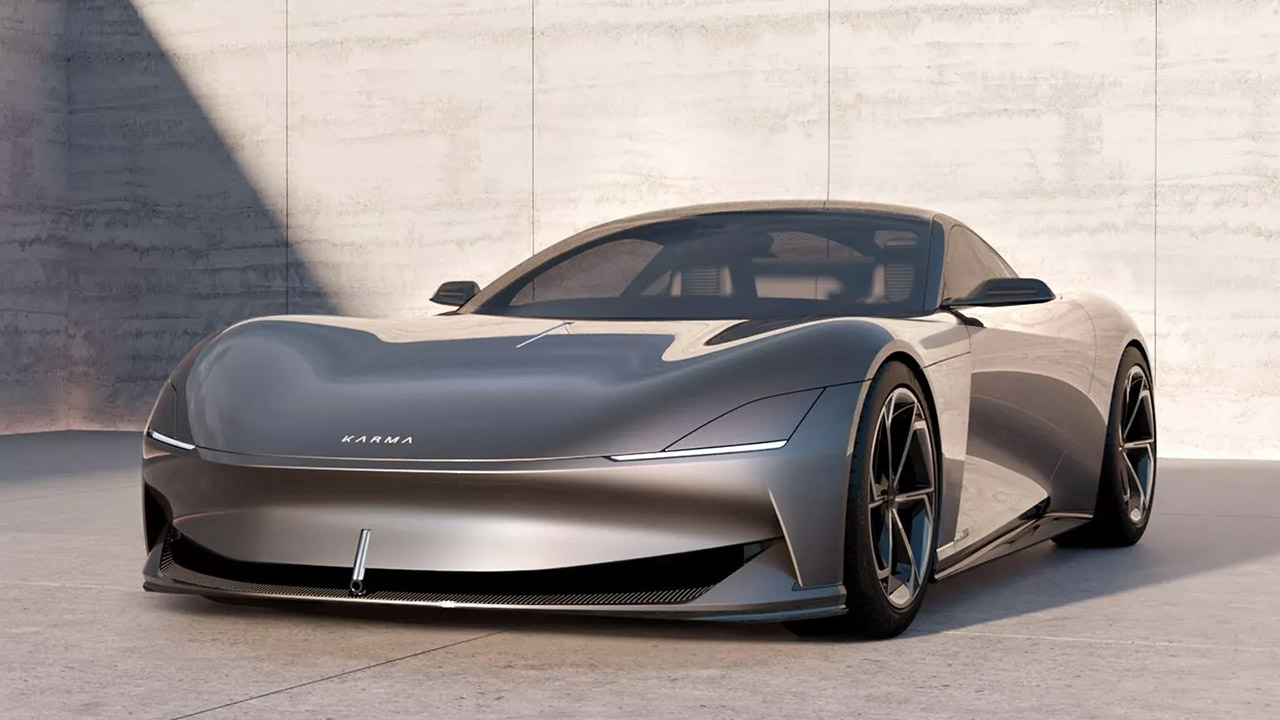
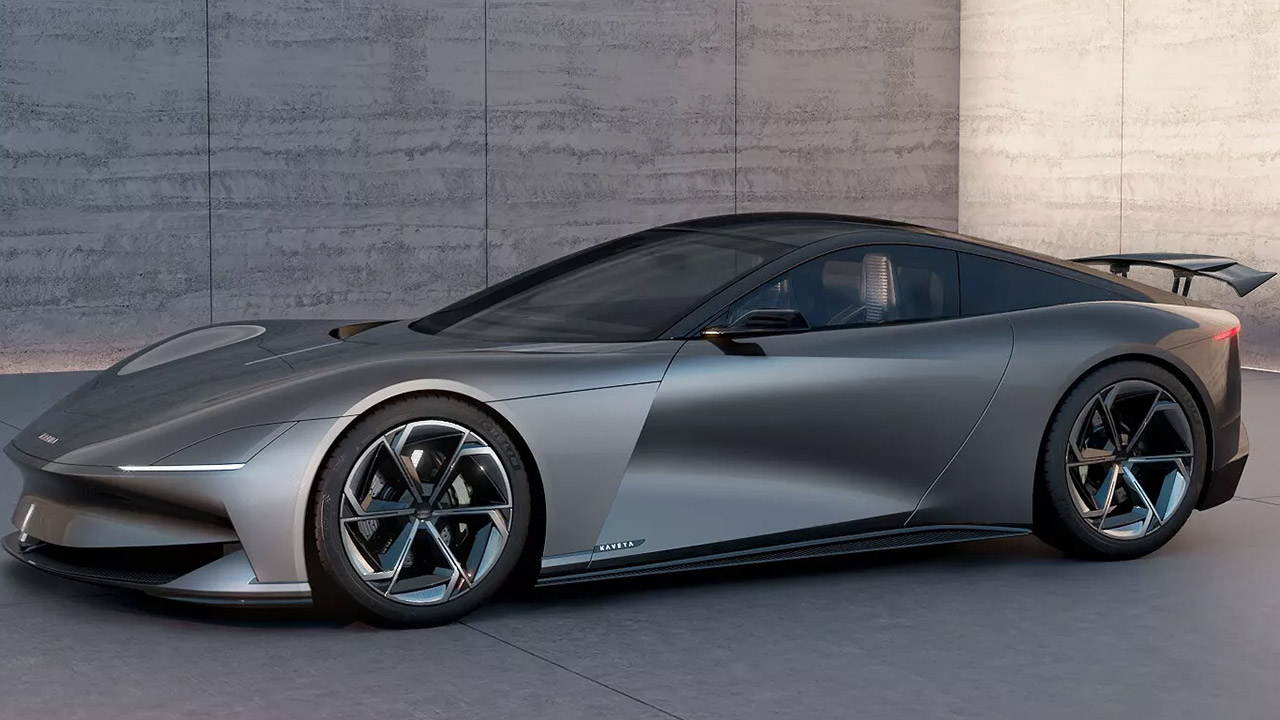
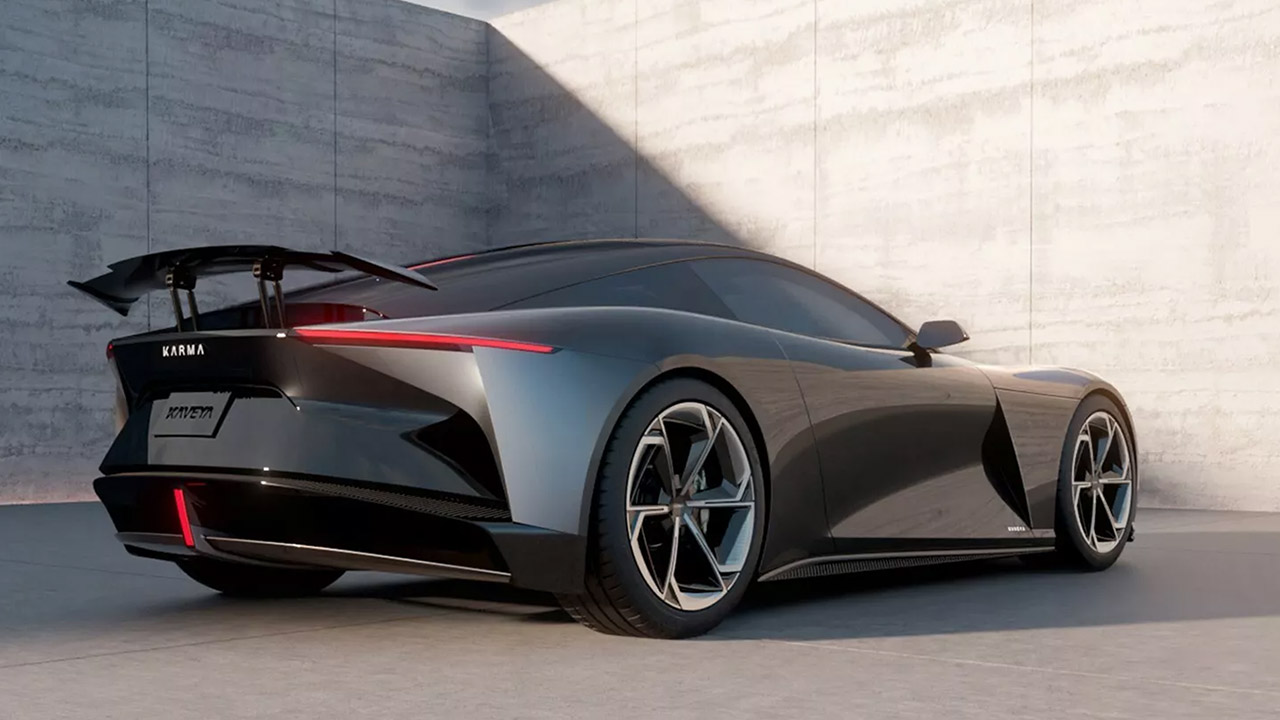
Kaveya’s design appears to be heavily influenced by vintage grand tourers, but it also boasts some very distinct modern lines. The doors open upwards in a stunning butterfly motion, and the interior is designed to put the driver right in the action. This is a large car, measuring 187.7 inches long, 78.8 inches wide, and 49.4 inches tall on a 107-inch wheelbase, but it’s assisted along by an aluminum chassis and some incredibly lightweight carbon fiber panels. We’re talking about an estimated 5,300 pounds. When not in use, those hidden headlights retract up into the hood, and the overall design is purposeful and elegant, thanks to the slim front and back lighting elements. To top it off (literally), a retractable rear spoiler provides extra downforce when needed.

- BUILD A RACING LEGEND – Experience the thrill of the track with LEGO Speed Champions McLaren W1 – The Real Supercar (77257) building toy for kids...
- 1 DRIVER MINIFIGURE – This race car toy building set includes a driver minifigure wearing a McLaren outfit, with a wig, wrench, and helmet...
- AUTHENTIC MCLAREN DETAILS – Car lovers will appreciate features and functions inspired by the real supercar, including an adjustable rear wing, a...
Under the hood, dual electric motors produce 1,180 horsepower and 1,270 lb-ft of torque in the top trim. This means zero to sixty in less than three seconds, a top speed of more than 180 mph, and some claims that it will go even faster. They previously had a rear-wheel drive version with 536 horsepower, but the all-wheel-drive flagship is undoubtedly the more exciting of the two. The battery was originally planned to be 120 kWh with a range of more than 250 miles, but they’re now switching to Factorial’s FEST solid state system, which promises improved efficiency and potentially more range from a smaller or lighter pack.
Solid state batteries function by replacing liquid electrolytes with solid materials, which decreases the risk of thermal runaway and allows you to store more energy in the same space. What distinguishes Factorial’s approach is that it works with up to 80% of existing lithium-ion production kit, allowing smaller players like Karma to just plug in their existing equipment and start building.
This is the first U.S. production program for passenger cars of this type, and it is a collaboration between the two firms that brings together domestic engineering from both sides. Karma adhered to its planned delivery date for the Kaveya last year to ensure that the driving experience met ultra-luxury standards; with the Factorials cells fully integrated, they are confident they have it right.
Karma’s president and CEO, Marques McCammon, argues that the goal of this step was to push limits while building more stable, reliable, electrified systems for owners and the industry as a whole. Factorials CEO Siyu Huang describes the collaboration as a “milestone” that demonstrates how good American inventiveness can be in high-performance applications. The Kaveya will hit the roads in late 2027, and it’s only the beginning for this battery platform in Karma’s range.
[Source]