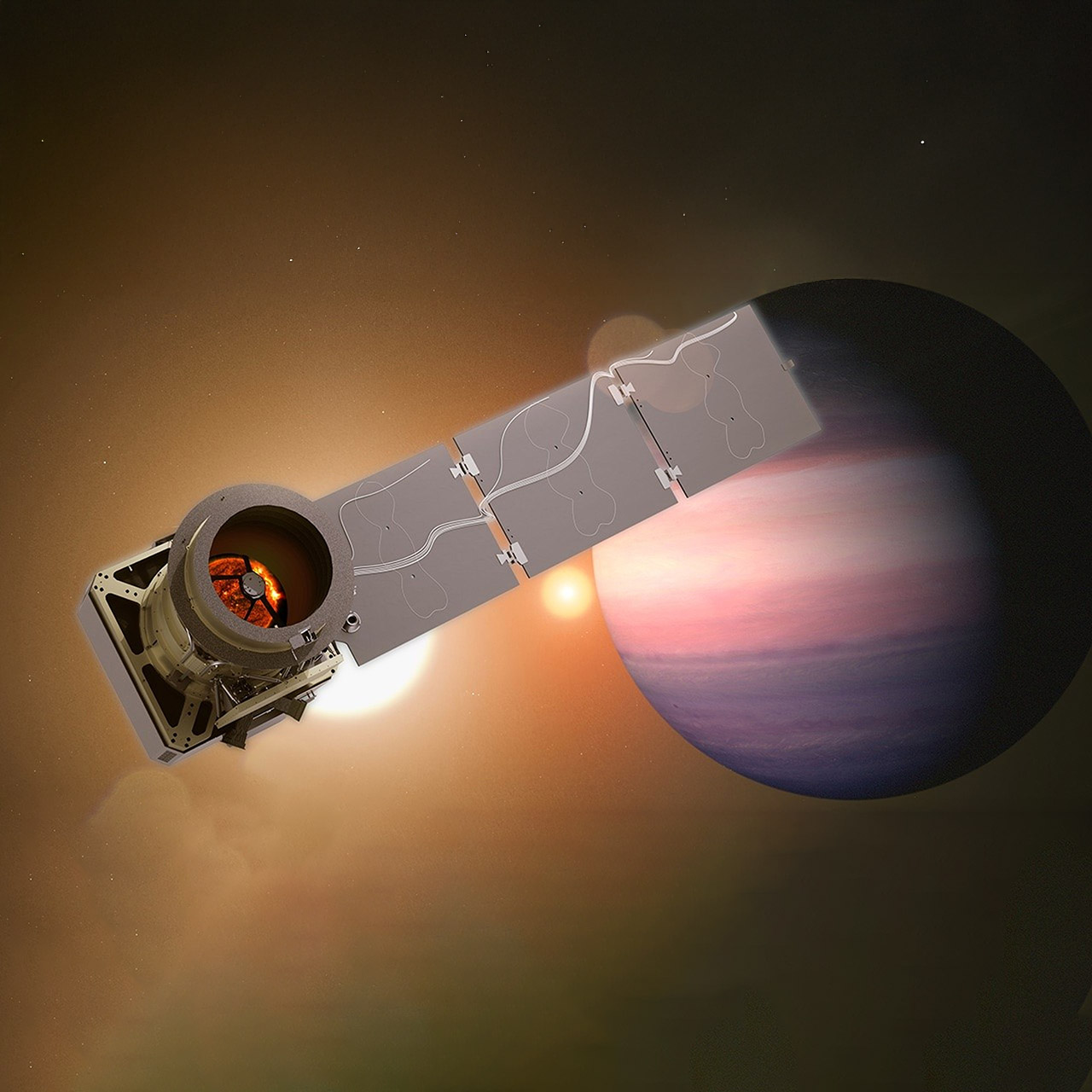
NASA’s Pandora mission is set to launch on a SpaceX Falcon 9 rocket from Vandenberg Space Force Base in California. The launch window is scheduled to open at 5:19 a.m. Pacific time on January 11th, and luckily for us, SpaceX will webcast the entire event live.
Pandora is a relatively small satellite, about the size of a refrigerator, weighing 716 pounds. Its primary payload is a 17-inch-wide aluminium telescope developed through a cooperation between Lawrence Livermore National Laboratory and Corning Specialty Materials. The telescope has two detectors: one will track changes in a star’s brightness using visible light, and the other is a spare near-infrared camera originally intended for the James Webb Space Telescope, which will collect spectra from 0.87 to 1.63 microns. The mission’s central feature is Pandora’s ability to collect both visible and near-infrared spectra at the same time.

- BUILD AN OFFICIAL NASA ROCKET – Kids prepare to explore outer space with the LEGO Technic NASA Artemis Space Launch System Rocket (42221) building...
- 3-STAGE ROCKET SEPARATION – Young builders can turn the hand crank to watch the rocket separate in 3 distinct stages: solid rocket boosters, core...
- STEM BUILDING TOY FOR KIDS – This educational rocket kit was created in collaboration with NASA and ESA to showcase the authentic system that will...
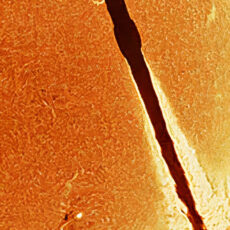
When an exoplanet passes directly in front of its host star, a little amount of starlight is filtered by the planet’s atmosphere, revealing a variety of information about the planet’s composition. Gases and particles absorb specific wavelengths of light, causing dips in the spectrum that can reveal what’s going on. Water vapour, hydrogen, clouds, and hazes all have their own distinct signatures, but stars aren’t exactly stable lights, are they? Spots and flares appear, and bright patches vary over time, making any signals of a planet passing in front of it difficult to detect. That’s where Pandora comes in handy: by monitoring each target for a full 24 hours ten times, it can build up a very precise image of what the star is doing before, during, and after the exoplanet transit.
The mission planners have chosen at least 20 exoplanets to focus on, with sizes ranging from Earth to Jupiter. They vary from mid-K to late-M, and many of them are the result of NASA’s TESS mission, which discovered thousands of candidates. By staring at the stars for so long, the scientists can separate the true signs of a planet from the background noise, determining which ones have clouds or hazes surrounding them and which have more elemental envelopes.
Once Pandora reaches its Sun-synchronous low Earth orbit, roughly 600 kilometers aloft, it will spend a month or two just settling in – making sure all of the systems are operational, calibrating the equipment, and establishing a routine. Then, the one-year prime science phase will commence. The University of Arizona will host the mission operations center, while NASA’s Ames Research Center will manage data processing, archiving, and distribution.<
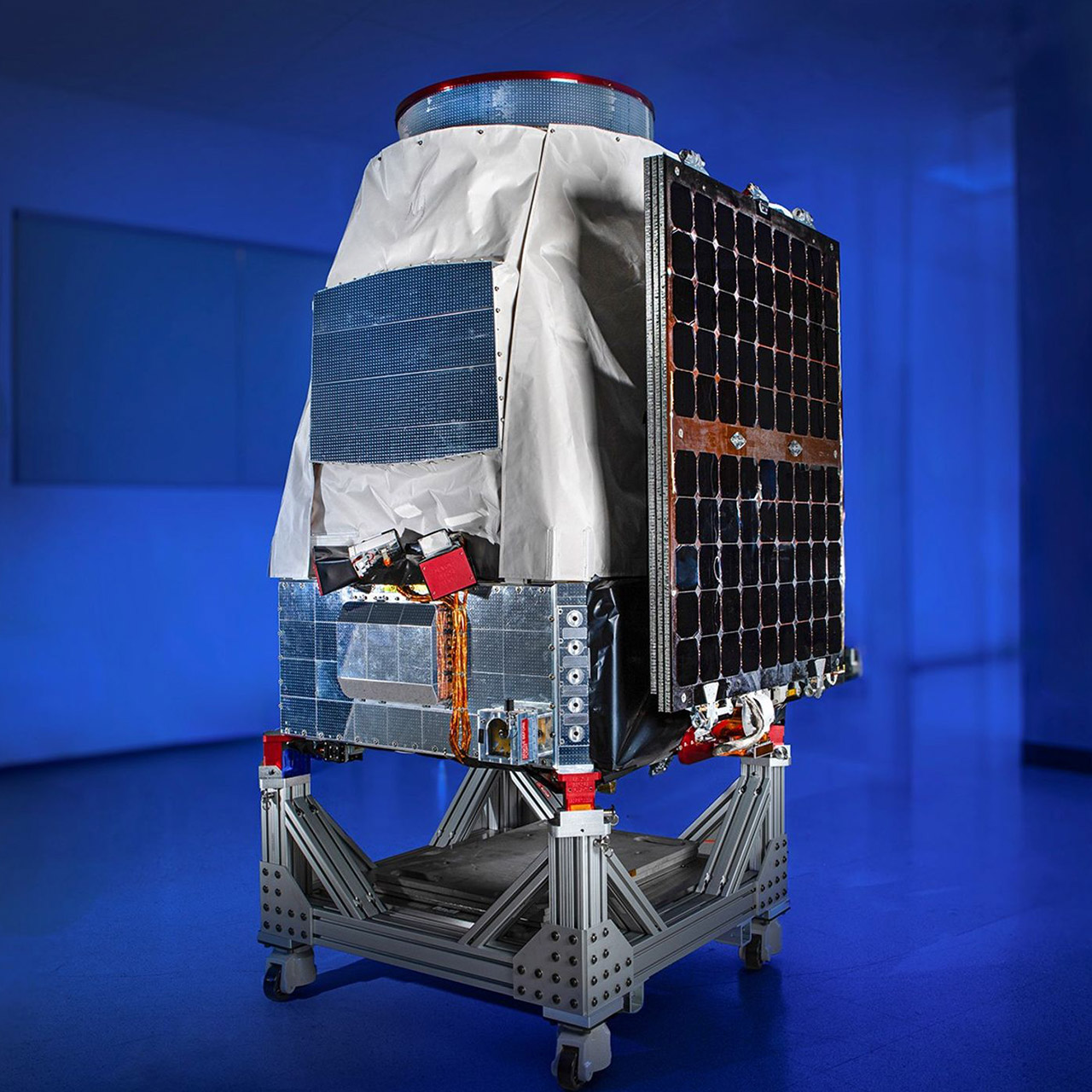
The Pandora mission will cost about $20 million as part of NASA’s Astrophysics Pioneers initiative, a new series of programs aimed at delivering capable science on a reduced budget. An added bonus is that many of the top positions have gone to early-career scientists and engineers, so helping to nurture the future generation of researchers and technologists.