
Palmer Luckey, the guy who turned virtual reality into a household name with Oculus, is now shaking up the battlefield with Anduril Industries, his defense tech startup that’s throwing punches at the old-school military giants with a slick, AI-powered vision. His latest creation, the Fury unmanned fighter jet, is a stunning testament to his vision—a sleek, pilot-free wonder that screams next-gen warfare while flexing some seriously impressive engineering chops.
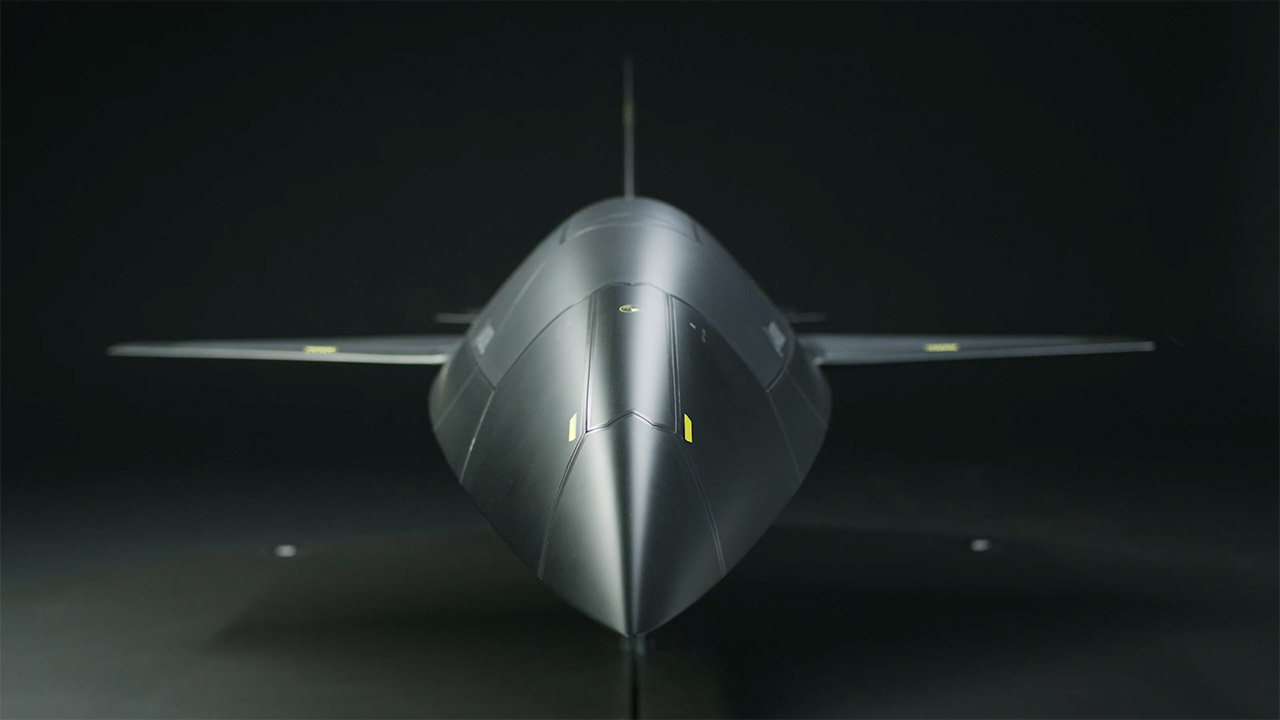
Dubbed the YFQ-44A by the US Air Force, Fury stands as Anduril’s shining star. It’s an unmanned fighter jet designed to fly alongside manned aircraft like the F-35 and the next-generation F-47, executing missions too risky for human pilots. This isn’t your grandpa’s fighter jet. There’s no cockpit, no joystick, no pedals—just a robotic wingman running on Anduril’s Lattice software, a brainy AI command system that weaves together data from drones, sensors, and radar. It’s a jet that thinks on its feet, suggests moves, and carries out orders with pinpoint, lethal accuracy.

- Transform your reality and do everything you love in totally new ways. Welcome to Meta Quest 3S. Now you can get the Batman: Arkham Shadow* and a...
- Explore thousands of unreal experiences with mixed reality, where you can blend digital objects into the room around you or dial up the immersion in...
- Have more fun with friends in Quest. Whether you’re stepping into an immersive game with people from around the world, watching a live concert...
What makes Fury stand out isn’t just its lack of a pilot—it’s the philosophy behind it. Anduril isn’t building one-off prototypes; it’s designing for scale. Fury uses a commercially available jet engine, slashing costs to an estimated $25–30 million per unit, a fraction of the $400 million price tag of an F-35. Its modular design, likened by Anduril’s president Christian Brose to an “empty truck,” allows for rapid upgrades and customization. Need missiles for air-to-air combat? Swap in a weapons payload. Want infrared sensors for tracking? Bolt on Anduril’s Iris system. This flexibility is a stark contrast to the rigid, decades-long development cycles of legacy contractors like Lockheed Martin or Boeing.
The real magic happens with Lattice, Fury’s AI core, which takes things way beyond just soaring through the skies. This system is all about making smart calls, crunching data on the fly to let Fury track targets, dodge dangers, and sync up with other units without breaking a sweat. For the humans calling the shots, it boils down to a few simple commands: point it at a target, tell it what to chase, and decide how to strike. This isn’t sci-fi—it’s a reality Anduril is already testing. Ground tests for Fury began in May 2025, with first flights scheduled for this summer. The Air Force aims to have Collaborative Combat Aircraft (CCAs) like Fury operational by the decade’s end, and Anduril is racing to beat out General Atomics, its main rival in the CCA program.
Fury is just the beginning. Anduril’s portfolio is expanding, from the Copperhead underwater drone to counter-drone systems for the Marine Corps. A $642 million contract to protect Marine bases from small drones underscores the Pentagon’s trust in Luckey’s vision. But challenges remain. Integrating Fury into combat scenarios requires not just tech but doctrine—new ways of fighting that the Air Force is still developing. And while Luckey’s outsider status has fueled Anduril’s agility, it also makes enemies among entrenched contractors.