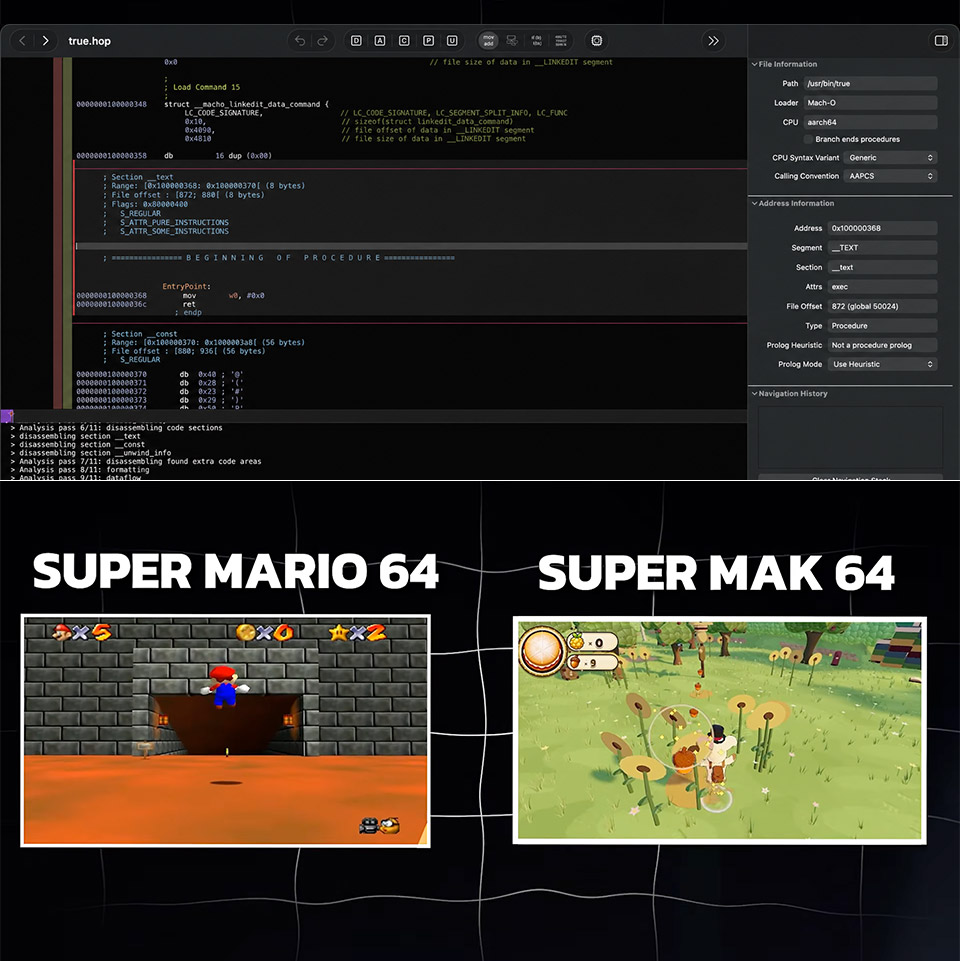
Stefan has watched other people talk about game feel without ever nailing the exact numbers that make a character land and jump the way Super Mario 64 does. He decided the only reliable path was to pull those numbers straight out of the original binary, check them twice, and then force a new game to match every one of them. The tool that made the extraction possible is called REA, short for Reverse Engineer Anything, an open project that lets coding agents inspect software on a local machine and return evidence instead of guesses
REA connects to existing reverse engineering programs and hands back pseudocode, assembly, and concrete values so an agent can work from measured data rather than memory. In reality, the process began with the Super Mario 64 binary. REA was targeted specifically at the routines that control Mario’s acceleration, jump heights, and speed changes while running, sliding, or bouncing off a wall. The data produced separated the movement into numerous components, including single leaps, double jumps, triple jumps, long jumps, side jumps, a wall kick, and running speeds. Stefan proceeded to run the extraction, jotted down the numbers, and then ran it again to ensure that nothing had changed. These confirmed figures became the new game’s holy grail targets, with nothing else from the original title being copied over. No code, graphics, models, audio, or level data crossed over.

- HERE WE GO! – Speed down Rainbow Road with the LEGO Super Mario: Mario Kart – Mario & Standard Kart (72037) collectible building set for adults...
- DYNAMIC DISPLAY STAND – Position Mario at dramatic racing angles to recreate that perfect drift moment or high-speed action from your favorite Mario...
- POSEABLE MARIO FIGURE – The brick-built Mario features movable head and arms, letting you customize his racing pose for the ultimate display
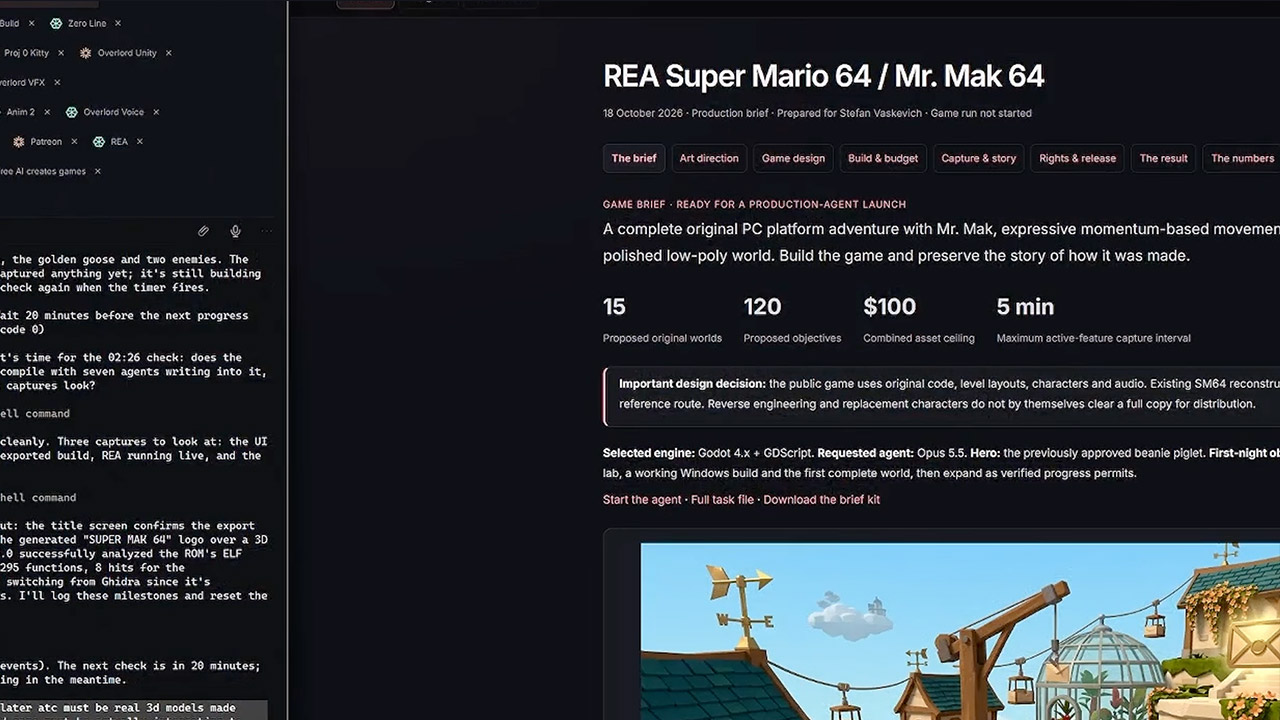
With the numbers in place, Claude Code, running Opus 5.5, was given a to-do list that included every value they required, as well as some basic instructions on how the game should appear, or in other words, the entire N64 atmosphere, a hub world, and a short set of narrative stages. They chose Godot because it is lightweight enough to run numerous instances simultaneously, and its physics system can be adjusted using basic numbers rather than being locked inside the engine’s presets. Multiple agents collaborated, with some creating the 182 3D models seen in the finished game, others writing the movement code that had to hit the exact heights and speeds REA had measured, and still others putting together the entire library hub, three worlds, and rooftop boss encounter. Stefan maintained an eye on the screenshots and logs as things started to come together, feeding in corrections to ensure the jump arcs and run speeds remained consistent with the initial set.
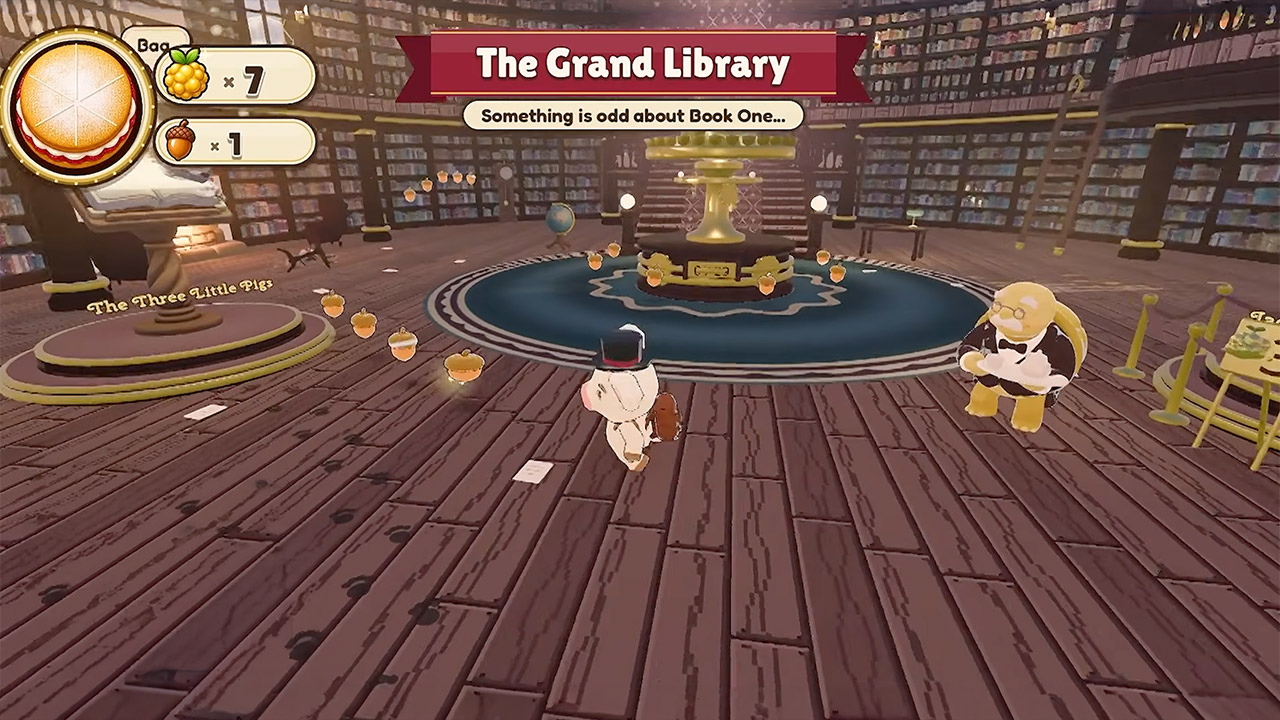
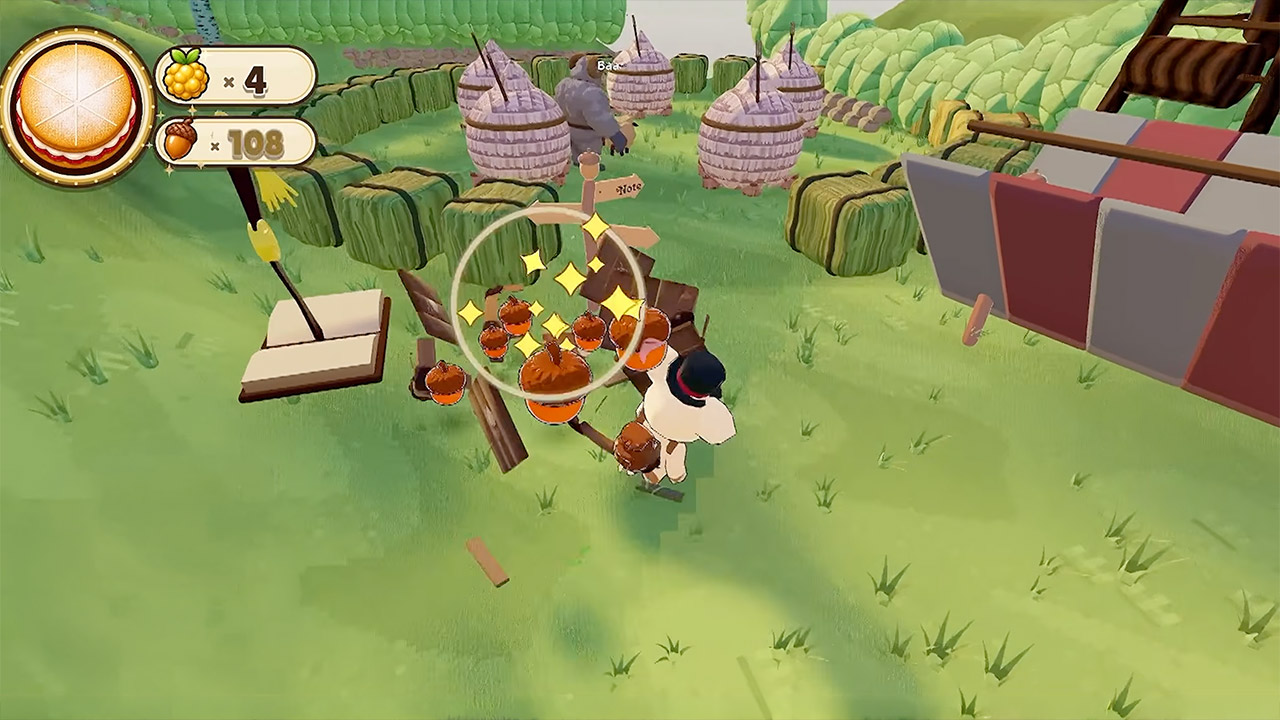
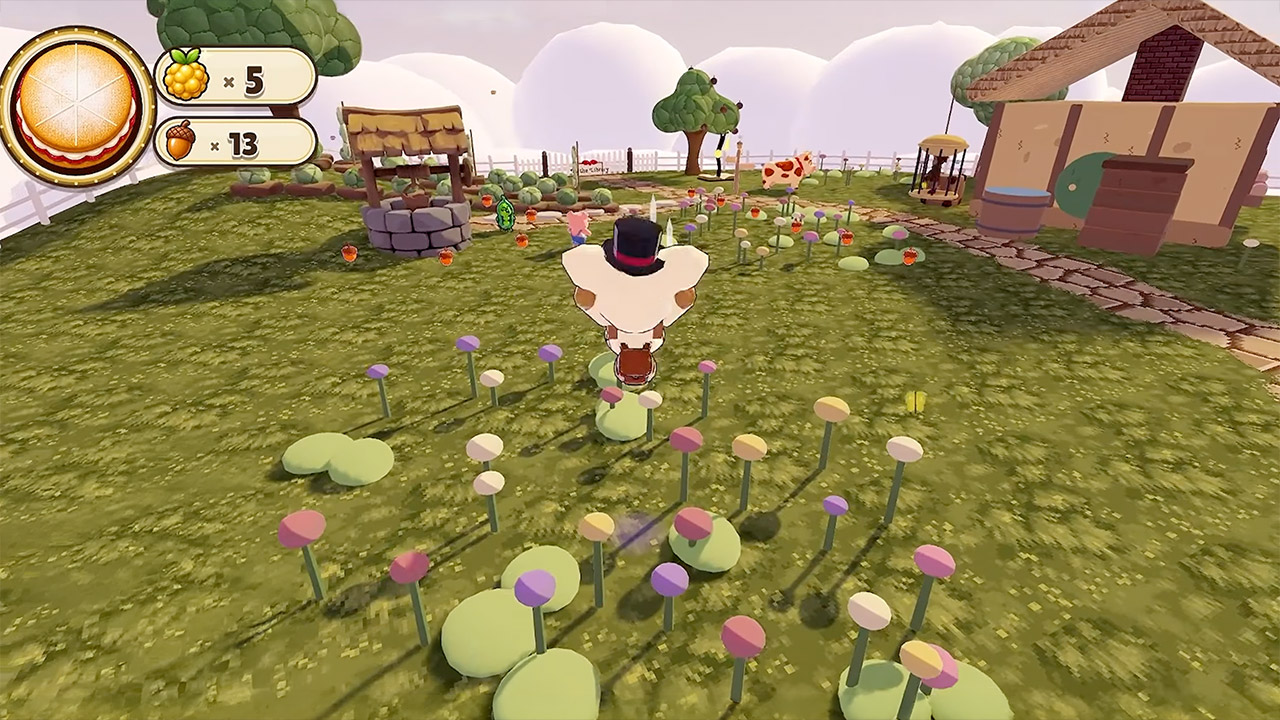
Super Mak 64 begins at a library hub, where the books on the shelves are actually portals to other worlds. Each of those books contains a brief platforming game based on a classic fairytale notion, such as fanciful medieval castles, dark terrifying tunnels, and so on. There are 29 Golden Truffles placed around the levels and the hub, and collecting them will open up new passageways and finally lead you into a three-stage rooftop battle against, you guessed it, the Big Bad Wolf.
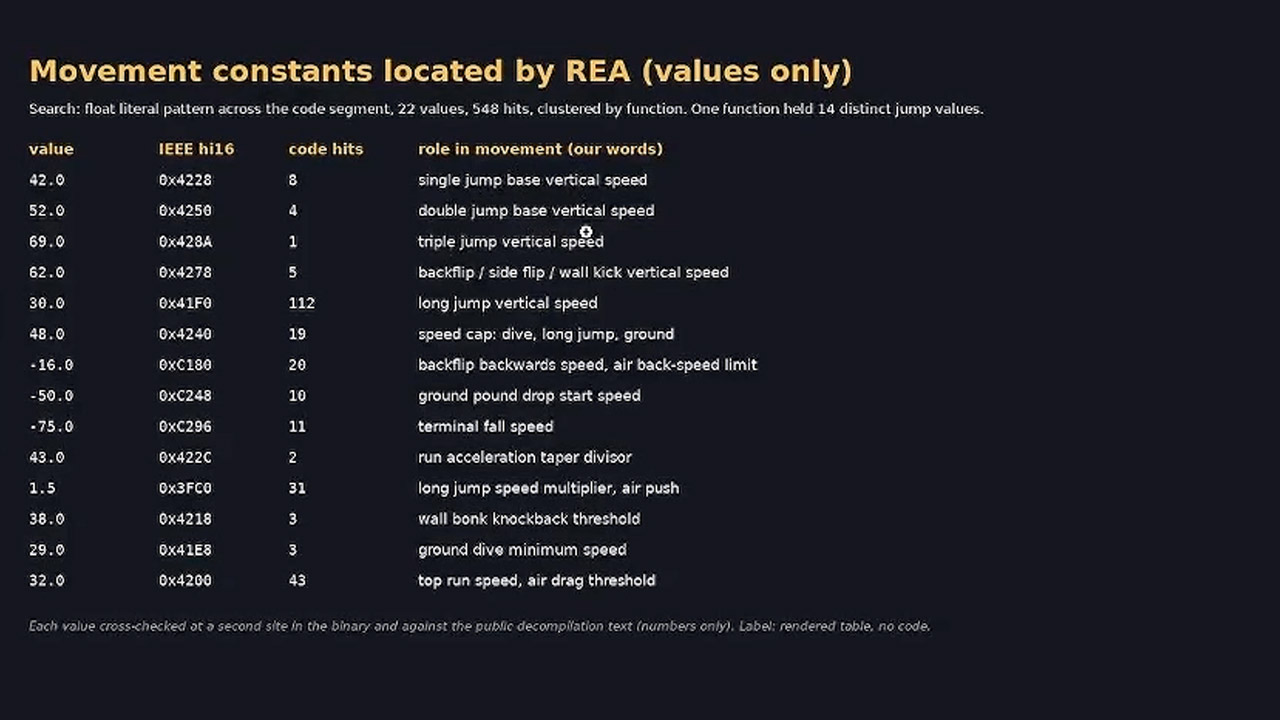
You can move about using the entire range of jumps that Stefan has managed to lift from the original game, as well as slide if you press the attack button while running. You also have a sniff ability that allows you to interact with certain items. The controls work perfectly with either a keyboard or a controller, and this is because the underlying programming was built on another game that had already solved the difficulty of making 3D platforming feel responsive. The complete playable game is only 215 megs and operates as a standalone Windows application.
Meanwhile, there’s a separate 460-megabyte report folder containing all of the background information that went into this project, including a timeline of the two nites it took to build, some time-lapse videos to show how it all came together, the original brief given to Stefan and his team, and even every single generated model. The report then includes a part in which Stefan explains how to use REA (Reynold’s English A). Advanced text to picture model) actually helped him get some far better starting data than he would have gotten from simply crafting a prompt, since, let’s face it, the movement in this thing is pretty much right on.
Stefan believes the concept can be applied to other games, so if you want the feel of vintage controls without having to recreate the good old days of designing an entire game from scratch, this could be the way to go. Of course, the game and the whole report are accessible on Stefan’s Patreon page, so if you want to get down to business with the numbers, assets, and completed levels, that’s where you should go.