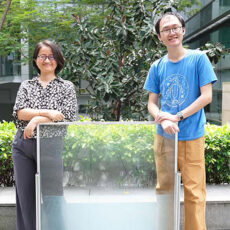
Semi-transparent solar cells, developed by researchers at Korea Institute of Energy Research (KIER), could turn windows into energy harvesting devices. In early testing, these perovskite solar cells achieved a 21.68% efficiency, while over 99% of the initial efficiency was maintained for 240-hours of operation.
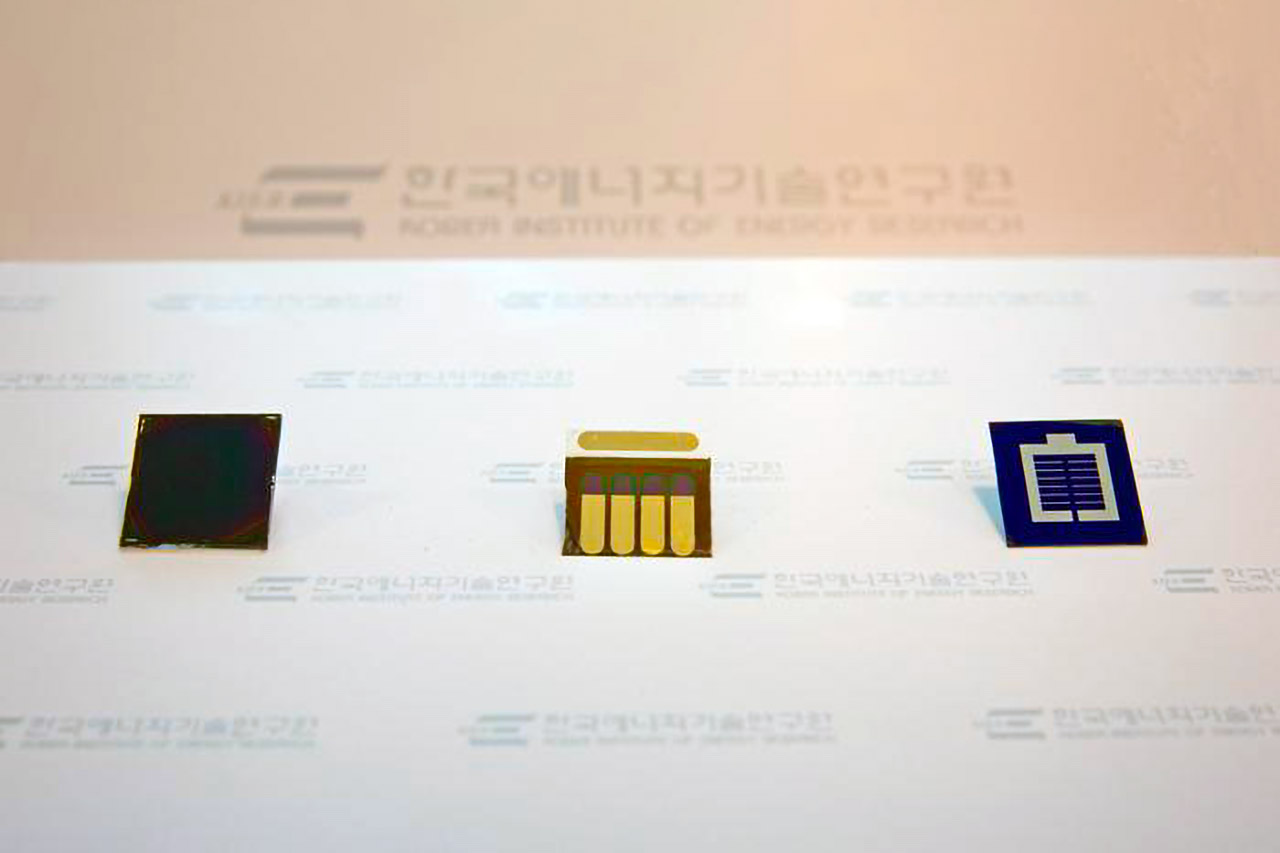
Manufacturing the semi-transparent perovskite solar cells involves replacing the metal electrodes of conventional opaque solar cells with transparent electrodes that allow light to pass through. High-energy particles are generated during the process, resulting in the degradation of the performance of the hole transport layer. Depositing a metal oxide layer that acts as a buffer between the hole transport layer and the transparent electrode layer solves this issue.
No products found.

This study represents a significant advance in the field by examining the degradation process occurring at the interface of organic compound and metal oxide buffer layer which is unique to semi-transparent perovskite solar cells. Our solution is readily implementable, demonstrating great potential for the future use of the technologies we have developed,” said Dr Ahn SeJin, Lead Researcher at the KIER’s Photovoltaics Research Department.
[Source]