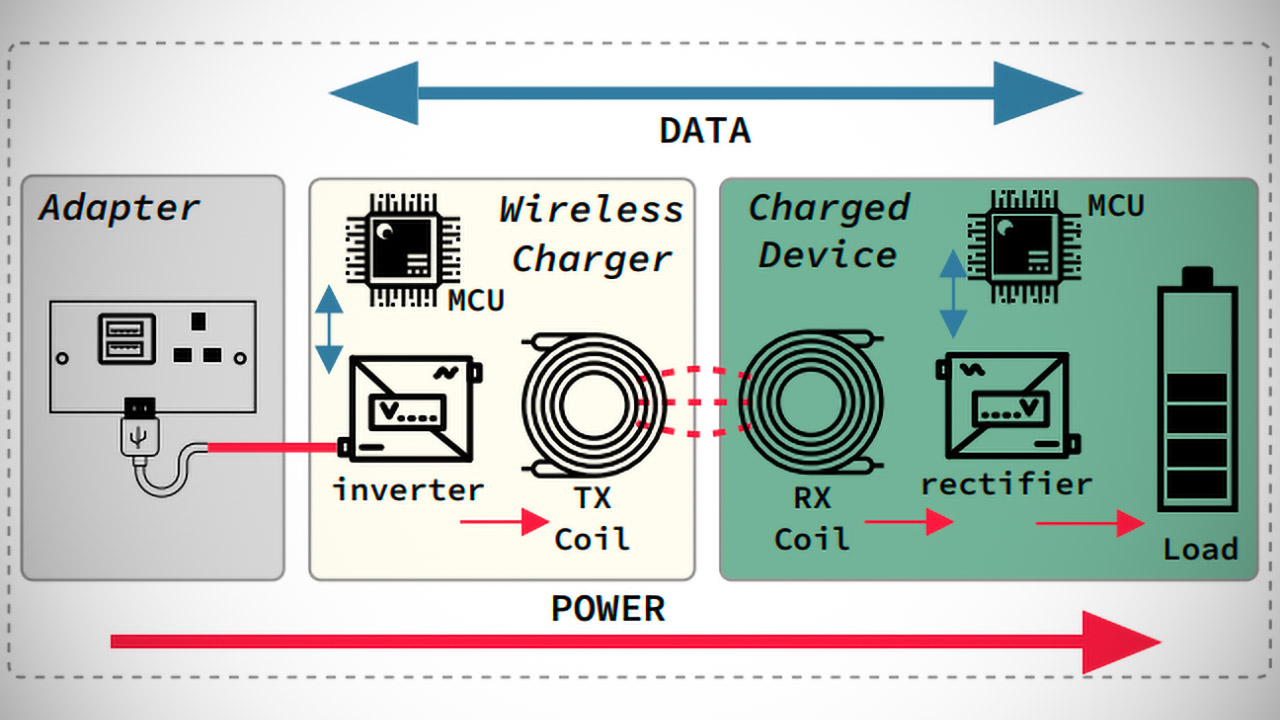
Security researchers from the University of Florida have discovered a new kind of attack, called VoltSchemer, that targets smartphones on Qi wireless chargers. Put simply, the charger can be manipulated to control voice assistants by injecting voice commands, resulting in damaged devices being charged through overcharging or overheating.
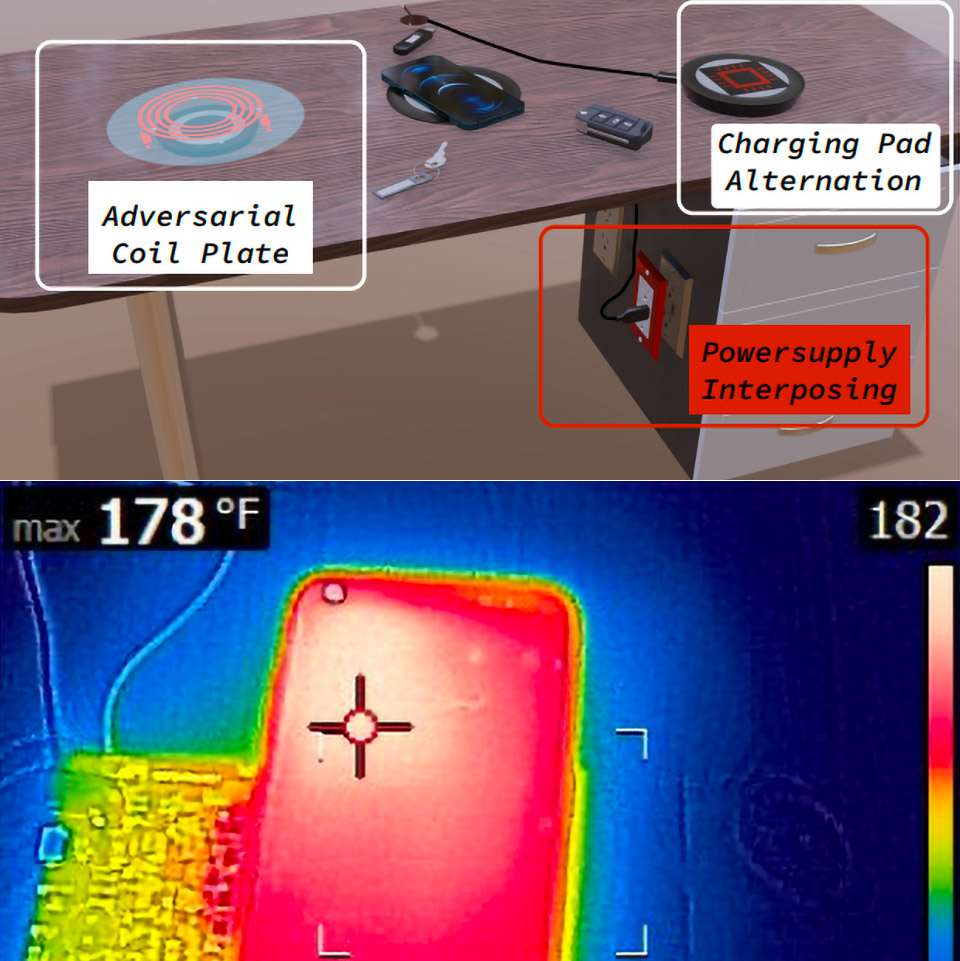
A second type of VoltSchemer attack can bypass Qi-standard specified foreign-object-detection mechanisms to damage valuable items (car key fobs, USB sticks, RFID or NFC chips) exposed to intense magnetic fields. One test involved paper clips holding documents, which the team managed to heat to 536° F (280° C), or hot enough to set the papers on fire. The team tested VoltSchemer on multiple types of wireless chargers as well as smartphones and they were all found to be vulnerable. Fortunately, these companies have been notified before the vulnerabilities are revealed to the public.
- The TCL 40XL works with most major U.S. carriers, including Verizon, AT&T and T-Mobile. This android phone is also compatible with Tracfone, Simple...
- 6.75-inch large screen cell phone - The TCL 40XL cellphone, featuring a 6.75-inch screen with a 20:9 aspect ratio and dual stereo speakers, lets you...
- 256GB of storage for everything important - The smartphone 256GB offers ample storage for your apps, photos, and videos, you won't run out of space...
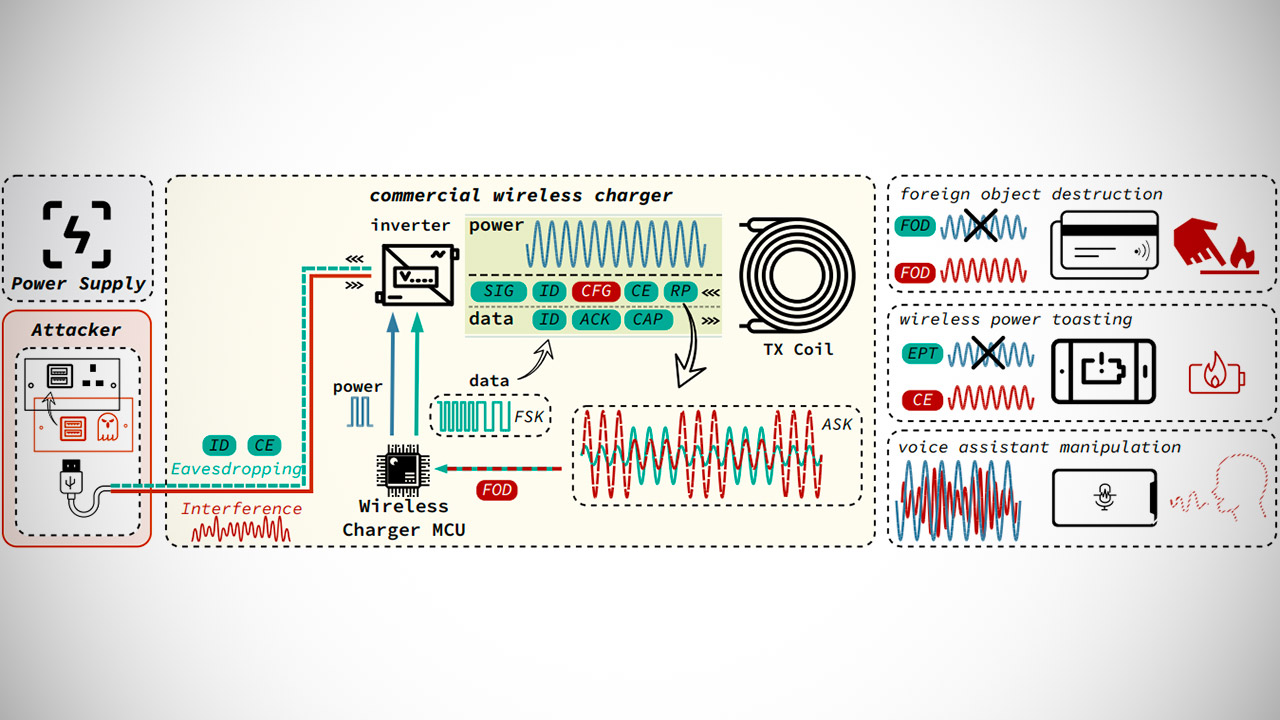
Upon injecting CE packets to increase power, the temperature rapidly rose. Shortly after, the phone tried to halt power transfer by transmitting EPT packets due to overheating, but the voltage interference introduced by our voltage manipulator corrupted these, making the charger unresponsive. Misled by false CE and RP packets, the charger kept transferring power, further raising the temperature,” said the researchers.