Microsoft Mesh, a software platform that will enable users to work and play together virtually by interacting with the same set of holograms on devices at various price points and from different manufacturers, takes augmented reality to the next level. Whether it be HoloLens goggles, Facebook’s Oculus headset, smartphones or computers, users can use Mesh to get a two-dimensional view. Plus, multiple users will be able see the same holograms from different locations, allowing for events such as concerts or company meetings where one user attends in person and others in “holoports” from home.

Qualcomm has just unveiled its first augmented reality (AR) reference design based on the Snapdragon XR1 platform, which is equipped to deliver high-performance, immersive experiences, and lower power consumption. Put simply, it’s an AR smart viewer with versatility to tether to a compatible smartphone, Windows PC, or processing puck, all the while being optimized for devices powered by Qualcomm Snapdragon Platforms. Read more for a video and additional information.

With Apple developing their own augmented reality glasses, it’s no surprise that Samsung also has something in the works. Two videos were released by technology leaker “WakingCat” on Twitter earlier today, the same person who tipped the public off on the Galaxy Chromebook 2, on Glasses Lite. This device appears slightly more bulky than normal sunglasses, but the reason for that is because there is a transparent screen embedded directly into the lenses. Read more to watch a compilation of both videos and additional information.

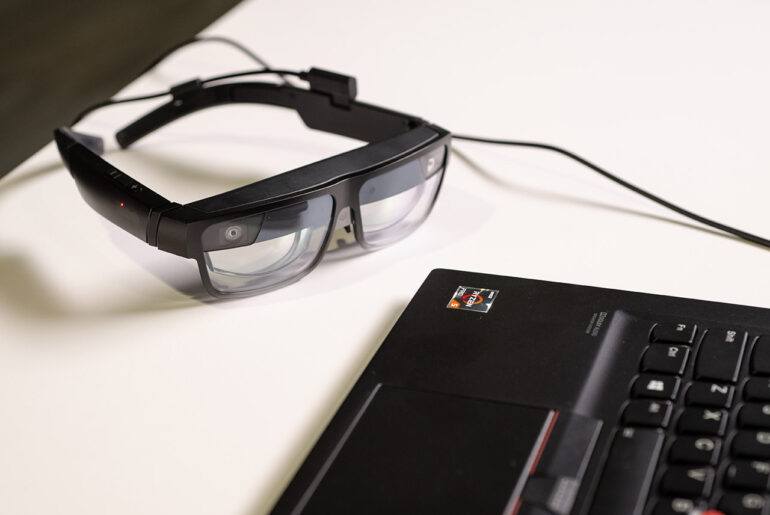
The Lenovo ThinkReality A3 are essentially lightweight smartglasses designed for the workplace. They are designed to create customized virtual monitors, 3D visualization to Augmented Reality (AR) assisted workflows and immersive training. Users can either tether them to a PC or Motorola smartphones via a USB-C cable, and they fit like sunglasses, complete with industrial frame options for safer and more durable use.

H/T: The Information /Photo credit: Martin Hajek | iDropNews
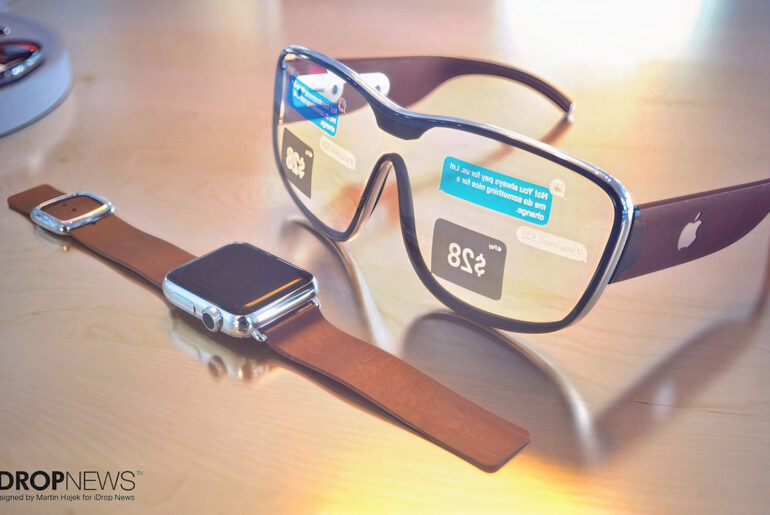
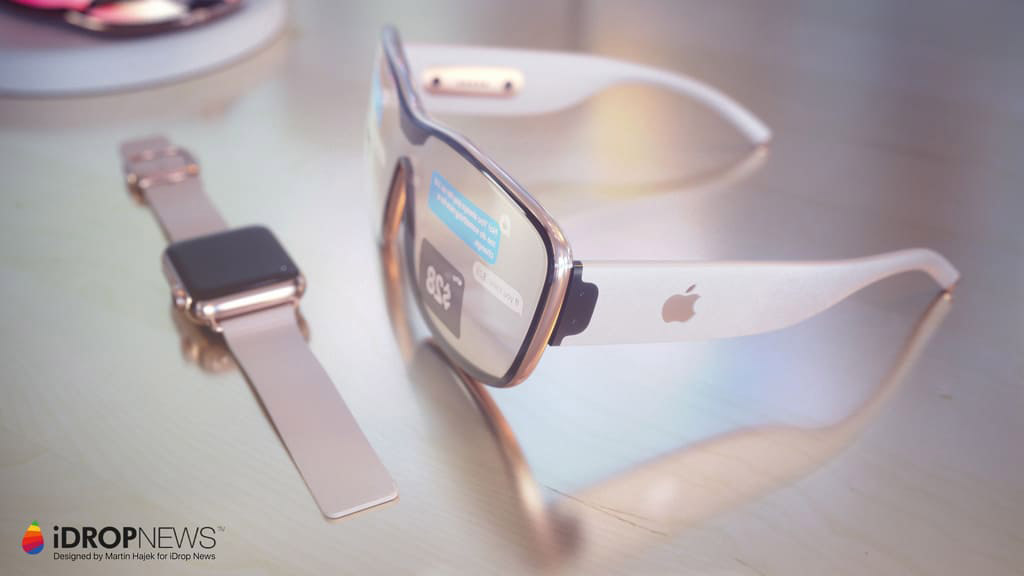
Apple’s long rumored AR glasses could be released sooner than expected, and possibly even late this year. Its currently in the second phase of development with over 1,000 engineers and researchers working on the project. Allegedly, the lenses use a polarized system, similar technology found in 3D movie glasses. This system creates the illusion of depth using stereoscopic images, similar to other AR and VR devices currently on the market from Microsoft, Magic Leap and Oculus.

Google is continually adding new functionality to their Search service, including augmented reality objects, whether it be animals or Baby Yoda. The later comes out just in time for The Mandalorian’s Season 2 finale, and lets you place the character just about anywhere in your home. To try it out yourself, simply open the browser on an iOS or Android device, search for “The Child” or “Baby Yoda”, scroll down until you see the character card, and then click “View in 3D”.

Google just added 50 new AR animals for you to interact with on Search. Some of them include a bulldog, cane corso, coyote, dachshund, donkey, milk cow, hamster, giraffe, welsh corgi, red panda, pitbull, zebra, ox, doberman, kitten, and lots more. How does this work? Simply search for these animals on a mobile browser or through the official Google app, and just scroll down until you see “View in 3D” to start the adventure. Read more for a video and additional information.

Photo credit: Martin Hajek
Apple’s augmented reality smartglasses are reported to launch either late next year or in early 2022, and just this week, display expert Ross Young claimed that they’ll be using Sony microOLED (1280×960 resolution) displays. Each of these 0.5-inch displays have a 100,000:1 contrast ratio, a response speed of 0.01ms or less, and a wide color gamut. As for other features, we’ll have to wait until new Apple leaks surface. Read more for a video and additional information.

Whether if you have the new LiDAR-equipped iPhone 12 Pro or any other smartphone, ClipDrop is the first app that makes augmented reality practical. How so? It basically enables you to cut-and-paste real objects onto your computer’s desktop. Simply open the app, take a picture of something, and then hover it over a computer screen to use in your applications. Other uses include taking text from a book, as the app automatically removes the background.

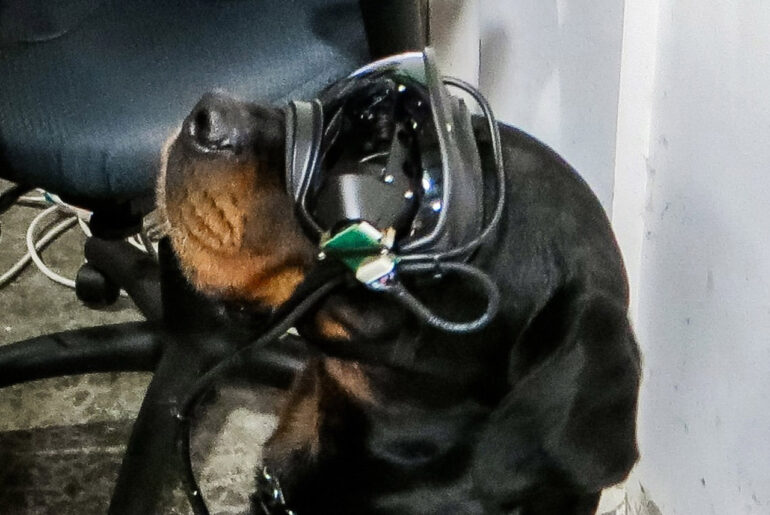
In the military, working dogs are mainly used to scout areas for explosives devices and hazardous materials when assisting in rescue operations. The one caveat is having to giving these dogs the necessary commands to perform these missions, as this can put a soldier in harm’s way. Command Sight, Inc. wants to change that using augmented goggles that allow a dog’s handler to give it specific directional commands while keeping the soldier remote and out of sight.