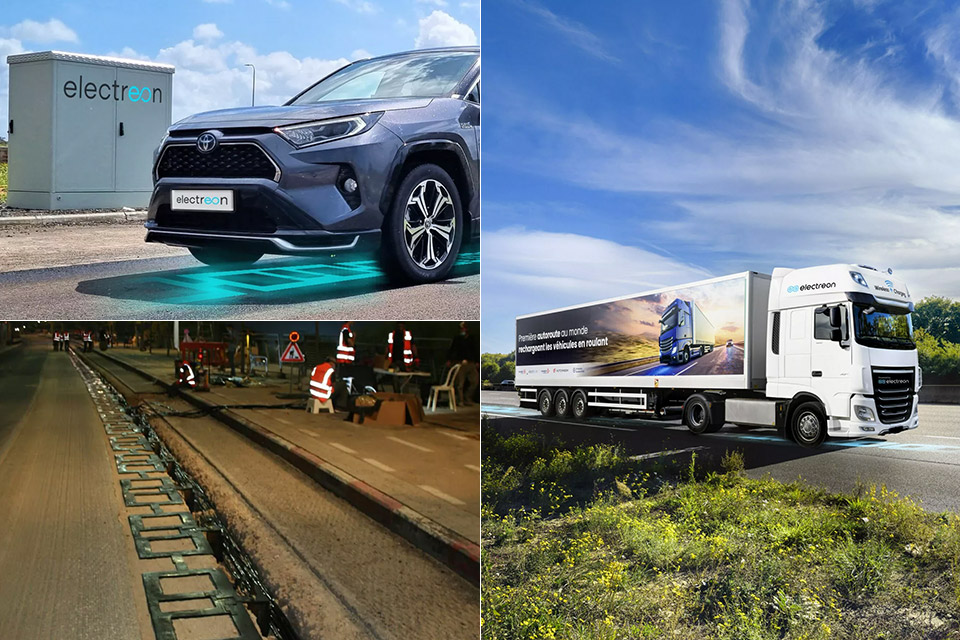
France has just launched a simple yet genius idea: a stretch of highway that fuels electric vehicles as you drive. No plugs, no stops, just a seamless flow of energy from the road to your wheels. Coils in the asphalt beam power to receivers installed under compatible vehicles, trucks and buses. So you never have to stop.
Engineers from VINCI Autoroutes, which runs most of France’s toll roads, worked with Israeli firm Electreon to install the system on 1.5km of the A10 motorway just outside Paris. Four test vehicles took to the road for the first time: a large semi-truck, a delivery van, a standard passenger car and a city bus. All of them drew power effortlessly at motorway speeds, reaching 100km/h in some cases. Independent tests by Gustave Eiffel University showed an average power output of over 200kW, with bursts of over 300kW. To put that into perspective, that’s enough to move a loaded truck twice as far as it would on a single battery charge, all without the traffic jam.

- Smaller Than Ever: Anker's new MiniCell technology delivers identical charging performance with fewer components. This means it's smaller and lighter...
- Pocket-Sized Power: At just 4.13 × 2.62 × 0.45" and 4.41 oz, it snaps to your phone and fits effortlessly into your bag, purse, or pocket
- Strong Attachment: Equipped with ultra-strong magnets that firmly attach to the back of the iPhone 15 or 14 so you can single-handedly take selfies...
Power levels like that put this system on a par with the fastest public chargers, the ones that can charge a battery in under 30 minutes during a pit stop. But in this case, the fill-up happens in the middle of the journey, as planned. Haulers that spend the bulk of their time waiting in depots will be the big winners here. You can imagine a long-haul vehicle driving from sunrise to sunset without ever running low on juice, which cuts down on the number of essential stops that eat into your delivery schedule. With smaller batteries becoming more practical, why bother lugging around 400kWh worth of cells when the road itself can do most of the heavy lifting? On top of that, you save weight, which reduces the stress on your tires and brakes.
Safety was top of mind – and to make sure that was the case, university types put the coils through their paces, simulating a year’s worth of wear in just a few weeks. They cranked up the electromagnetic fields to see how they’d hold up, and the results were a big relief: well inside the safety limits for human exposure, and the system withstood a blast of rain, heat and heavy traffic without skipping a beat. So no sparks, no interference with surrounding gadgets – just quiet efficiency humming away underneath the surface. The boss at VINCI, Nicolas Notebaert, was pretty impressed with the early results, and reckons this is the way to go to clean up France’s freight industry, which is responsible for a whopping 16% of the country’s carbon emissions. By 2035 the government wants to get 9,000km of roads covered, roughly the distance from Paris to New York and back, using the same tech – turning highways into rolling power stations.
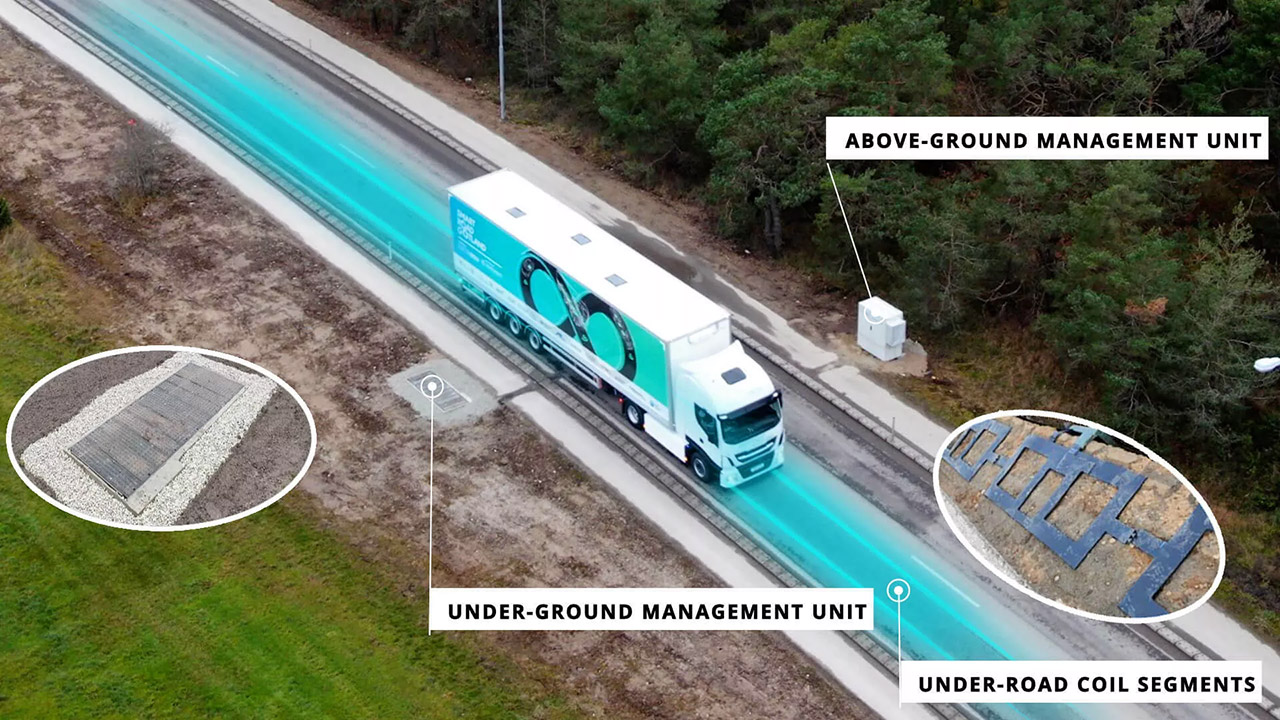
This isn’t going to happen overnight, obviously. Upgrading existing roads takes planning, and you can’t just pop in some coils without tearing up the lanes for months. Upfront costs are through the roof – embedding the tech on even a small network will set you back hundreds of millions of dollars – but proponents reckon the payback is quick, thanks to changes in tolls and fuel taxes. Car manufacturers will need to step up and add receivers to the assembly line, or provide retrofit kits for the old fleets. But the momentum is building – as battery prices come down and solar farms start springing up all over the countryside, the highways will start to connect everythin together. You’ll be able to drive down that road and know you’re right on the cusp of a big change, where distance just becomes a non-issue. Trucks will conquer long hauls, buses will run day and night, and regular drivers will be able to breathe a sigh of relief about range anxiety.
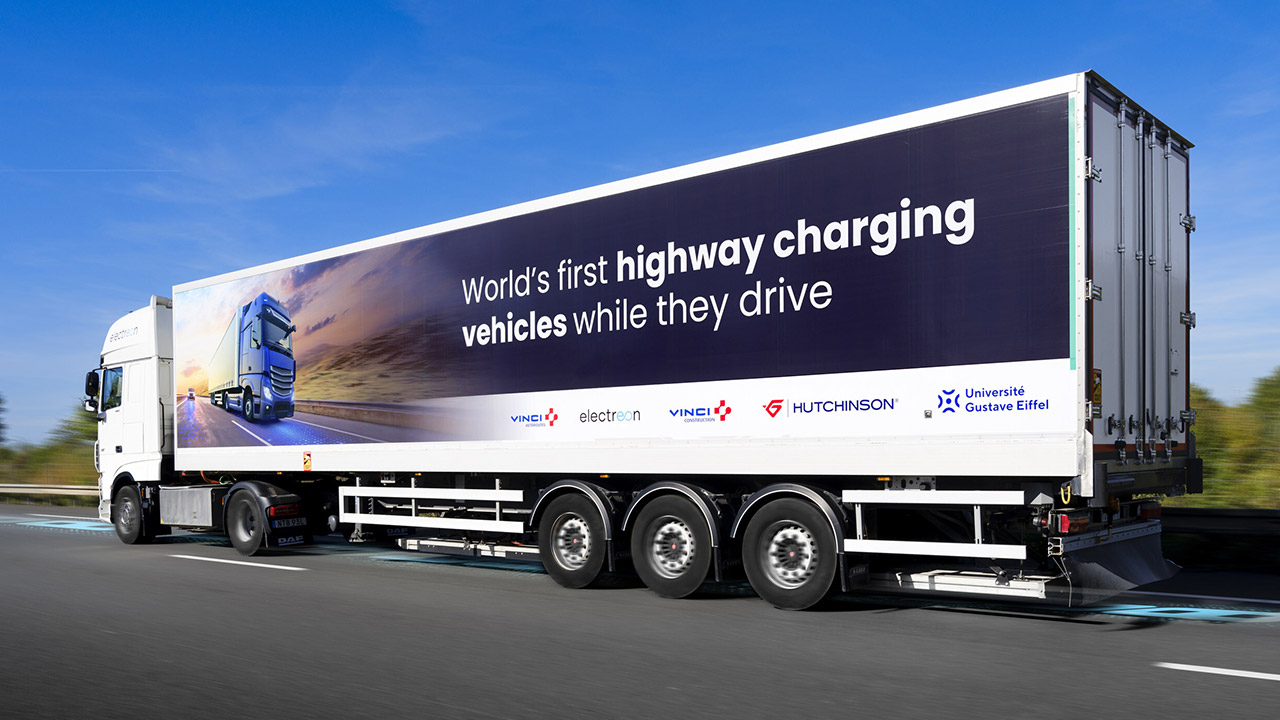
France’s A10 pilot will be shut off to the general public soon but the real test will begin in the years to come – will transporters start switching from diesel to wired vehicles in droves? Can cities integrate this into their urban traffic without breaking the bank? So far, the signs look good, as the big freight companies already start circling for pilot contracts. Drive down that road today and you’re not just driving on a road – you’re sitting at the edge of a revolution that makes distance irrelevant.
[Source]